Neuromuscular therapy is an evidence-based manual technique designed to deactivate muscle knots, release myofascial adhesions, and alleviate chronic pain. This specialized bodywork targets myofascial trigger points—hyperirritable taut bands within skeletal muscle that restrict mobility and generate characteristic referred pain patterns throughout the body.
What Are Muscle Knots and Myofascial Tension Spots?
Muscle knots, scientifically classified as myofascial trigger points, are hyperirritable nodules located within taut bands of skeletal muscle fibers. These contractures develop when muscle fibers remain stuck in a shortened state due to repetitive physical strain, sustained postural stress, or localized circulatory insufficiency.
When mechanical pressure is applied to these nodules, they stimulate local nociceptors and produce characteristic referred pain patterns that radiate to distant anatomical regions. This referred discomfort occurs because hyperirritable trigger points alter normal sensory processing pathways within the central nervous system.
Fascia—the tough connective tissue sheath surrounding muscles and organs—plays a critical role in nodule formation. When fascia becomes inflamed or restricted, it binds adjacent muscle fibers, reduces tissue glide, and creates ideal mechanical conditions for persistent tension spots to develop.

Common Symptoms along with Causes of Muscle Tension
Myofascial tension spots manifest through distinct mechanical restrictions, neurological pain patterns, and muscular fatigue. The primary symptom involves deep, continuous aching that radiates from the focal spasm into adjacent muscle groups and joints.
Common signs of myofascial pain include:
- Persistent muscle stiffness that restricts joint range of motion and tissue flexibility
- Sharp, focal pain during specific eccentric or concentric movements
- Localized muscular weakness and reduced motor control in affected areas
- Tension headaches originating from cervical and suboccipital tightness, often requiring specific massage for tech neck protocols
- Sleep disruption and chronic fatigue caused by nocturnal aching
Understanding Active vs. Latent Nodules
Active nodules cause spontaneous pain and marked tenderness without any external compression. These irritable foci create continuous discomfort, alter healthy movement patterns, and refer pain to remote anatomical areas, making them the primary objective of clinical therapy.
Latent nodules remain clinically silent until direct manual compression is applied. Although latent spots do not trigger spontaneous pain, they cause structural muscle shortening, localized stiffness, and restricted flexibility. Both nodule types require clinical manual therapy to restore balanced muscle mechanics and prevent chronic compensation.
Why Do Muscle Knots Become Painful?
Muscle knots become painful because prolonged muscle fiber contraction compresses local capillary networks, severely restricting microvascular perfusion. When shortened sarcomeres restrict blood circulation, the affected tissue enters a localized metabolic crisis characterized by hypoxia and nutrient deprivation.
This ischemic state causes metabolic waste products—including lactic acid, substance P, and inflammatory bradykinins—to accumulate within the muscle tissue. These biochemical substances irritate sensory nerve endings, creating the sustained, deep aching sensation typical of chronic muscular tightness.
How for Identifying a Spasm Through Palpation
Licensed massage therapists identify muscle spasms and trigger points through systematic manual palpation using flat-finger and pincer compression techniques. Practitioners apply calibrated pressure across suspected muscle groups while evaluating tissue density and client feedback.
Key clinical identification markers include:
- A distinct, palpable taut band within the muscle that feels like a tense cord
- Focal point tenderness upon sustained direct compression
- Reproducible referred pain patterns matching the client’s familiar pain complaints
- A local twitch response (LTR) visible or felt as a transient contraction when the nodule is stimulated transversely
Effective Methods of Neuromuscular Therapy
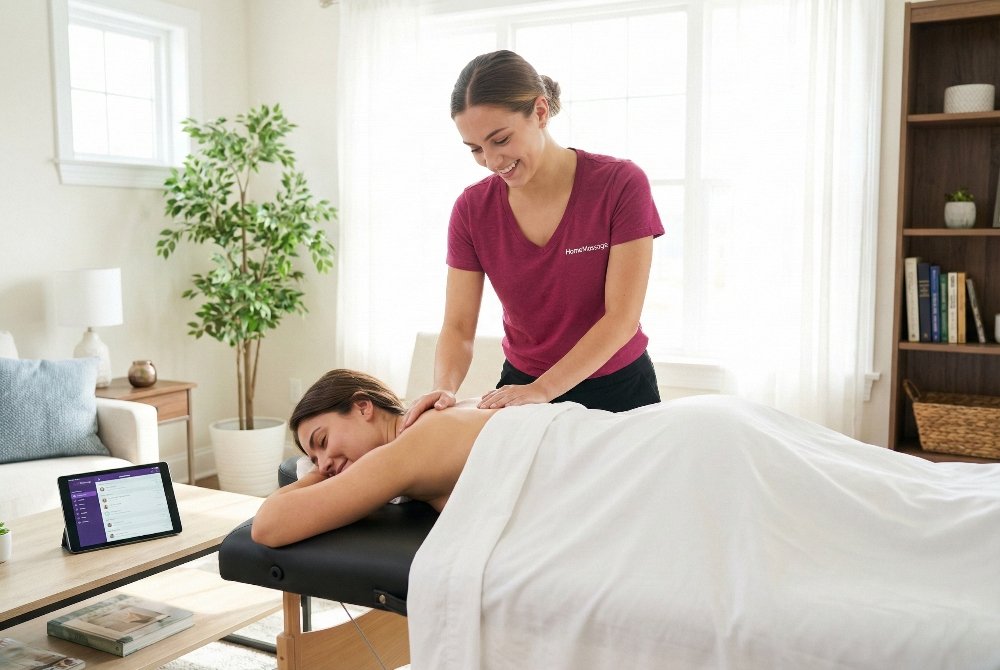
Professional neuromuscular therapy utilizes evidence-based manual modalities to deactivate trigger points, normalize hypertonic tissue, and restore optimal musculoskeletal function. Each technique targets specific physiological mechanisms to achieve long-term pain relief.
Deep Tissue Massage Service for Sustained Pressure
Scheduling a professional deep tissue massage nyc appointment delivers targeted, sustained compression directly onto deep-seated myofascial adhesions. This clinical modality utilizes precise elbow, forearm, and thumb contact to access underlying postural muscle layers.
The deep tissue protocol applies gradually increasing static force on the knot for 30 to 90 seconds. Sustained mechanical compression disrupts the continuous contraction cycle and triggers reactive hyperemia, flooding the ischemic tissue with fresh oxygenated blood upon release. Research by Majchrzycki et al. (2014) in The Scientific World Journal demonstrated that deep tissue massage significantly reduces chronic low back pain and improves functional performance, matching the efficacy of conventional anti-inflammatory medications.
Clients often ask, does deep tissue massage hurt? Professional therapists calibrate pressure between levels 4 and 5 on a standard 1-to-5 pressure scale, ensuring therapeutic depth remains within your comfortable tolerance without causing tissue damage.
Sports Massage Service for Athletic Recovery
Sports massage service integrates neuromuscular therapy protocols to accelerate athletic recovery, enhance joint range of motion, and prevent overuse injuries. Athletes frequently develop stubborn adhesions from repetitive biomechanical stress and intense training loads.
The sports massage approach combines ischemic compression with passive stretching and proprioceptive neuromuscular facilitation (PNF) to restore muscle compliance. A meta-analysis by Guo et al. (2017) in Frontiers in Physiology confirmed that massage after strenuous exercise significantly reduces delayed-onset muscle soreness (DOMS), while research by Crane et al. (2012) in Science Translational Medicine showed that 10 minutes of targeted massage reduces cellular inflammatory signaling in skeletal muscle.
Sports massage sessions also include post-treatment guidance to maintain flexibility and support structural balance across competitive training phases.
Manual Pressure Release Techniques
Manual pressure release encompasses hands-on clinical techniques applied to deactivate hyperirritable trigger points and restore resting sarcomere length.
Common manual release modalities include:
- Ischemic compression: Sustained static pressure held on the nodule for 30 to 90 seconds until tissue softening is felt
- Positional release therapy: Passive positioning of the joint to shorten the affected muscle, reducing neuromuscular hyperactivity
- Deep transverse friction: Precise cross-fiber friction that breaks down restrictive collagen cross-links and mobilizes adherent fascia

How for Performing Self-Massage at Home
Targeted self massage techniques offer effective tools for managing daily muscular tightness and maintaining tissue flexibility between professional therapy visits. These home-care methods require deliberate, controlled pressure to prevent tissue bruising.
Identify the Tender Spot
Accurate knot localization forms the initial step of safe self-treatment. Use your fingertips, a foam roller, or a massage ball to systematically explore the muscle group, applying light pressure to locate tight bands.
Begin with broad exploratory strokes over the muscle belly before narrowing your focus onto localized nodules that feel denser than surrounding fibers. Verify the spot by noting whether gentle direct compression reproduces your familiar radiating discomfort.
Note the precise location of identified trigger points to monitor your progress and ensure consistent targeting during subsequent self-care sessions.
Apply Pressure and Breathe
Controlled pressure combined with deep diaphragmatic breathing encourages neurological muscle release. Position a massage ball or your fingers directly against the knot, gradually applying manageable static force.
Maintain steady compression for 30 to 60 seconds while focusing on slow, rhythmic breathing. Diaphragmatic breathing activates parasympathetic nervous system activity, lowering muscle tone and promoting localized oxygenation.
If you experience sharp pain, numbness, or tingling sensations, reduce pressure immediately. Effective self-massage should produce a tolerable therapeutic ache that gradually dissipates as the muscle fibers soften.
Stretch and Hydrate After Release
Post-treatment stretching elongates newly released muscle fibers and helps prevent tension spots from recurring. Perform gentle, static stretches for the treated muscle group, holding each stretch for 30 to 45 seconds without bouncing.
Hydration supports recovery by facilitating cellular nutrient exchange and cellular waste removal. Drink approximately 500 ml (17 fl oz) of water after self-massage to keep soft tissues resilient.
Applying moist heat for 15 to 20 minutes following self-care promotes continued vascular circulation and consolidates muscular relaxation.
Benefits of Professional Therapy with HomeMassage
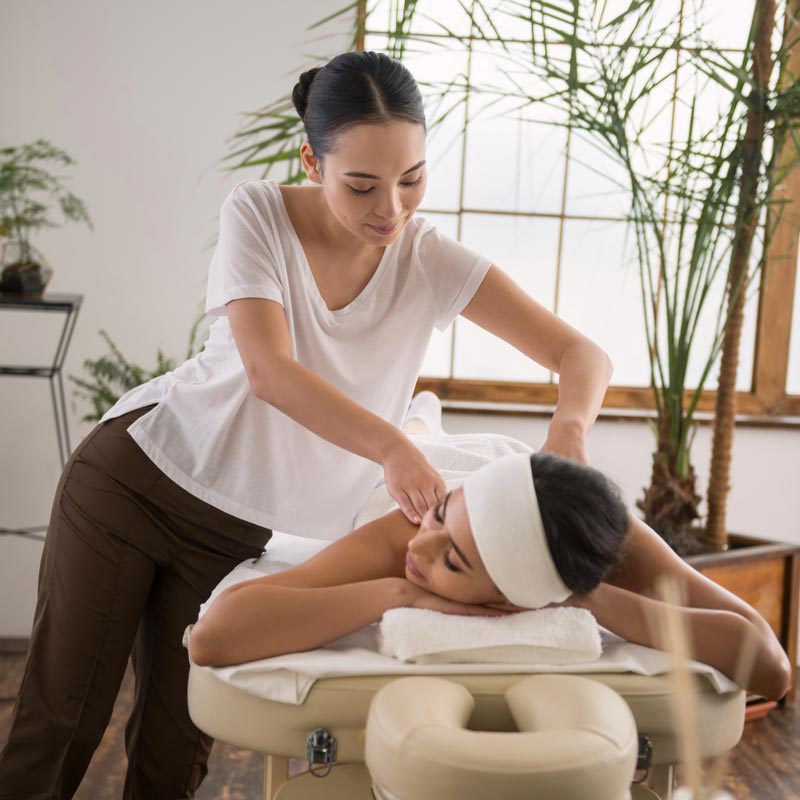
Professional therapy with HomeMassage delivers clinical neuromuscular bodywork directly to your residence, hotel, or office across New York City. Every session is administered by a Licensed Massage Therapist (LMT) credentialed by the New York State Education Department (NYSED), ensuring clinical rigor without the hassle of travel.
Improved Circulation and Reduced Tension
Targeted neuromuscular therapy rapidly enhances localized vascular perfusion by releasing chronic muscular constriction. Decompressing tight muscle fibers restores capillary blood flow, supplying fresh oxygen and essential micronutrients to recovering tissues. Enhanced circulation accelerates the clearance of inflammatory byproducts, relieving persistent soreness and promoting restorative sleep.
Increased Mobility and Flexibility
Deactivating myofascial adhesions directly improves articular mobility by restoring optimal muscle resting length. When hypertonic bands release, joints regain unrestricted biomechanical articulation. Restoring normal pelvic and lumbar tissue glide is especially vital for comprehensive massage for lower back pain relief and long-term functional posture.
Pain Relief from Tension Headaches
Neuromuscular therapy eliminates tension headaches by deactivating active trigger points in cervical, suboccipital, and shoulder muscles. Myofascial knots in the upper trapezius and sternocleidomastoid often refer throbbing pain across the temples and forehead. By releasing these specific tension sites directly, manual therapy resolves the primary mechanical root of headache discomfort.
When for Seeking Professional Home Massage Service in New York City
You should seek professional in-home massage therapy when persistent muscular tightness fails to resolve after 2 to 3 weeks of home self-care. Booking a qualified private massage therapist NYC ensures thorough clinical assessment and customized treatment protocols.
Additional indicators for professional therapy include:
- Knots that worsen or fail to respond to home self-care techniques
- Radiating pain patterns that interfere with sleep quality, daily mobility, or work focus
- Localized muscular weakness or structural movement compensation around affected joints
- Tension patterns originating after sports exertion, repetitive strain, or physical trauma
HomeMassage operates as a 100% mobile service across all 5 boroughs of New York City: Manhattan, Brooklyn, Queens, The Bronx, and Staten Island. While our central dispatch office and therapist training center is located at 106 W 32nd St, New York, NY 10001 (Midtown Manhattan, near Herald Square and Penn Station), our therapists bring all necessary equipment directly to your door.
What for Expecting During a HomeMassage Session
A HomeMassage session follows a structured 5-Step Care protocol engineered to maximize clinical outcomes and client comfort in your private setting.
Your session follows these 5 steps:
- 1. Health Intake: Comprehensive consultation and digital health intake reviewing your symptoms, medical history, and target areas
- 2. Therapist Matching: Careful pairing with an NYSED-licensed therapist based on your therapeutic goals and pressure preferences
- 3. Professional Setup: Punctual arrival and complete equipment setup in 10 to 15 minutes, using a sanitized portable table (76 cm x 185 cm / 30 in x 73 in), fresh linens washed at 60°C (140°F), and nut-free unscented massage oil, with setup time never deducted from your massage duration
- 4. Hands-On Therapy: Full-duration neuromuscular and deep tissue treatment tailored to your tolerance on a 1-to-5 pressure scale
- 5. Post-Care Guidance: Personalized self-care recommendations, stretching protocols, and complete workspace sanitation in 10 to 15 minutes

Why Choose HomeMassage for Relief?
Choose HomeMassage for punctual, clinical-grade pain relief delivered directly to your home, apartment, hotel, or office. Every appointment is conducted by an NYSED-licensed therapist carrying at least $2,000,000 in professional liability insurance. We serve all 5 boroughs of New York City 7 days a week, from 07:00 to 21:00. Call +1 (917) 426-9100 or schedule your personalized session online at HomeMassage.
How often should trigger point therapy be performed?
Trigger point therapy should typically be performed 1 to 2 times per week during the initial acute relief phase. As tissue compliance improves and localized soreness subsides, biweekly or monthly maintenance treatments effectively prevent knots from recurring.
Can trigger point therapy help with chronic pain conditions?
Yes, trigger point therapy effectively alleviates chronic pain conditions, including myofascial pain syndrome, tension headaches, and chronic lower back strain. By interrupting sustained muscle contractions and breaking ischemic cycles, manual decompression restores local blood flow and reduces central nervous system sensitization.
Are there any side effects from trigger point therapy?
Side effects are mild and temporary, most commonly presenting as mild muscle soreness lasting 24 to 48 hours after deep tissue release. Staying hydrated with approximately 500 ml (17 fl oz) of water and applying gentle warmth minimize post-treatment tenderness.
How long do the benefits of trigger point therapy last?
The therapeutic benefits of trigger point therapy typically last 1 to 4 weeks, depending on your physical activity levels, ergonomic posture, and stress management habits. Regular maintenance treatments combined with daily stretching extend pain relief and prevent chronic tension relapse.
What should I do after a trigger point therapy session?
After a trigger point therapy session, you should hydrate thoroughly, perform gentle mobility exercises, and avoid strenuous workouts for 24 to 48 hours. Applying mild heat therapy for 15 to 20 minutes supports ongoing muscular relaxation and promotes recovery.