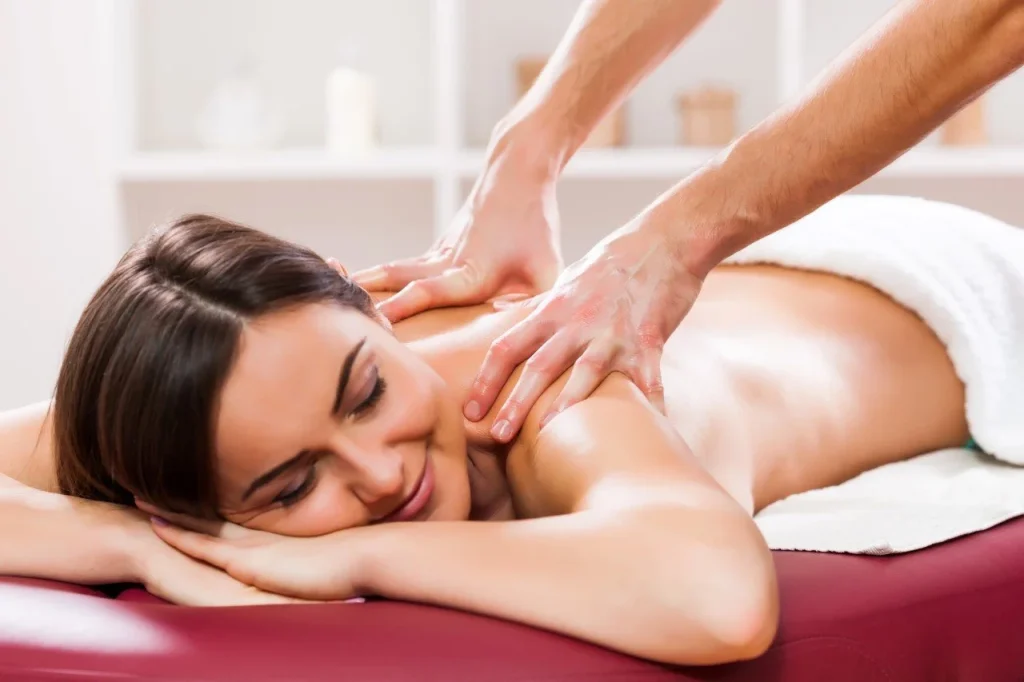
Modern professionals, students, and remote workers spend between 6 and 8 hours each day focused on computer monitors, tablets, and smartphones. This continuous forward head position leads directly to a musculoskeletal condition commonly known as tech neck. The resulting postural strain affects millions of individuals across the United States, with 73% of university students and 65% of remote office workers reporting frequent cervical discomfort alongside upper back tension.
Tech neck develops when the head shifts forward from its natural vertical alignment to view electronic displays. A 15-degree forward tilt increases the gravitational load on cervical muscles to 27 pounds (12.2 kg), while a 60-degree tilt exerts more than 60 pounds (27.2 kg) of force. This sustained mechanical load strains the cervical vertebrae, compresses adjacent nerves, and overworks stabilizing shoulder musculature.
What Is Tech Neck? How Does It Affect You?
Tech neck is a repetitive strain injury affecting the cervical spine, shoulders, and upper back caused by prolonged downward and forward head angles while operating digital devices. While an adult head weighs between 10 and 12 pounds (4.5 to 5.4 kg) in a neutral alignment, forward head displacement forces the suboccipital, upper trapezius, and levator scapulae muscles to contract continuously. This chronic contraction reduces local capillary circulation, accelerates myofascial fatigue, and establishes persistent pain patterns.
Understanding the Causes of Digital Eye Strain with Neck Pain
Digital eye strain and cervical muscle pain stem from screen positions placed below eye level and excessive viewing distances. Downward visual angles force the cervical spine into flexion, while small typography encourages computer users to lean their upper bodies forward. Suboptimal workstation ergonomics and unsupportive seating consistently compound these postural faults.
Prolonged screen interaction reduces spontaneous blink frequency by 30% to 50%, drying the ocular surface and prompting involuntary squinting. Squinting tightens facial, scalp, and cranial muscles, which transmit mechanical tension through continuous fascial sheets into the posterior neck. Excessive blue light exposure further strains ocular focusing mechanisms, disrupting circadian rhythms and elevating systemic stress markers that intensify muscular rigidity.
Common Symptoms: From Stiffness to Tension Headaches
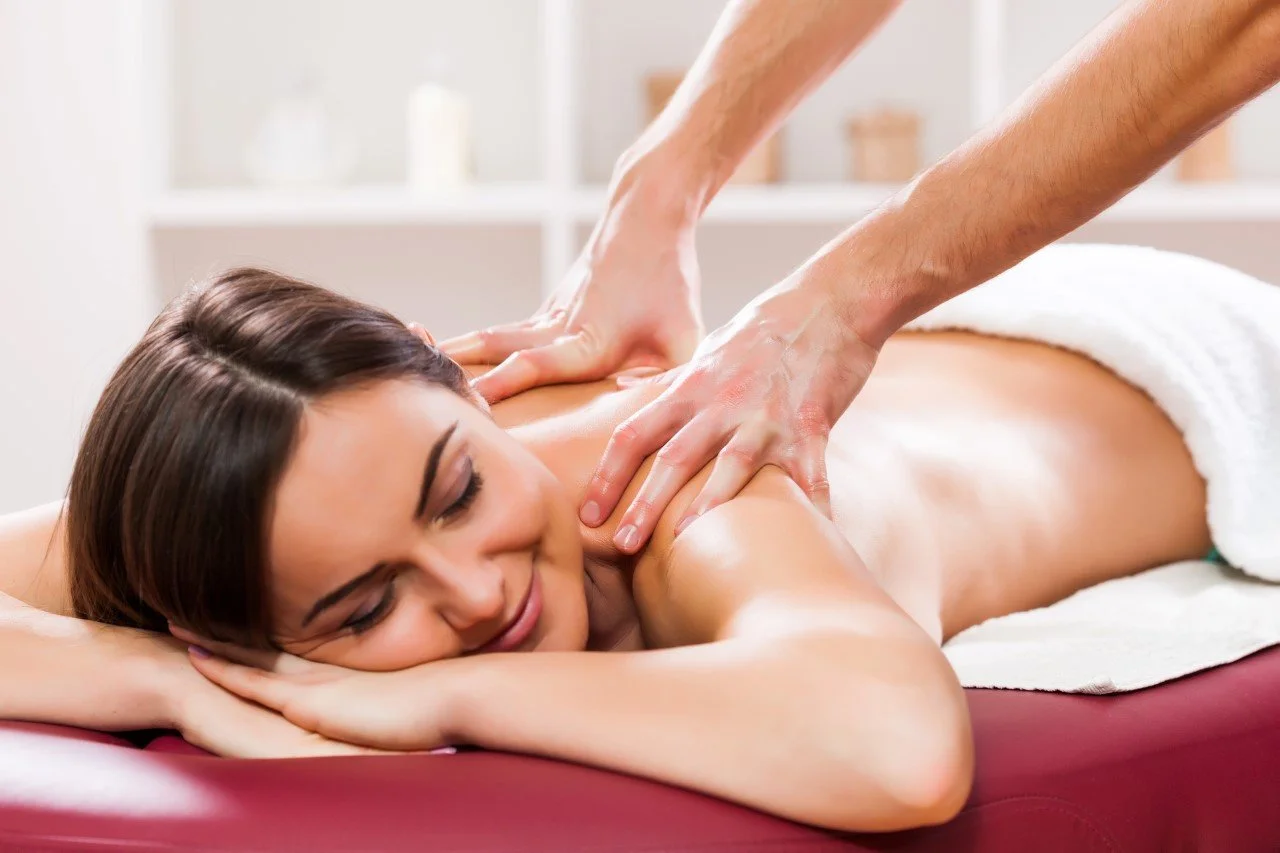
Tech neck presents through localized musculoskeletal stiffness that gradually evolves into chronic functional limitations. Initial warning signs involve neck tightness and intermittent shoulder aching after screen sessions. Left unaddressed, these initial discomforts progress toward structural immobility, radiating pain, and nerve irritation.
Primary physical symptoms include:
- Cervical spine stiffness and restricted rotational mobility.
- Sharp or dull aching along the inner scapular borders.
- Persistent upper trapezius and levator scapulae tenderness.
Cervicogenic headaches frequently arise when active trigger points develop within the suboccipital and upper trapezius muscle groups. Compressed spinal roots may also cause tingling, burning sensations, or numbness radiating into the arms, forearms, and fingers. Secondary complications involve interrupted sleep cycles, reduced concentration during work tasks, and elevated mental fatigue.
The Long-Term Impact of Poor Posture
Prolonged postural displacement alters the structural architecture of the cervical spine and thoracic girdle over time. Deep anterior cervical flexor muscles lengthen and weaken, while superficial posterior extensors and pectoral muscle groups become permanently shortened. This imbalance cements forward head posture as the central nervous system’s default alignment.
Persistent muscular imbalances accelerate degenerative changes across intervertebral discs and facet joints. Chronic disc compression increases the likelihood of cervical disc herniation, spinal stenosis, and thoracic outlet syndrome. Integrating routine professional massage therapy with daily ergonomic correction prevents progressive structural deformation and preserves healthy spinal mechanics.
How Can Massage Help Tech Neck Symptoms?
Massage therapy alleviates tech neck by deactivating trigger points, improving microcirculation, and releasing rigid fascial adhesions across cervical and thoracic tissues. Licensed therapists apply targeted manual modalities to elongate hypertonic muscles, reduce inflammatory compounds, and re-establish proper neuromuscular signaling. Clinical research indicates that targeted manual soft-tissue therapy significantly reduces cervical headache intensity, lowers subjective pain ratings, and restores active cervical range of motion.
Soothing Tired Muscles by Releasing Trigger Points
Tech neck triggers irritable myofascial trigger points within sustained contraction zones of the upper back and skull base. These focal knots refer persistent pain across the temples, behind the eyes, and down into the shoulder blades. Clinical manual pressure interrupts the neuromuscular spasm cycle, allowing contracted muscle fibers to return to their resting length.
Upper trapezius trigger points arise from sustained shoulder elevation and rounded shoulder postures during keyboard typing. Sustained ischemic compression directly deactivates these points, diminishing referred discomfort across the temporal and occipital zones. Decompressing suboccipital fibers at the base of the skull relieves mechanical traction on the greater occipital nerve, providing rapid relief from tension headaches.
Improving Range of Motion via Flexibility
Chronic myofascial constriction significantly impairs rotational and lateral bending mobility throughout the cervical spine. Desk workers with advanced tech neck frequently lose between 15% and 25% of their normal neck rotation. Targeted stretching, cross-fiber friction, and joint mobilization systematically restore full functional mobility.
Myofascial release methods address rigid connective tissue networks that restrict muscular sliding. Applying gradual, shearing pressure softens bound collagen fibers and restores glide between individual muscle compartments. Consistent therapeutic sessions sustain these elasticity gains and prevent the re-accumulation of restrictive adhesions.
Reducing Stress while Promoting Better Posture
Therapeutic massage activates the parasympathetic nervous system, decreasing systemic cortisol production while elevating relaxing neurotransmitters. Lower cortisol levels allow tense muscle tissue to relax and promote restorative sleep, which accelerates musculoskeletal repair. High sleep quality directly reduces pain sensitivity and restores physical energy.
Professional touch enhances proprioception, enabling individuals to recognize unconscious slouching and chin-poking habits throughout the workday. This bodily awareness facilitates conscious postural realignment during screen work. Routine massage appointments create a reinforcing recovery cycle: diminished pain encourages upright posture, which substantially lowers future cervical loading.
Best Massage Services for Tech Neck Treatment
Targeted therapeutic massage modalities deliver specific corrective benefits tailored to tech neck severity and individual physical tolerance. Selecting an appropriate modality depends on pain chronicity, muscle sensitivity, and personal recovery objectives. Professional massage therapists often blend complementary techniques during a single session to achieve lasting musculoskeletal relief.
A comprehensive physical assessment dictates whether soothing relaxation or intensive myofascial work is appropriate. Acute neck spasms respond best to gentle effleurage and petrissage strokes that avoid triggering muscle guarding. Chronic postural distortions require deeper structural intervention, sustained compression, and targeted mobility techniques to realign bound tissue fibers.
Deep Tissue Massage Service for Chronic Tension
Premier Deep Tissue Massage Service addresses chronic postural patterns by focusing on the deeper musculature and connective fascia. Slow, deliberate longitudinal strokes and firm friction break down stubborn adhesions in the levator scapulae, rhomboids, and cervical erectors. A clinical trial conducted by Majchrzycki and colleagues, published in The Scientific World Journal (2014), demonstrated that deep tissue massage effectively reduces chronic musculoskeletal pain and functional impairment.
Therapists operate within firm pressure levels (levels 4 to 5 on a standard 1-to-5 scale) to access sub-surface muscle layers. Pressure is carefully calibrated to deliver a productive, therapeutic stretch rather than sharp discomfort. Post-session hydration with 500 ml (17 fl oz) of water and mild mobility exercises support tissue recovery, reducing lingering stiffness and restoring pain-free movement.
Sports Massage Service for Injury Prevention
Sports Massage Service combines active stretching, trigger point deactivation, and proprioceptive neuromuscular facilitation (PNF) to correct muscular imbalances. This modality suits active professionals, runners, and fitness enthusiasts seeking to eliminate neck strain without pausing their athletic training routines. Therapists evaluate movement limitations to pinpoint compensatory patterns that contribute to cervical tightness.
Sessions incorporate cross-fiber friction, rhythmic compression, and assisted cervical stretches at pressure levels 3 to 5. A comprehensive meta-analysis by Guo and colleagues published in Frontiers in Physiology (2017) demonstrated that post-exercise massage significantly reduces delayed-onset muscle soreness. Correcting muscle activation patterns through targeted sports techniques optimizes overall athletic posture and prevents overuse injuries.
Swedish Massage Service for Relaxation plus Circulation
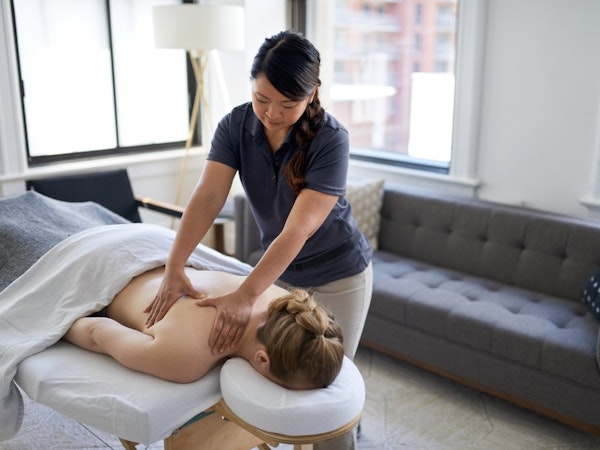
Professional Swedish Massage Service utilizes five classic manual movements—effleurage, petrissage, friction, tapotement, and vibration—to encourage deep relaxation and improve tissue oxygenation. This modality operates at gentle to moderate pressure (levels 2 to 3), making it suitable for clients experiencing acute neck spasms or those scheduling their first massage session. Flowing strokes warm superficial tissues, soothing defensive guarding without mechanical discomfort.
Swedish massage calms the sympathetic nervous system and facilitates cellular healing. Research led by Rapaport and colleagues at Cedars-Sinai, published in The Journal of Alternative and Complementary Medicine (2010), revealed that a single 45-minute Swedish massage significantly lowers circulating cortisol and arginine vasopressin while supporting immune function. Enhanced local blood flow carries vital oxygen to tight cervical fibers and speeds the removal of cellular metabolic waste.
Chair Massage Service for Quick Neck plus Shoulder Relief
Premier Chair Massage Service delivers focused cervical and thoracic relief for busy professionals with demanding corporate schedules. Each session lasts between 10 and 20 minutes, requiring no oil and allowing clients to remain fully clothed while seated forward in a specialized ergonomic massage chair. Therapists concentrate manual techniques on the primary stress zones affected by screen use:
- Cervical vertebrae and occipital attachments.
- Upper trapezius and levator scapulae muscles.
- Upper thoracic extensors, forearms, and wrist flexors.
A pilot study by Engen and colleagues at the Mayo Clinic, published in Complementary Therapies in Clinical Practice (2012), revealed that weekly 15-minute chair massages during work hours significantly reduced musculoskeletal stress and fatigue among hospital personnel. Operating at adjustable pressure levels 2 to 4, chair massage fits seamlessly into business hours, providing immediate tension relief without disrupting the working day.
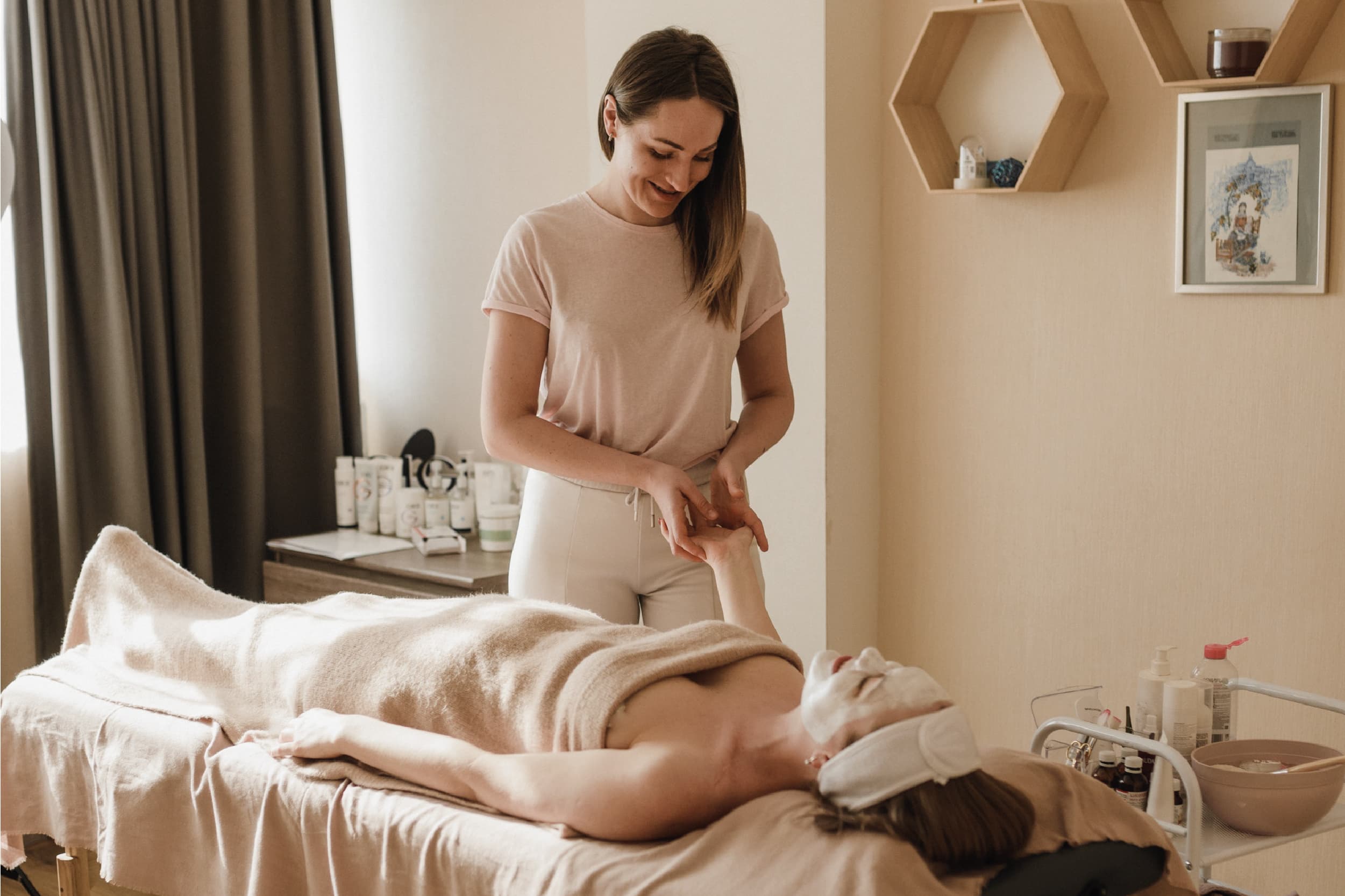
Experience Home Massage Service in New York City with HomeMassage
HomeMassage provides mobile in-home massage therapy across all five boroughs of New York City: Manhattan, Brooklyn, Queens, The Bronx, and Staten Island. Every session is conducted by a New York State Education Department (NYSED) licensed massage therapist (LMT) who holds at least 2 years of clinical experience, professional liability insurance coverage of at least $2,000,000 per incident, and specialized internal training. Our central administrative office at 106 W 32nd St in Midtown Manhattan serves exclusively as our therapist dispatch and clinical training hub rather than a public walk-in facility.
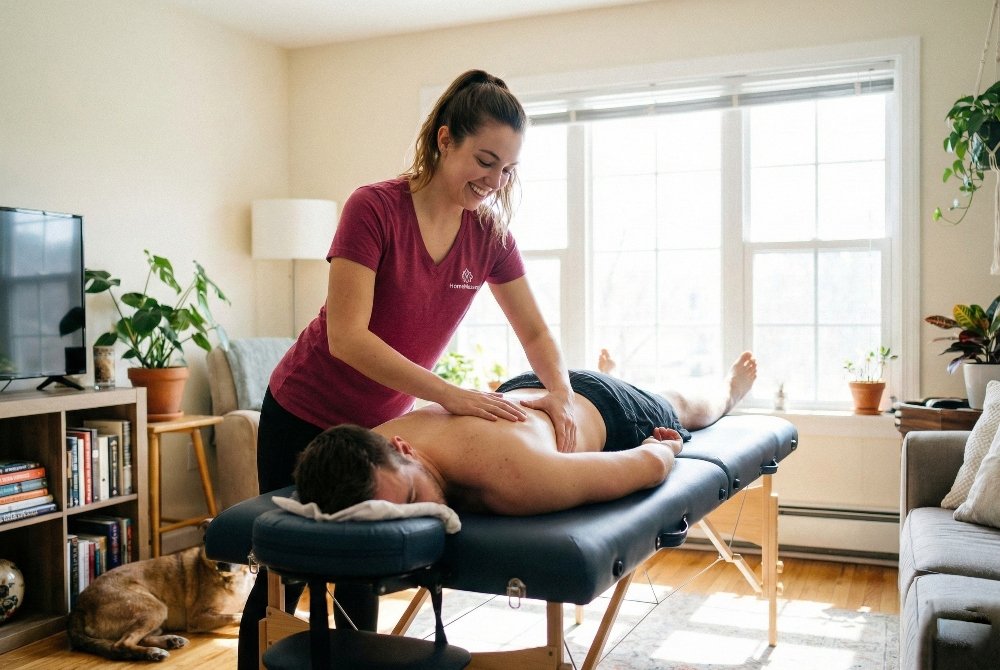
Therapists travel directly to your private apartment, hotel room, or corporate workplace with specialized equipment, including portable massage tables, freshly laundered linens sanitized at 60°C (140°F), and nut-free, unscented massage lotions. Treatments run seven days a week between 07:00 and 21:00, with equipment setup (10 to 15 minutes) conducted outside your purchased hands-on massage time. Receiving expert care in your personal living space eliminates transit friction and enables direct, restorative rest after treatment.
The Convenience of Mobile Massage for Busy Lifestyles
Navigating New York City transit systems, enduring crowded subways, and sitting in traffic delays often undoes the physical benefits of conventional clinic visits. In-home massage eliminates the need to travel before or after a treatment, keeping your nervous system in a relaxed, restorative state. Clients prepare their own living room or bedroom with a cleared floor area of 2.4 m × 3.4 m (8 ft × 11 ft) for table treatments.
Flexible scheduling options accommodate early morning sessions before executive meetings, afternoon pauses, or evening appointments. For individual sessions, latest therapist arrival times are 19:30 for 60-minute bookings, 19:00 for 90-minute bookings, and 18:30 for 120-minute bookings. Following your hands-on therapy, your LMT packs away all gear within 10 to 15 minutes, leaving you free to rest immediately in your own space.
Couples Massage Service: Shared Relaxation plus Pain Relief
Professional In-Home Couples Massage Service coordinates two licensed therapists and two portable massage tables positioned side-by-side within your private residence. This simultaneous format enables partners, friends, or family members experiencing mutual digital strain to unwind together without booking crowded spa suites. A room dimension of approximately 3.7 m × 3.4 m (12 ft × 11 ft) comfortably accommodates both treatment setups.
Shared therapeutic sessions foster mutual wellness accountability while providing customized physical relief for each participant. Each client completes an individual health intake form, allowing their therapist to apply preferred techniques and pressure levels independently (Swedish baseline at levels 2 to 3, with optional upgrades to Deep Tissue at levels 4 to 5). Research by Morhenn and colleagues published in Alternative Therapies in Health and Medicine (2012) indicates that therapeutic touch promotes oxytocin release while reducing stress-related hormones.
Prenatal Massage Service: Safe Neck Care for Expecting Mothers
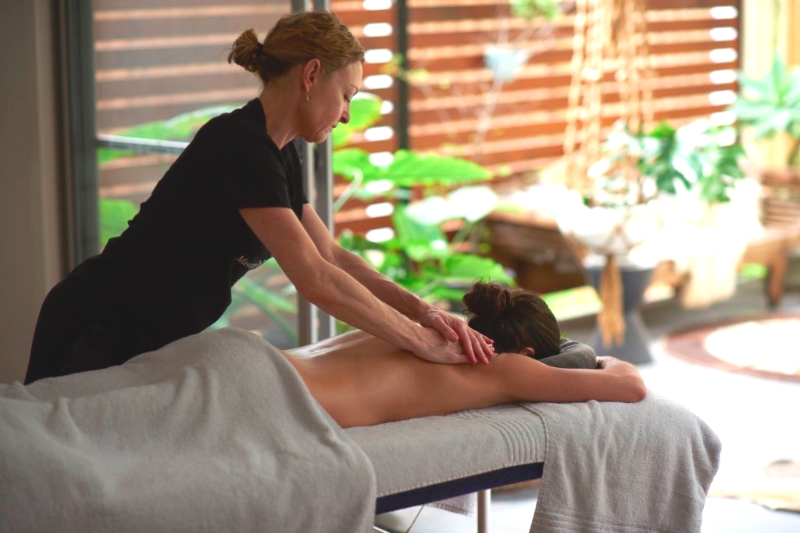
Professional Prenatal Massage Service provides targeted, safe cervical and spinal relief for expectant mothers starting at week 13 (second trimester) through delivery. Shifting body weight, abdominal growth, and altered postural balance increase mechanical shear across the lower cervical and upper thoracic spine. Prenatal treatments are delivered exclusively by therapists with over 24 hours of dedicated prenatal specialization.
Therapy utilizes side-lying positioning supported by cushioned bolsters to safeguard maternal circulation and avoid vena cava compression. Pressure is maintained at gentle to moderate levels (levels 1 to 3), while deep abdominal pressure and vigorous medial calf friction are strictly avoided. A 1999 clinical study by Field and colleagues published in the Journal of Psychosomatic Obstetrics & Gynecology confirmed that bi-weekly prenatal massage significantly decreases anxiety, alleviates back and neck pain, and enhances restorative sleep quality.
Self-Care Tips to Prevent Tech Neck at Home
While licensed massage therapy delivers structural soft-tissue release, consistent daily self-care prevents postural tension from returning. Simple ergonomic adjustments and micro-breaks systematically reduce cumulative loading on cervical vertebrae. Committing to practical movement habits maintains musculoskeletal balance throughout high-volume workdays.
Proactive prevention addresses both workstation mechanics and individual device habits. Minor adjustments to screen heights and arm positions eliminate hours of unnecessary muscular contraction. Understanding basic spinal mechanics empowers digital workers to maintain healthy postural habits indefinitely.

Simple Stretching Exercises for Neck plus Shoulders
Performing targeted mobility exercises maintains soft-tissue length and prevents myofascial adhesions from forming during long desk shifts. These non-strenuous stretches require no specialized equipment and can be performed comfortably at home or in an office setting:
- Upper trapezius stretching: Tilt the head sideways by bringing the left ear toward the left shoulder until a mild stretch runs along the right side of the neck. Hold steady for 30 seconds, breathe deeply, and repeat 3 times on each side up to 3 times daily.
- Chin tuck exercises: Sit upright, look straight forward, and glide the chin horizontally backward as if forming a double chin. Hold for 5 seconds to strengthen deep cervical flexors while decompressing the suboccipital region, repeating for 10 repetitions every working hour.
- Shoulder blade squeezes: Retract both scapulae inward and downward as though holding an object between them, keeping shoulders relaxed away from the ears. Hold for 5 seconds and perform 10 repetitions to activate the middle trapezius and rhomboid muscles.
Optimizing Your Workspace Ergonomics
Calibrating computer workstation components prevents repetitive cervical strain and supports long-term postural recovery. The primary display monitor should sit directly in front of you, with the top third of the viewing screen aligned at eye level. This height maintains the cervical spine in a neutral alignment, eliminating persistent downward tilting.
Keyboard and mouse inputs should rest at a height that allows elbows to bend at a 90-degree angle with forearms parallel to the desk. Supportive task chairs must feature adjustable lumbar support to prevent posterior pelvic tilt and upper back rounding. Elevating personal laptops on desktop stands and typing via external peripherals prevents the forward stooping typical of portable device use.
Developing Healthy Technology Habits
Conscious screen behaviors limit cumulative mechanical stress across neck ligaments and vertebral joints. Digital workers should adopt the 20-20-20 visual rule: every 20 minutes, gaze at an object positioned 20 feet (6 meters) away for at least 20 seconds. This brief pause releases ocular accommodation tension and prompts natural postural realignment.
When operating mobile phones and handheld tablets, elevate the hardware toward eye level rather than tilting the head downward. Schedule brief 2-minute movement breaks every 45 to 60 minutes to stand, walk, and roll the shoulders backward. Supporting natural spinal alignment during nighttime sleep with a contoured cervical pillow ensures tissues repair effectively overnight.
Schedule Your Relief with HomeMassage Today
Tech neck symptoms progress into chronic pain without proactive care, but professional mobile massage therapy restores healthy cervical balance. HomeMassage delivers licensed therapeutic massage directly to your private location anywhere in Manhattan, Brooklyn, Queens, The Bronx, or Staten Island. Every appointment is conducted by a vetted, NYSED-licensed massage therapist equipped with portable treatment tables and sanitized clinical linens.
Our seven-day operating schedule runs from 07:00 to 21:00, offering advance scheduling and same-day availability across New York City. Contact HomeMassage to book your customized tech neck relief session through our dispatch team at +1 (917) 426-9100, email [email protected], or schedule online at https://homemassagenyc.com. Prioritize your spinal health today and experience licensed therapeutic massage delivered straight to your door.