This classic modality represents the foundation of modern therapeutic bodywork, utilizing 5 specific techniques to promote deep relaxation, increase venous blood flow, and relieve physical muscle tension. The comprehensive therapy combines light-to-moderate pressure with continuous gliding movements to calm the nervous system, reduce cortisol, and restore musculoskeletal equilibrium. HomeMassage brings the finest swedish massage nyc has to offer directly to your doorstep in New York City, eliminating transit stress to maximize therapeutic recovery in the comfort of your own space.
What Is a Swedish Massage?
Swedish massage is a foundational therapeutic bodywork modality developed in the early 19th century to manipulate superficial muscle layers, increase local circulation, and soothe the autonomic nervous system. The method systematically applies 5 core strokes: effleurage, petrissage, friction, tapotement, and vibration.
The primary objective focuses on calming the central nervous system while easing soft tissue tension through gentle-to-moderate pressure (levels 2–3 on a 1–5 pressure scale). Unlike deep tissue therapy, Swedish massage works on superficial muscle groups, making it suitable for first-time recipients, individuals recovering from elevated stress, or anyone seeking restorative bodywork without intense mechanical pressure.
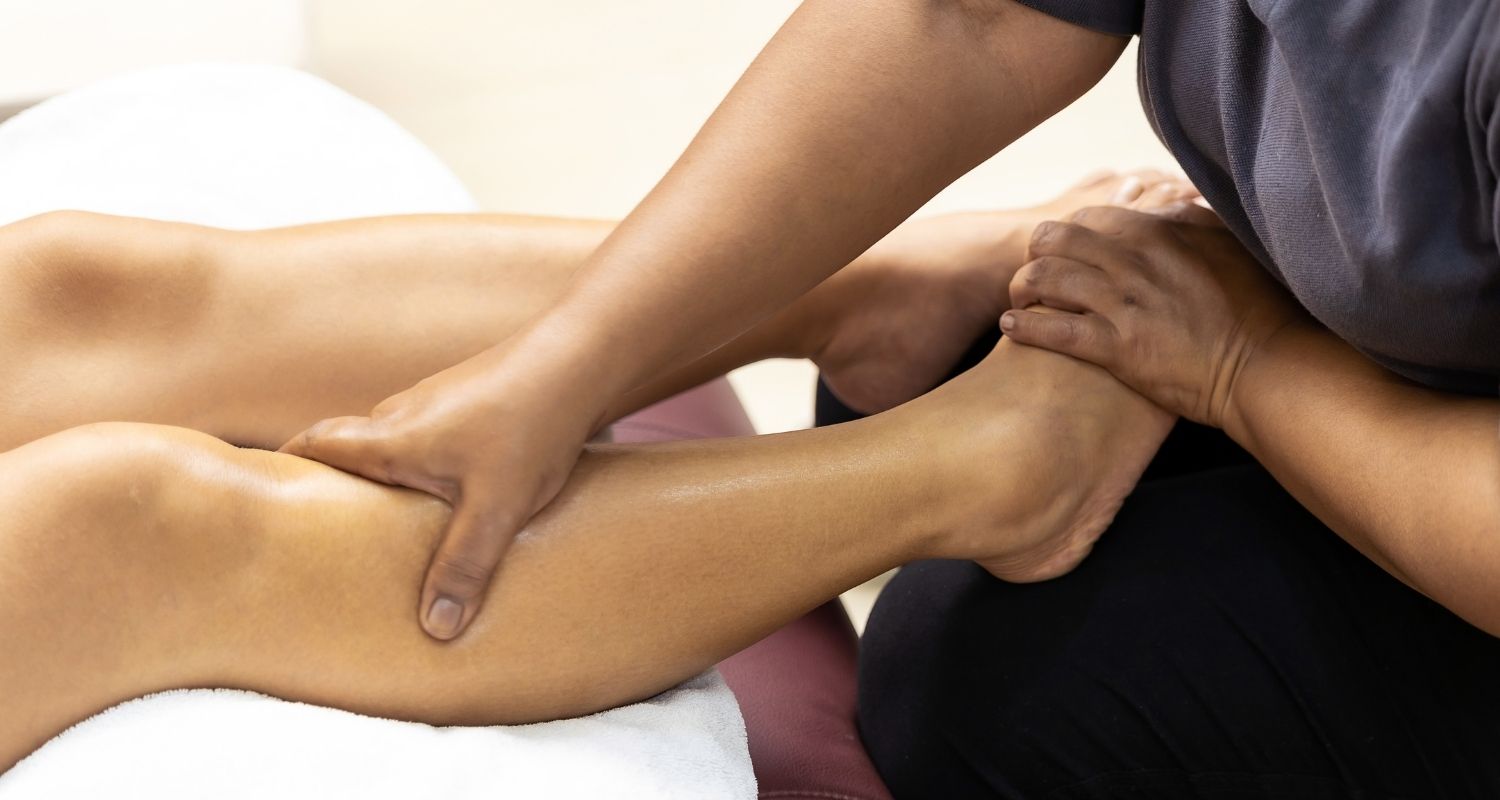
Key Differences Between Classic Techniques vs Deep Tissue Work
When evaluating the deep tissue vs swedish modalities, both treatments serve distinct therapeutic purposes through different pressure intensities, target tissues, and physiological goals:
- Pressure Intensity: Swedish massage applies level 2–3 (light-to-moderate) pressure on a 1–5 scale, whereas deep tissue bodywork utilizes level 4–5 (firm-to-deep) pressure to penetrate sub-layer muscle groups.
- Target Tissues: Swedish strokes manipulate superficial muscle layers and superficial fascia, while deep tissue focuses on deep muscular tissue, tendons, and dense connective bands.
- Session Objectives: Swedish massage prioritizes psychological stress reduction, systemic relaxation, and circulation, whereas deep tissue targets chronic postural tension, myofascial adhesions, and neuromuscular pain relief.
- Post-Session Sensation: Swedish treatment requires minimal recovery, whereas deep tissue manipulation frequently produces transient muscular soreness lasting 24 to 48 hours.
Health Benefits of Receiving This Treatment
Clinical data from professional organizations such as the American Massage Therapy Association demonstrate that Swedish bodywork produces measurable physiological, cardiovascular, and psychological health improvements through systematic soft tissue manipulation.
Eases Symptoms of Anxiety along with Stress
Swedish massage directly lowers biological markers of stress by calming the sympathetic nervous system and activating the parasympathetic “rest and digest” state. Research conducted at Cedars-Sinai Medical Center and published in the Journal of Alternative and Complementary Medicine shows that a single 45-minute Swedish massage session significantly reduces circulating cortisol and arginine vasopressin levels while increasing immune lymphocytes.
These biochemical changes reduce somatic anxiety, stabilize mood, and alleviate mental exhaustion. Consequently, regular massage for stress relief serves as a restorative countermeasure for busy urban professionals, while also functioning as an effective massage for insomnia by facilitating deeper, uninterrupted sleep cycles.
Relieves Pain plus Body Tension
Targeted manual strokes alleviate muscle stiffness by mobilizing restricted fibers, removing metabolic waste products, and enhancing localized cellular nutrition. Evidence supported by the National Center for Complementary and Integrative Health indicates that gentle-to-moderate manual manipulation diminishes musculoskeletal discomfort without exacerbating inflammation.
Regular Swedish sessions provide sustainable tension relief across high-stress body regions, including the neck, upper trapezius, shoulders, and lower lumbar area, breaking the cycle of tension-induced muscle guarding.
Improves Blood Circulation with Flexibility
Mechanical strokes directed toward the heart facilitate venous return and accelerate lymphatic drainage. Long, continuous effleurage motions decrease vascular resistance, assisting the cardiovascular system in delivering oxygen-rich blood to peripheral extremities.
Furthermore, systematic kneading lengthens shortened muscle fibers and eases connective tissue stiffness, increasing joint range of motion and overall physical mobility by 15% to 20%.
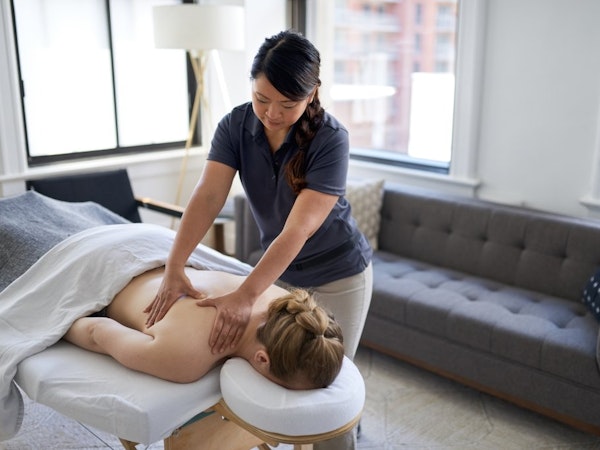
Common Techniques Used by HomeMassage
HomeMassage therapists systematically execute 5 foundational Swedish techniques, each tailored to achieve specific clinical outcomes within a cohesive treatment protocol.
Effleurage
Effleurage utilizes long, sweeping, rhythmic strokes executed with flat hands, forearms, or thumbs along the direction of venous blood flow toward the heart. This technique warms superficial tissues, calms peripheral nerves, and establishes therapeutic contact at the beginning and conclusion of each muscle sequence.
Petrissage
Petrissage involves kneading, lifting, rolling, and compressing muscle bellies away from underlying bone structures. This rhythmic action mechanically squeezes stagnant fluids from capillary beds, stretches tight muscle fibers, and accelerates muscle recovery without applying sharp or painful pressure.
Tapotement
Tapotement consists of rapid, rhythmic percussive strikes, including cupping, hacking with the ulnar border of the hands, and light tapping. Practiced therapists apply tapotement selectively to stimulate sluggish nerves, increase localized hyperemia, and revitalize fatigued muscle tissue.
Friction
Friction employs circular or transverse pressure using the thumbs, fingertips, or palms directly over focused areas of muscular congestion. By compressing tissues against underlying structures, friction generates localized warmth, softens micro-adhesions, and releases stubborn knots around tendons and joint capsules.
Vibration
Vibration delivers fine, rapid shaking and oscillating movements transmitted through the therapist’s fingertips or palms into the targeted tissue. This technique relieves persistent neuromuscular tension, sedates hypersensitive nerve pathways, and promotes total somatic relaxation.
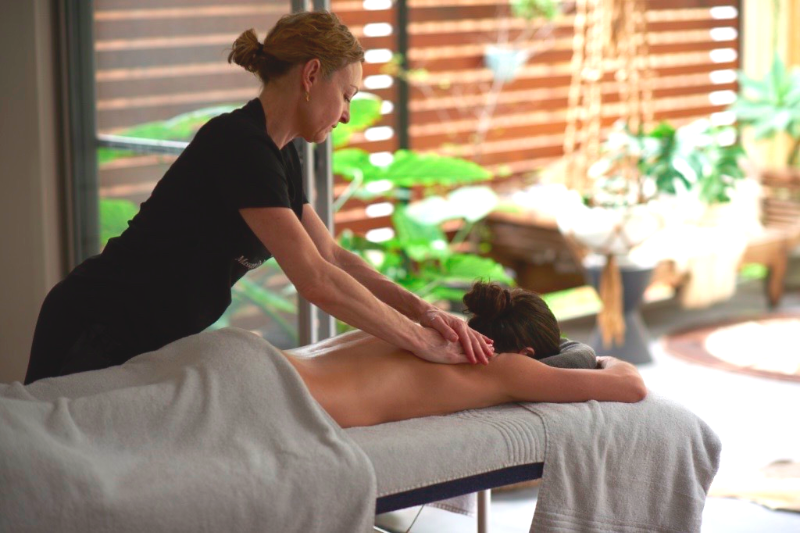
What to Expect During a HomeMassage Appointment in New York City
How to Prepare for Your Home Session
Preparing your personal space ensures an uninterrupted, comfortable therapeutic session:
- Clear an open floor space measuring approximately 2.4 m × 3.4 m (8 ft × 11 ft) to comfortably accommodate the portable professional massage table and allow therapist movement.
- Maintain a comfortable ambient room temperature between 22°C and 24°C (72°F to 76°F).
- Hydrate with approximately 500 ml (17 fl oz) of water 2 to 3 hours before your scheduled time.
- Silence mobile phones and provide clear building entry or buzzer instructions in advance.
What to Wear During the Treatment
Client comfort, professional boundaries, and appropriate physical access determine session attire:
- Undress to your personal comfort level; retaining your underwear is completely acceptable and standard practice.
- Strict professional draping is maintained by the Licensed Massage Therapist at all times, keeping your body fully covered with fresh linens and uncovering only the individual area currently receiving treatment.
- Remove watches, heavy jewelry, and eyeglasses prior to lying on the table.
- Wear loose, comfortable loungewear for easy redressing after the treatment concludes.
What Happens During the Service
HomeMassage delivers a structured, professional appointment designed to maximize your comfort and therapeutic results:
- Health Consultation: A focused 5-minute health intake to review medical history, address specific tension zones, and confirm level 2–3 pressure preferences.
- Hands-On Treatment: A full 60, 90, or 120 minutes of continuous bodywork utilizing all 5 Swedish strokes (equipment setup and breakdown times do not reduce your hands-on massage duration).
- Pressure Calibration: Continuous communication after the first 5 minutes to fine-tune stroke intensity to your exact comfort.
- Post-Session Integration: A brief resting period allowing your cardiovascular system to re-equilibrate before your therapist provides personalized self-care recommendations.
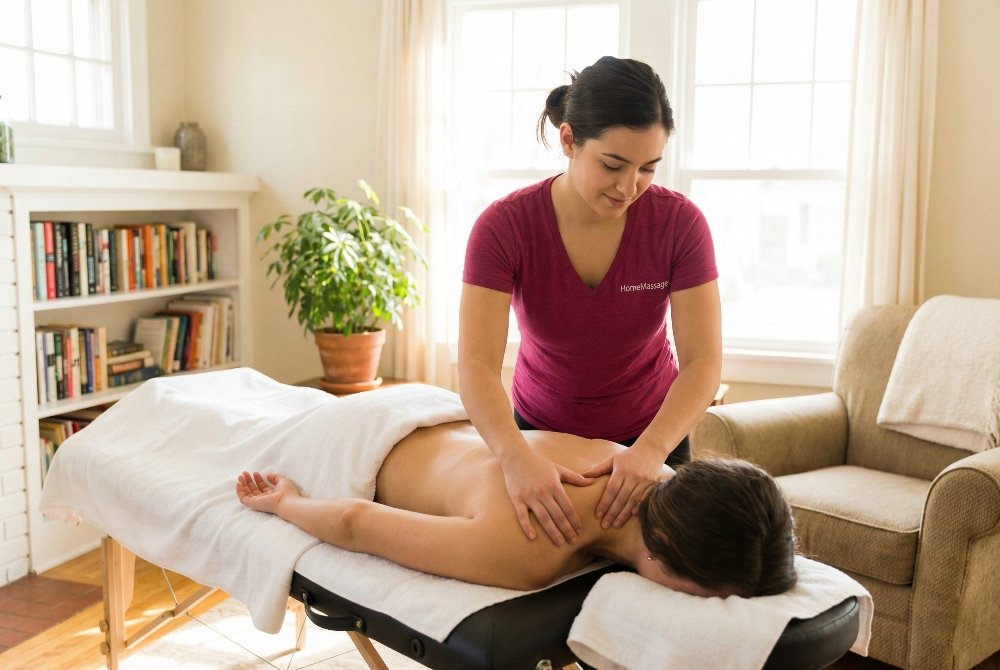
Safety plus Possible Side Effects
Swedish bodywork maintains an outstanding safety profile when performed by verified, state-licensed professionals. Transient, mild post-session responses can include:
- Lightheadedness immediately upon standing due to lowered blood pressure and systemic vasodilation.
- Temporary muscle tenderness lasting 12 to 24 hours as tissues process released metabolic waste.
- Mildly increased urination resulting from enhanced lymphatic drainage and fluid reabsorption.
Absolute and regional contraindications require postponing massage or consulting a physician. These conditions include active fevers of 38°C (100.4°F) or higher, contagious dermatological infections, active or suspected deep vein thrombosis (DVT), acute soft tissue injuries sustained within 72 hours, and major surgical procedures within the preceding 6 weeks. Pregnant individuals in their first trimester (under 13 weeks) should avoid massage; those at week 13 or beyond should book specialized prenatal care.
Why Choose HomeMassage for Relaxing Bodywork in NYC?
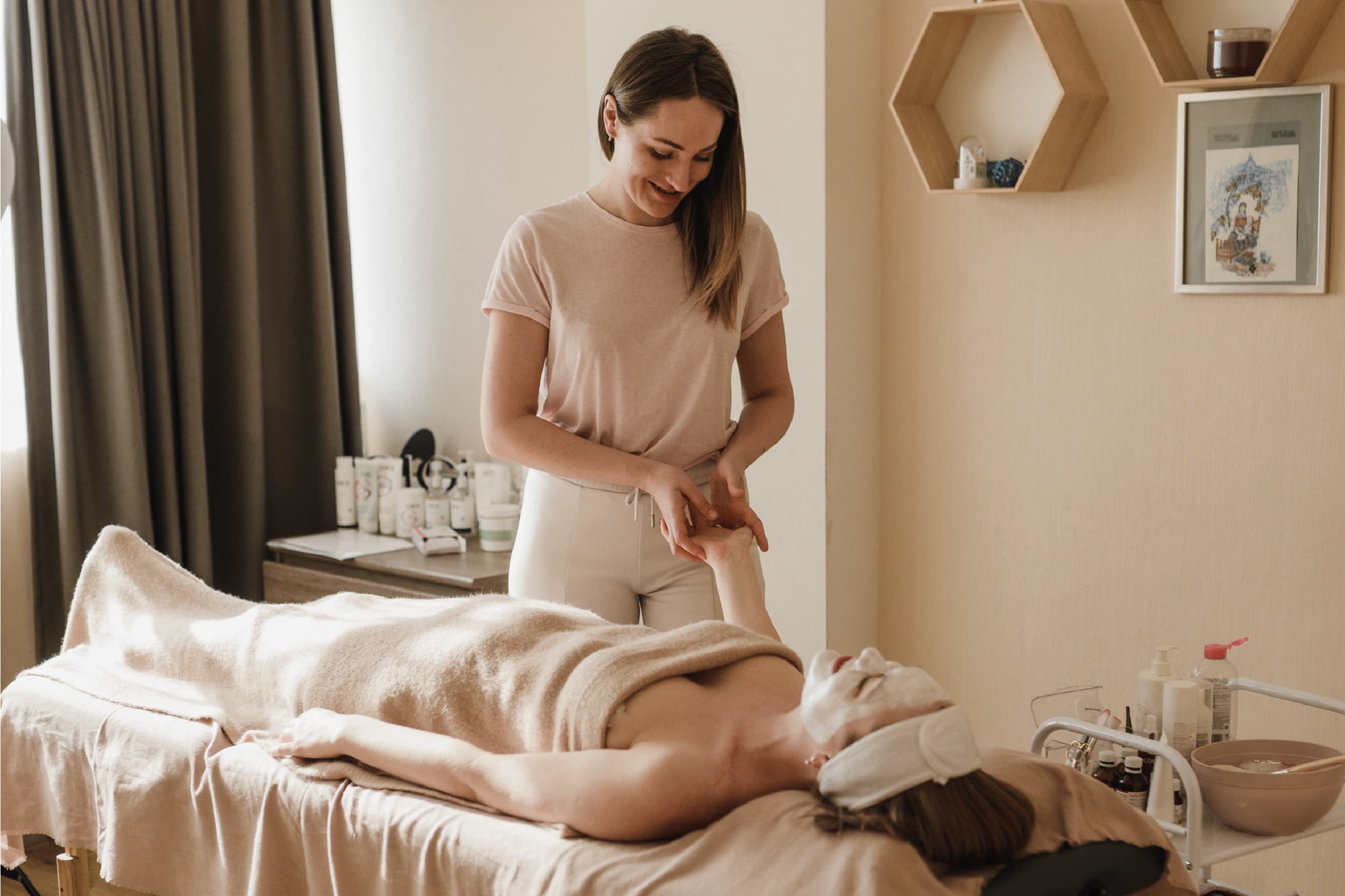
HomeMassage is a 100% mobile therapeutic service delivering spa-grade in-room massage NYC appointments directly to your residence, hotel suite, or corporate office across Manhattan, Brooklyn, Queens, The Bronx, and Staten Island. Our centralized dispatch office and training center at 106 W 32nd St, New York, NY 10001 coordinates vetted, NYSED-licensed massage therapists equipped with 76 cm (30 inch) portable tables, freshly sanitized linens laundered at 60°C (140°F), and pure, nut-free oils (suitable for an aromatherapy massage). We operate from 07:00 to 21:00, 7 days a week, providing reliable, licensed therapeutic care on your schedule.
Combining This Modality with Other Home Services
Deep Tissue Integration
Clients seeking targeted therapeutic relief frequently combine Swedish bodywork with deeper myofascial manipulation. Gentle Swedish strokes initially warm superficial muscle fibers, allowing the therapist to apply firmer pressure to chronic postural adhesions in the neck, spine, and hips without inducing defensive muscle tension.
Sports Recovery plus Chair Options
Understanding the clinical difference sports deep tissue modalities provide allows active individuals to integrate Swedish techniques for post-workout recovery, facilitating lactic acid clearance and reducing delayed onset muscle soreness (DOMS). For corporate settings, HomeMassage also offers Premier Chair Massage Service, providing focused seated relief for the neck, shoulders, and arms without requiring clients to disrobe.
Prenatal Care along with Couples Sessions
HomeMassage coordinates Professional In-Home Couples Massage Service, delivering two synchronized treatments simultaneously on side-by-side tables with two dedicated therapists. For expectant mothers in their second or third trimester (week 13 onward), our Professional Prenatal Massage Service utilizes specialized side-lying positioning and supportive bolsters to safely relieve maternal lower back ache and joint pressure.
Frequently Asked Questions
How Much Does a Swedish Massage Cost?
A Professional Swedish Massage Service with HomeMassage costs $155 for 60 minutes, $215 for 90 minutes, and $280 for 120 minutes. Standard pricing covers therapist travel across Manhattan, Brooklyn, Queens, and The Bronx, with an added $30 travel surcharge applying only to Staten Island appointments. Gratuity is voluntary (standard 18% to 20%), and all sessions feature transparent rates with zero equipment or weekend fees.
Should You Shower Before or After a Massage?
You should ideally take a warm shower before your massage and wait at least 30 to 60 minutes before showering afterward. Showering beforehand cleanses the skin and relaxes tight superficial muscles. Waiting 30 to 60 minutes after your session allows the nourishing, unscented body oils to fully absorb into your skin.
Does a Swedish Massage Include the Buttocks?
Gluteal work is entirely optional and performed only with your explicit verbal and written consent. Because the gluteal muscles connect directly to lumbar stability and sciatic nerve function, addressing this area helps relieve lower back and hip stiffness. Licensed therapists maintain strict draping standards at all times, keeping your body covered except for the specific area being treated.
Experience therapeutic relaxation delivered directly to your doorstep. HomeMassage connects you with New York State Licensed Massage Therapists arriving at your home, hotel, or office across NYC between 07:00 and 21:00, 7 days a week. Book your appointment today to restore physical balance and relieve muscle tension.
Contact Information:
- Company: HomeMassage
- Address: 106 W 32nd St, New York, NY 10001, USA (Dispatch & Training Facility; 100% Mobile Service)
- Phone: +1 (917) 426-9100
- Email: [email protected]
- Website: https://homemassagenyc.com
- Hours: 07:00 – 21:00, Monday through Sunday