
Choosing between deep tissue and Swedish techniques determines how effectively bodywork addresses your specific musculoskeletal needs. According to data from the American Massage Therapy Association, 95% of surveyed individuals recognize therapeutic bodywork as an essential component of overall health and wellness. Understanding these primary modalities allows you to make an informed decision when booking a targeted deep tissue massage nyc.
HomeMassage delivers licensed therapeutic care directly to your apartment, private home, hotel room, or workplace across New York City. Both modalities deliver distinct physiological benefits for muscle recovery, stress alleviation, and localized pain reduction through customized home massage in NYC.
What is the Difference Between Swedish and Deep Tissue Therapy?
The core distinction between Swedish and deep tissue therapy lies in pressure depth, physiological intent, and anatomical layer engagement. Swedish therapy applies light to moderate pressure to stimulate circulation and induce autonomic nervous system relaxation. Conversely, deep tissue therapy applies focused, firmer force to resolve adhesions within deep muscle groups and myofascial sheets.
Prospective clients frequently evaluate comfort thresholds and question whether does deep tissue massage hurt during intensive neuromuscular manipulation. While Swedish techniques emphasize systemic restoration through superficial tissue mobilization, deep tissue protocols isolate structural dysfunction to restore functional range of motion.

Key Differences in Pressure and Intensity
Swedish bodywork delivers pressure ranging between level 2 and level 3 on a standardized 1 to 5 scale, translating to approximately 1.4 to 2.8 kg/cm² (20 to 40 psi). Therapists apply continuous, flowing strokes across superficial muscles without penetrating dense sub-fascial planes. This calibrated force sustains circulatory stimulation while ensuring total comfort.
Deep tissue therapy applies firm to intensive pressure rated at level 4 to level 5, commonly exceeding 4.2 kg/cm² (60 psi). Therapists direct compressive biomechanical force into deep skeletal muscle layers, tendinous junctions, and surrounding myofascial tissue. This localized pressure may generate brief, tolerable tenderness while resolving persistent tension patterns.
These varying force levels induce distinct physiological cascades. Swedish strokes stimulate mechanoreceptors that promote parasympathetic vagal activity, reducing systemic stress markers. Deep tissue compression elicits transient local metabolic responses that initiate tissue remodeling and break structural adhesions.
Variation in Stroke Techniques and Movements
Classic Swedish massage incorporates 5 foundational Western strokes designed to support lymphatic drainage and vascular flow:
- Effleurage: Long, gliding strokes that warm superficial tissues
- Petrissage: Rhythmic kneading and lifting of muscle bellies
- Friction: Focused circular rubbing across tissue planes
- Tapotement: Light, rhythmic percussive strikes
- Vibration: Rapid oscillatory trembling movements
Deep tissue bodywork utilizes specialized manual therapies including myofascial release, trigger point deactivation, and transverse friction. Practitioners apply deliberate, sustained strokes that penetrate cross-fiber planes rather than mirroring superficial muscle alignment. These focused maneuvers differ from foundational swedish massage techniques that prioritize unbroken, surface-level gliding.
Movement direction varies according to therapeutic goals. Swedish techniques follow venous pathways toward the heart to enhance cardiovascular return. Deep tissue strokes often work perpendicularly across muscle fibers to soften fibrous restrictions and release localized myofascial knots.
Treatment Goals: Relaxation vs Muscle Recovery
Swedish bodywork primarily aims to regulate neuroendocrine activity, reduce vascular tension, and enhance parasympathetic tone. Clinical investigations from Cedars-Sinai Medical Center show that a single 45-minute Swedish session can decrease circulating cortisol and vasopressin levels while increasing lymphocyte counts. In addition, clients frequently schedule therapeutic massage for insomnia to restore restorative sleep architecture.
Deep tissue protocols target measurable orthopedic milestones, focusing on:
- Chronic musculoskeletal pain relief
- Myofascial trigger point deactivation
- Restoration of joint mobility and flexibility
Clinical data published in The Scientific World Journal confirms that deep tissue therapy significantly decreases chronic low back pain scores with efficacy comparable to non-steroidal anti-inflammatory medications. Clients managing athletic recovery can also compare sports massage vs deep tissue to target sport-specific conditioning milestones.
Treatment goals dictate scheduling intervals. Swedish sessions serve ongoing stress prevention and wellness maintenance with bi-weekly or monthly sessions. Deep tissue therapy often requires weekly initial sessions to correct chronic postural dysfunction before transitioning to routine maintenance.
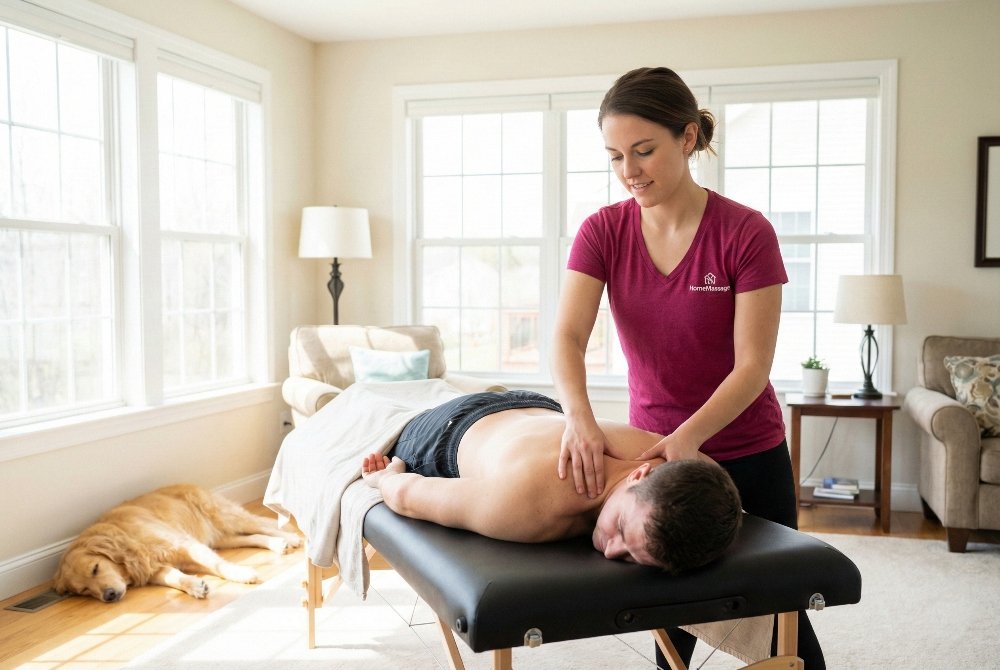
Everything You Need to Know About Swedish Therapy Service
Professional Swedish Massage Service represents the bedrock of Western therapeutic bodywork, rooted in anatomical principles codified by 19th-century European practitioners. This modality applies structured manual strokes to increase arterial perfusion, relieve superficial hypertonicity, and restore homeostasis.
By blending systematic biomechanics with natural physiological rhythms, licensed therapists adapt pressure to personal tolerance. The result is a restorative experience that calms the central nervous system without causing post-session muscular soreness.
What Happens During a Swedish Session?
Your HomeMassage session begins with an intake consultation covering health history, tension patterns, and personal pressure preferences. Appointments range from 60 to 90 or 120 minutes of dedicated hands-on treatment, excluding setup and pack-down time.
The session starts in a prone position with gentle effleurage across the back, neck, and posterior leg musculature. Your therapist applies hypoallergenic, nut-free, unscented oil to allow smooth gliding, gradually deepening strokes to level 2 or level 3 pressure.
Next, your therapist transitions to petrissage and localized friction to lift and compress major muscle bellies. The protocol concludes in a supine position, treating the anterior legs, arms, shoulders, and scalp with soothing vibration and effleurage. Post-treatment recommendations include drinking 500 ml (17 fl oz) of water and performing light postural stretches.
Benefits of Swedish Techniques for Stress Relief
Swedish bodywork activates clear neurobiological mechanisms that alleviate somatic stress. Mechanical stimulation of subcutaneous pressure receptors signals the vagus nerve, initiating parasympathetic dominance and slowing cardiac output.
Enhanced peripheral blood flow accelerates oxygenation to cerebral tissues and expedites the clearance of cellular metabolic waste. This circulatory boost reduces mental fatigue, sharpens cognitive focus, and alleviates psychological strain.
Clinical trials indicate that Swedish massage can reduce systolic blood pressure by 6 to 8 mmHg and diastolic pressure by 3 to 5 mmHg post-treatment. These vascular adaptations help diminish physical agitation and support deep, restorative sleep cycles.

Who Is Swedish Bodywork Best For?
Swedish massage is ideal for first-time massage recipients seeking gentle stress reduction and whole-body renewal. The non-invasive pressure allows individuals unaccustomed to manual therapy to decompress without discomfort.
This modality provides relief for office workers and sedentary professionals experiencing general stiffness from sustained computer work. The rhythmic strokes ease superficial tension across the neck, upper trapezius, and lumbar spine.
Individuals managing fibromyalgia, mild joint stiffness, or heightened sensory sensitivity also benefit from Swedish techniques. The moderate manipulation delivers systemic circulatory improvements without overloading sensitive neural pathways.
Everything You Need to Know About Deep Tissue Treatment Service
Premier Deep Tissue Massage Service addresses chronic structural tension, recurrent musculoskeletal aches, and restricted myofascial mobility. This modality requires extensive anatomical expertise to manipulate sub-surface muscular sheets safely and effectively.
Rooted in orthopedic principles and rehabilitative science, deep tissue protocols isolate the underlying causes of kinetic dysfunction rather than addressing superficial symptoms alone. Licensed therapists systematically dismantle restrictive adhesions to restore postural equilibrium.
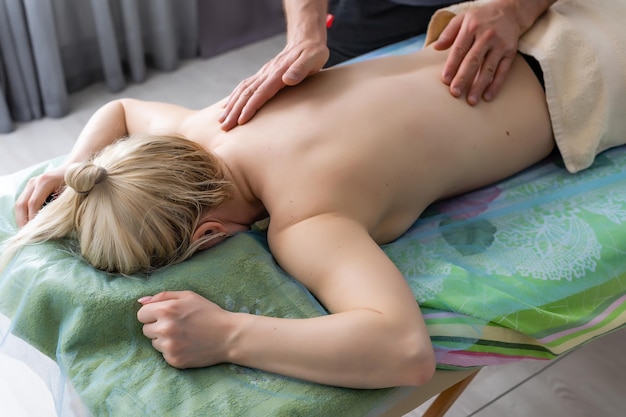
What Can You Expect During a Deep Tissue Session?
A deep tissue appointment begins with a focused assessment of posture, spinal alignment, and specific regions of restricted movement. Your therapist reviews your health intake form to identify clinical priorities before tailoring the treatment plan.
The physical treatment starts with broad Swedish strokes to warm superficial muscle bellies and increase regional perfusion. Preparing the superficial tissues prevents protective muscle guarding and allows smooth access to deeper structures.
Your therapist applies sustained, slow compression using forearms, palms, and reinforced thumbs at level 4 to level 5 pressure. Direct ischemic pressure is maintained on hyperirritable trigger points for 30 to 90 seconds until tissue density softens. Mild muscular tenderness during treatment resolves into lasting structural release.
Mild post-treatment soreness resembling the sensations of an intense workout may persist for 24 to 48 hours. This transient response reflects structural remodeling and can be managed with hydration, heat application, and gentle mobility work.
Benefits of Deep Tissue Work for Chronic Pain
Deep tissue therapy relieves chronic pain by physically breaking down cross-linked collagen fibers and fibrotic scar tissue. Sustained mechanical force stimulates tissue remodeling, improving regional flexibility and reducing strain on adjacent joints.
Targeted manual therapy downregulates nociceptive pain signaling by reducing localized inflammatory biomarkers. Concurrently, compressive strokes stimulate the release of endogenous endorphins that elevate individual pain thresholds.
Postural realignment represents a major clinical benefit of deep tissue therapy. Releasing chronic shortening in postural stabilizers—such as the piriformis, levator scapulae, and quadratus lumborum—restores balanced movement patterns and prevents recurrent strain.

Who Is Deep Tissue Therapy Good For?
Deep tissue therapy is ideal for athletes and fitness enthusiasts managing repetitive strain, delayed onset muscle soreness, or joint restrictions. Targeted soft tissue manipulation restores functional tissue compliance and accelerates recovery cycles.
Individuals suffering from chronic postural discomfort—such as tension headaches, lumbar stiffness, or thoracic kyphosis—gain measurable relief. The focused strokes release tight muscle bands that pull spinal segments out of alignment.
Patients rehabilitating past sprains or strains benefit from deep tissue work once acute inflammation has resolved. Remodeling disorganized scar tissue prevents persistent mobility limitations and helps restore functional movement.
Detailed Comparison: Swedish vs Deep Tissue at HomeMassage
Evaluating the practical differences between these two therapies ensures your selection aligns directly with your physiological requirements. Both modalities provide proven health benefits when performed by a skilled practitioner.
Your choice depends on your current musculoskeletal condition, pain thresholds, and personal preferences regarding mechanical pressure. HomeMassage therapists help guide this selection during initial intake consultations.
Focus Areas: Full-Body Relaxation vs Targeted Muscle Therapy
Swedish massage provides balanced, full-body coverage designed to soothe the central nervous system. Sessions address all major muscle groups—including the back, legs, arms, neck, and shoulders—in a smooth, interconnected sequence.
This full-body protocol enhances venous return and lymphatic drainage across the entire vascular network. The uninterrupted flow creates a systemic calming effect that lowers acute anxiety and relieves general somatic fatigue.
Deep tissue therapy concentrates intensive effort on specific pathological or symptomatic areas. Sessions frequently center on 1 or 2 dysfunctional regions, such as the upper trapezius, rotator cuff complexes, lower back, or hip rotators.
Targeting specific structural complexes allows sufficient time to melt stubborn adhesions and release active trigger points. Multiple focused sessions systematically rebalance adjacent kinetic chains over time.
Is Deep Tissue Work Painful Compared to Swedish?
Pain sensitivity varies based on muscle tone, individual pain tolerance, and local tissue inflammation. Swedish massage remains entirely within a comfortable sensory range, producing pleasant, calming sensations throughout the appointment.
Deep tissue manipulation may cause localized, productive discomfort when working through dense adhesions. Licensed therapists carefully distinguish therapeutic release from harmful pain, continuously checking in to ensure intensity remains tolerable.
HomeMassage implements clear communication protocols, allowing you to modify pressure at any time using our 1 to 5 scale. Experiencing mild muscle tenderness 24 to 48 hours after a session is a normal physiological response to deep myofascial work.
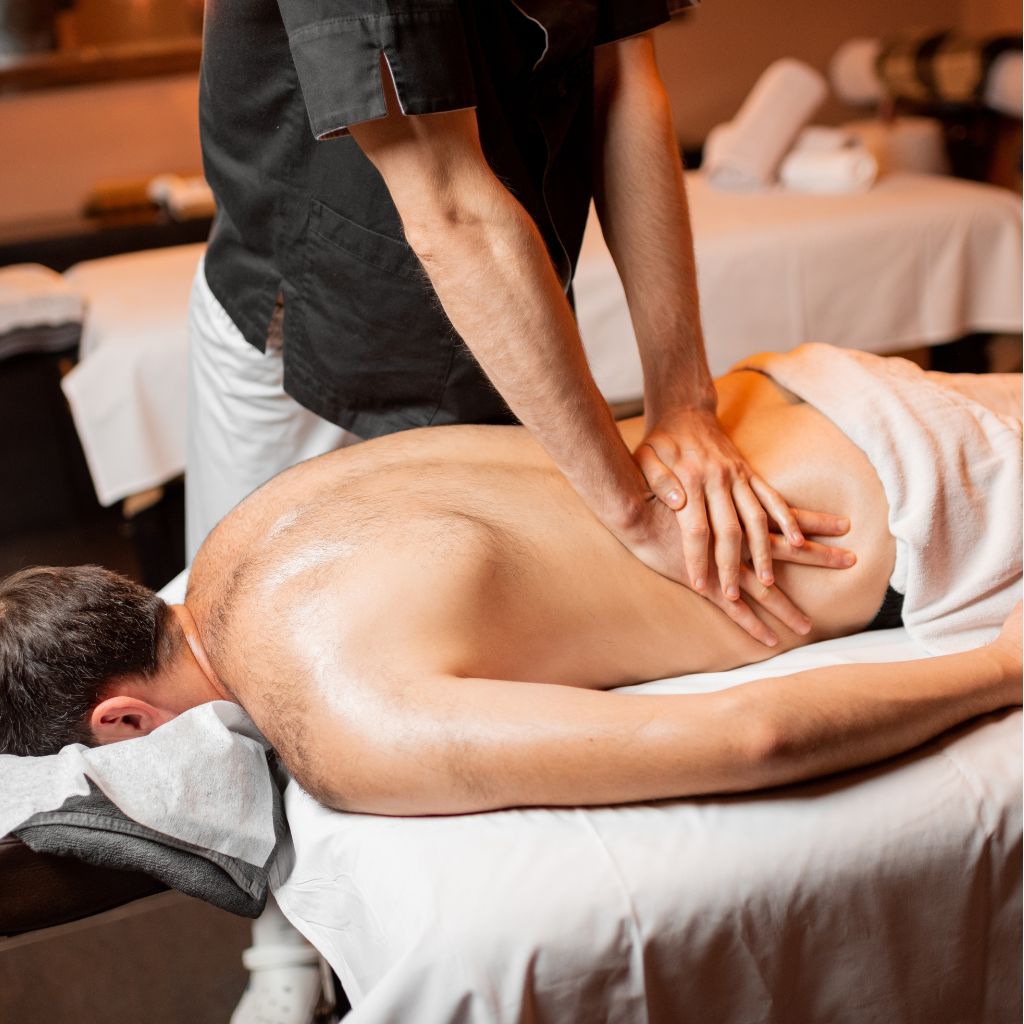
Combining Techniques with Sports Recovery Service
HomeMassage integrates Swedish and deep tissue modalities within specialized Sports Massage Service protocols to optimize performance and accelerate tissue repair. Pre-event sessions employ rhythmic Swedish strokes to increase muscular perfusion and flexibility without inducing fatigue.
Post-event protocols incorporate focused deep tissue techniques 24 to 72 hours after competition to release structural adhesions and alleviate delayed onset muscle soreness. This targeted intervention helps clear metabolic byproducts while preventing chronic tendon strain.
Ongoing maintenance sessions alternate fluid Swedish circulation work with deep myofascial mobilization based on training cycles. This balanced schedule maintains tissue pliability and reduces the risk of repetitive overuse injuries.
Which Service Should You Book with HomeMassage in New York City?
Selecting the optimal modality requires evaluating your physical activity, stress levels, and clinical history. If your primary objective is mental relaxation and overall tension relief, Swedish bodywork is the appropriate choice. If you need to resolve localized chronic pain or structural stiffness, deep tissue therapy is recommended.
Choosing Based on Activity Level and Injury Recovery
Sedentary professionals spending long hours at desks respond well to Swedish therapy for general circulatory support and surface tension relief. Gentle strokes effectively loosen postural tightness without triggering soreness.
Active individuals and athletes experiencing dense muscular tightness require the deeper mechanical force of deep tissue therapy. Intensive physical exertion creates sub-surface tension patterns that need firm compressive work to release.
Injury recovery phases dictate technique selection. Sub-acute recovery stages benefit from Swedish strokes that enhance circulation without stressing healing fibers. Chronic post-injury phases require deep tissue friction to align collagen fibers and break down restrictive scar tissue.
Considerations for Prenatal and Couples Sessions
Expectant mothers in their second or third trimester (week 13 onward) must select the Professional Prenatal Massage Service. This dedicated protocol uses side-lying positioning with supportive cushions and gentle level 1 to 3 pressure to relieve pregnancy-related hip and back aches safely. HomeMassage does not perform deep tissue or Swedish table massage during pregnancy.
Professional In-Home Couples Massage Service allows two clients to receive concurrent treatment from two therapists on side-by-side tables. While Swedish massage provides the shared baseline, either partner can upgrade to deep tissue therapy for personalized pressure.
Personalized pressure options ensure both individuals achieve their respective wellness goals within a shared, relaxing environment. Therapists maintain independent communication with each client throughout the session.
When to Choose a Chair Service Instead
Premier Chair Massage Service provides focused tension relief for clients facing strict time limitations or space constraints. Recipients remain fully clothed in an ergonomic massage chair while the therapist works on the neck, shoulders, upper back, and arms without massage oils.
This format is well suited for corporate wellness events and office spaces, with individual sessions typically lasting 10, 15, or 20 minutes. It requires only 2 m × 2 m (6.5 ft × 6.5 ft) of floor space and provides quick relief during the workday.
Individuals with limited mobility who have difficulty lying on a standard massage table also appreciate the upright, accessible support of chair massage.
Experience Professional Home Therapy Service at New York City with HomeMassage
HomeMassage operates as a 100% mobile therapeutic service delivering professional in-home bodywork across all 5 boroughs of New York City: Manhattan, Brooklyn, Queens, The Bronx, and Staten Island. Every appointment is conducted by a New York State Education Department (NYSED) licensed massage therapist who holds active professional liability insurance and has completed background checks.
Therapists bring sanitized, professional-grade equipment straight to your living room, hotel suite, or office—including portable massage tables, fresh linens laundered at 60°C (140°F), and nut-free lotions. Administrative operations and clinical training are based at our coordination center at 106 W 32nd St, New York, NY 10001 (not a public walk-in facility). Appointments are available 7 days a week from 07:00 to 21:00.
Frequently Asked Questions
How often should I receive deep tissue therapy compared to the Swedish style?
Deep tissue therapy for chronic pain is typically scheduled once weekly for 3 to 4 weeks, transitioning to bi-weekly or monthly maintenance as tissue function improves. Swedish therapy is recommended weekly or bi-weekly for ongoing stress management and general circulation maintenance.
Can I combine Swedish and deep tissue techniques in one session?
Yes, licensed therapists frequently integrate both modalities into a customized session. Your therapist warms up superficial tissues using gentle Swedish strokes before applying sustained deep tissue pressure to specific areas of chronic tension.
What should I expect for pricing between Swedish and deep tissue services?
Professional Swedish Massage Service is priced at $155 for 60 minutes, $215 for 90 minutes, and $280 for 120 minutes. Premier Deep Tissue Massage Service is priced at $175 for 60 minutes, $245 for 90 minutes, and $315 for 120 minutes. Travel is included across Manhattan, Brooklyn, Queens, and The Bronx, with a standard $30 travel fee for Staten Island.
Are there any medical conditions that contraindicate deep tissue work?
Deep tissue therapy is contraindicated for acute trauma within 72 hours, deep vein thrombosis, fever of 38°C (100.4°F) or higher, open wounds, severe osteoporosis, and active anticoagulant therapy. Clients within 6 weeks of surgery require written physician clearance, and pregnant clients must book the specialized Prenatal Massage Service instead.
To book licensed, in-home Swedish or deep tissue therapy delivered directly to your door in New York City, reserve your session online at HomeMassage or call +1 (917) 426-9100.