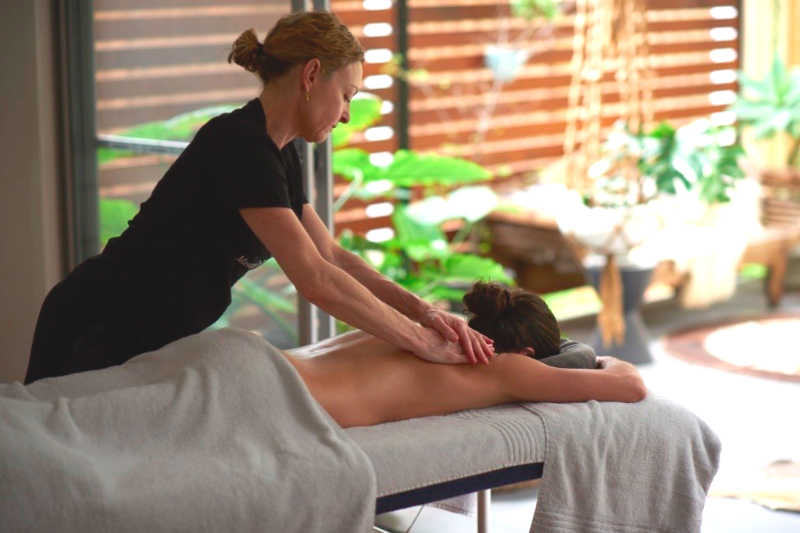
Sleep disorders affect millions of Americans, with insomnia remaining a leading health concern. Data from the National Center for Complementary and Integrative Health indicates that approximately 30% of adults experience acute insomnia symptoms, while 10% suffer from chronic insomnia disorder. Therapeutic massage provides an evidence-based, drug-free intervention that resolves sleep disturbances by targeting neurological, hormonal, and musculoskeletal pathways simultaneously.
Professional bodywork stimulates the release of sleep-inducing neurotransmitters, activates the parasympathetic nervous system, and reduces elevated cortisol levels that disrupt healthy circadian cycles. HomeMassage brings licensed, insured therapists directly to your door for a tailored in-home massage NYC appointment at your apartment, private home, hotel suite, or corporate office across Manhattan, Brooklyn, Queens, The Bronx, and Staten Island, with appointments available seven days a week from 07:00 to 21:00 (minimum 3 hours advance booking).
How Massage Therapy Can Help Improve Rest
Massage therapy improves rest by calming the autonomic nervous system, lowering stress hormones, and stimulating sleep-inducing neurotransmitters. Clinical research demonstrates that systematic soft-tissue manipulation produces measurable physiological shifts that shorten sleep latency and deepen slow-wave rest. A clinical study in the International Journal of Neuroscience confirms that participants receiving regular massage therapy experience marked improvements in sleep quality, faster sleep onset, and fewer nocturnal disturbances.
These restorative mechanisms operate across neurochemical, muscular, and endocrine systems to alleviate chronic physical tension and realign natural biological rhythms.
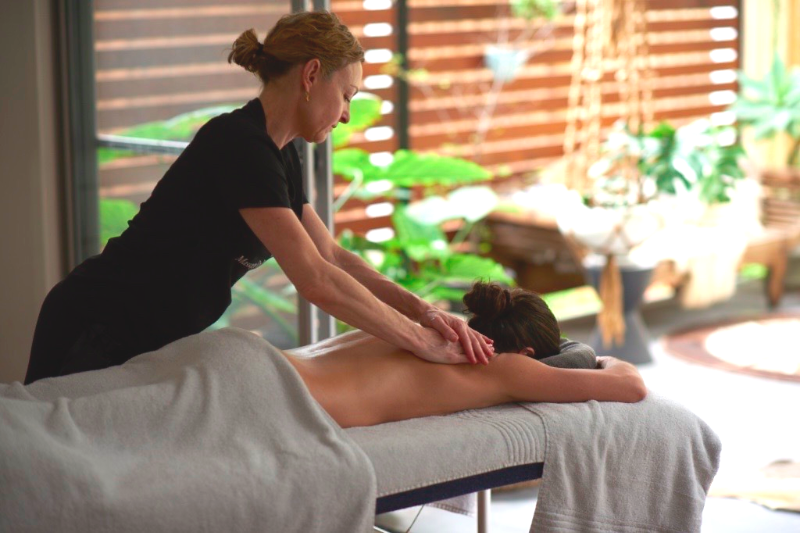
Boosting Serotonin alongside Melatonin Production
Massage therapy directly stimulates the synthesis of serotonin and dopamine, two essential neurotransmitters responsible for mood stabilization and circadian regulation. Clinical research from the Touch Research Institute at the University of Miami Miller School of Medicine indicates that massage therapy increases serotonin levels by an average of 28% and dopamine levels by 31%.
Serotonin acts as the mandatory chemical precursor to melatonin, the pineal gland hormone that governs the sleep-wake cycle. Elevated serotonin synthesis supports optimal melatonin conversion, delivering clear restorative benefits:
- Accelerating natural sleep onset latency
- Extending restorative rapid eye movement (REM) and deep slow-wave stages
- Minimizing frequent nighttime awakenings
- Enhancing overall morning alertness and subjective sleep satisfaction
Activating Our Vagus Nerve and Parasympathetic System
Targeted tactile stimulation activates the vagus nerve, triggering the parasympathetic nervous system to transition the body from a state of hyperarousal into deep physiological rest. Stimulating vagal tone down-regulates sympathetic fight-or-flight signaling, making massage for stress relief an effective countermeasure against anxiety-induced insomnia.
Research published in the Journal of Clinical Medicine demonstrates that massage-induced vagal stimulation produces measurable somatic responses:
- Decreasing elevated resting heart rate
- Lowering systolic and diastolic blood pressure
- Slowing respiratory rate for cellular oxygenation
- Promoting healthy gastrointestinal digestive activity
- Stabilizing autonomic emotional regulation
Interrupting Your Stress-Rest Cycle
Therapeutic bodywork interrupts the chronic stress-rest cycle by decreasing circulating cortisol levels while elevating relaxing neurohormones. When chronic stress keeps cortisol elevated into the evening, natural melatonin synthesis stalls, causing restless sleep and subsequent fatigue. Understanding the connection between massage and cortisol highlights how targeted pressure can reduce cortisol by up to 30% while increasing oxytocin production.
A clinical trial published in the International Journal of Therapeutic Massage & Bodywork demonstrated that recipients of weekly therapeutic massage experienced:
- Measurable reductions in perceived stress and somatic tension
- Substantial reductions in sleep onset latency
- Prolonged nocturnal sleep maintenance without early awakenings
- Higher morning energy reserves and enhanced daytime focus
Effective Pressure Points for Slumber and Relaxation
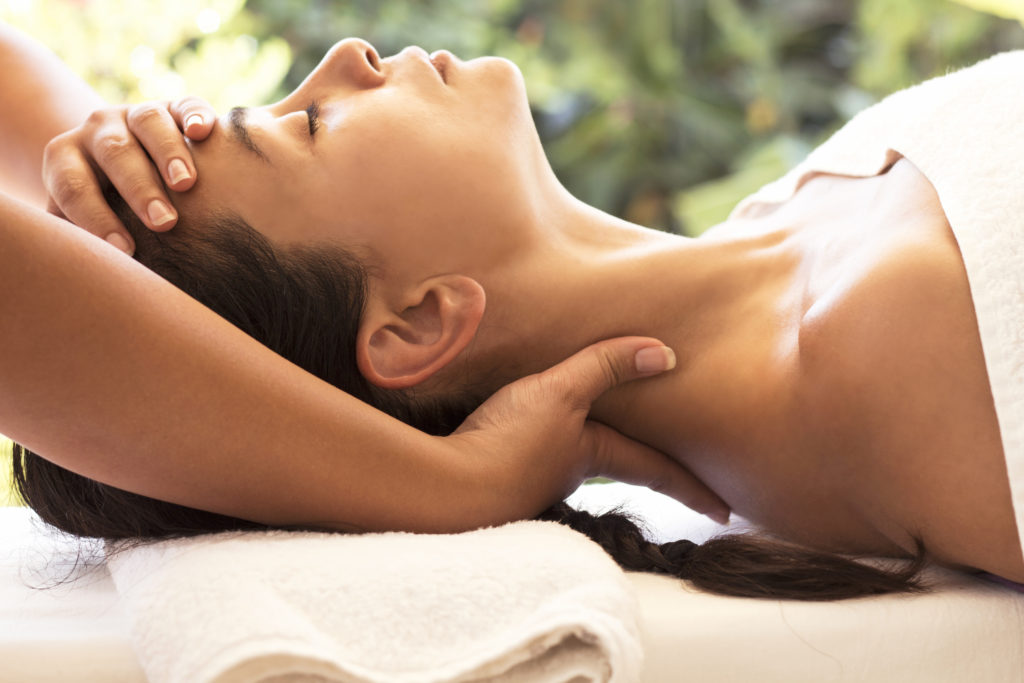
Acupressure points promote restorative slumber by releasing localized physical tension and balancing meridian energy flow throughout the body. Integrating focused pressure point techniques into a professional massage session calms sensory overload and prepares the central nervous system for continuous rest.
Spirit Gate (HT7)
The Spirit Gate (HT7), or Shen Men, is located on the transverse crease of the wrist, in the depression on the radial side of the flexor carpi ulnaris tendon, aligned with the little finger. Within traditional meridian systems, this point connects to the Heart meridian, governing emotional tranquility and mental composure.
Applying steady circular pressure for 30 to 60 seconds serves as an effective element of massage therapy for anxiety, settling nervous palpitations, easing racing thoughts, and cultivating steady physical relaxation.
An Mian
The An Mian pressure point specifically induces peaceful slumber and is located behind the ear, in the soft depression between the mastoid process and the base of the skull. The name An Mian translates directly to "Peaceful Sleep," making it a primary point for managing chronic insomnia and restlessness.
Targeted acupressure on An Mian produces distinct sedative benefits:
- Inducing rapid physical and mental relaxation
- Suppressing nocturnal overthinking and cognitive chatter
- Deepening slow-wave delta sleep cycles
- Decreasing tossing and turning during initial sleep transitions
Three Yin Intersection (SP6)
The Three Yin Intersection (SP6), or San Yin Jiao, sits approximately 3 finger-widths (about 5 cm / 2 inches) above the tip of the inner ankle bone on the posterior border of the tibia. This junction connects three major yin meridians: the Spleen, Kidney, and Liver. Note: SP6 is contraindicated during pregnancy prior to week 37 due to its labor-stimulating properties.
Stimulating SP6 supports sleep through several physiological actions:
- Supporting hormonal and endocrine equilibrium
- Easing gastrointestinal cramping and abdominal discomfort
- Releasing chronic tension in the lower limbs and calves
- Calming overall central nervous system excitability
Bubbling Spring (KD1)
The Bubbling Spring (KD1), or Yong Quan, is situated on the sole of the foot, approximately one-third of the distance from the base of the toes toward the heel, in the central depression formed when flexing the foot. As the first point on the Kidney meridian, KD1 serves to draw excess heat and cerebral tension downward.
Therapeutic stimulation of KD1 yields tangible calming effects:
- Relieving nervous restlessness and foot fatigue
- Stimulating peripheral blood circulation toward the extremities
- Promoting a grounded, tranquil state of physical awareness
- Acting as an organic sedative trigger prior to sleep
Yin Tang
The Yin Tang pressure point resides directly between the eyebrows at the glabella, serving as an extraordinary meridian point that soothes the spirit and settles the mind.
Consistent stimulation of Yin Tang delivers rapid relief:
- Reducing acute sensory stress and mental exhaustion
- Easing tension headaches and peri-orbital eye strain
- Relieving furrowed brow tightness from computer screen fatigue
- Facilitating steady, rhythmic breathing suited for sleep
Best HomeMassage Services in NYC for Insomnia Relief
HomeMassage delivers customized in-home therapeutic modalities across New York City to address the underlying muscular and neurological causes of insomnia. Licensed Massage Therapists arrive equipped with a professional portable table (76 cm / 30 in wide by 185 cm / 73 in long), fresh linens sanitized at 60°C (140°F), and hypoallergenic nut-free oils by default, or specialized essential oils for massage upon request.
Swedish Massage Service for Deep Relaxation
Professional Swedish Massage utilizes the 5 classical European strokes—effleurage (long gliding strokes), petrissage (kneading), friction, tapotement, and vibration—to quiet sympathetic hyperactivity and promote full-body circulation. This modality applies light to moderate pressure (levels 2 to 3 on a 1-to-5 scale), making it an optimal starting choice for individuals sensitive to firm touch or experiencing elevated stress levels.
Therapists adjust pacing and stroke depth based on individual sleep patterns and muscle tension, delivering full therapeutic table time across 60-minute ($155), 90-minute ($215), or 120-minute ($280) sessions. By increasing peripheral blood flow and lowering systemic vascular resistance, our in home swedish massage nyc sessions encourage smooth transitions into slow-wave rest through proven swedish massage techniques.
Deep Tissue Massage Service for Pain-Induced Insomnia
Premier Deep Tissue Massage targets chronic postural tension, restrictive adhesions, and deep myofascial trigger points that cause physical discomfort and wakefulness during the night. Therapists utilize deliberate stripping strokes and sustained cross-fiber friction with firm pressure (levels 4 to 5 on a 1-to-5 scale) across 60-minute ($175), 90-minute ($245), or 120-minute ($315) sessions.
Clinical applications address the root causes of nocturnal awakenings:
- Relieving chronic lower back pain, piriformis syndrome, and sciatica
- Easing persistent neck, trapezius, and upper shoulder tightness from desk work
- Alleviating myofascial tender points associated with fibromyalgia
- Accelerating musculoskeletal recovery following intense athletic training
A study by Majchrzycki et al. published in The Scientific World Journal revealed that deep tissue bodywork significantly reduces chronic low back pain scores and improves functional mobility, allowing patients to achieve uninterrupted sleep without postural discomfort.
Prenatal Massage Service for Pregnancy Rest Support
Professional Prenatal Massage provides safe, specialized relief for expectant mothers experiencing sleep disruption from week 13 of pregnancy through term. HomeMassage therapists complete at least 24 hours of dedicated prenatal coursework, utilizing side-lying positioning with specialized pregnancy body cushions to support the spine, belly, and hips without abdominal pressure. Flat supine positioning is avoided after week 20 to prevent inferior vena cava compression.
Gentle, targeted techniques (pressure levels 1 to 3) resolve common prenatal sleep barriers:
- Alleviating sacroiliac joint strain, hip discomfort, and lower back ache
- Easing nocturnal calf cramps and restless leg sensations
- Reducing dependent edema in the feet and ankles through gentle lymphatic strokes
- Lowering gestational anxiety and stabilizing parasympathetic breathing
Prenatal sessions are available in 60-minute ($170) and 90-minute ($235) options. Expectant mothers with high-risk conditions (such as preeclampsia or placenta previa) provide written medical clearance from their OB-GYN or midwife before treatment.
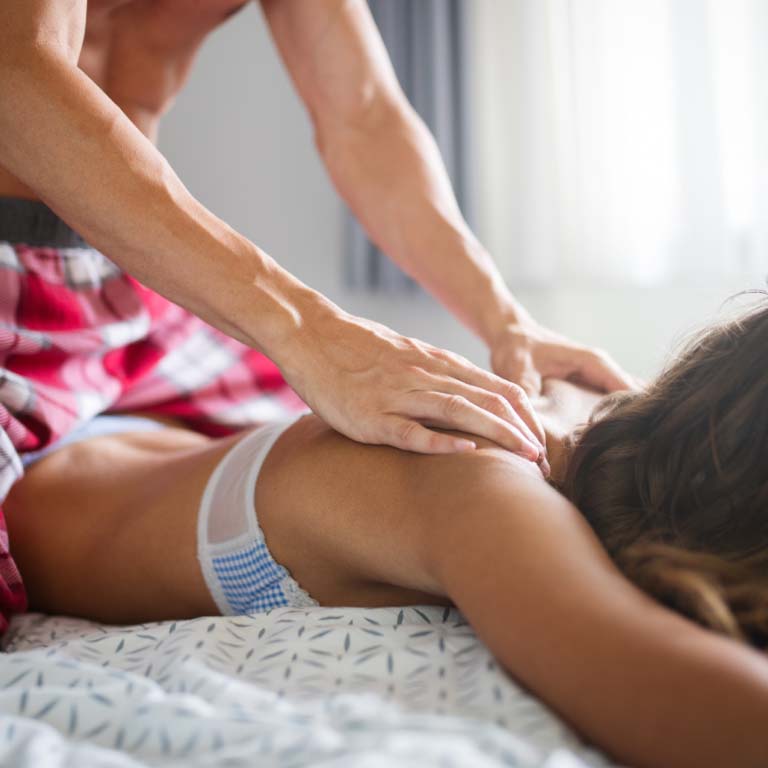
Simple Self-Massage Techniques Before Bed
Simple self-massage techniques performed for 10 to 15 minutes before bed provide effective nightly maintenance between professional sessions. These targeted routines reduce somatic tension and signal to the brain that it is time for restorative sleep.
Foot Massage and Reflexology
Bedtime foot massage stimulates key reflex zones that correlate neurologically with relaxation centers throughout the body. A 2017 study published in Applied Nursing Research confirmed that foot reflexology improved sleep quality scores by 40% in adults suffering from persistent sleep disturbances.
Follow this nightly 5-minute foot routine:
- Apply a dime-sized amount of unscented lotion or oil across the sole and dorsal surface
- Work circular thumb compressions across the arch and midfoot to release plantar fascia tension
- Press firmly into the center of the heel for 15 seconds to support adrenal and pelvic relaxation
- Apply gentle kneading pressure to the base of the big toe to ease mental fatigue
- Finish with upward, soothing strokes from the toes toward the ankle to encourage venous return
Head and Face Massage
Gentle head and facial massage releases residual jaw clenching, eases ocular fatigue, and quietens mental hyperactivity before lying down. Relieving tension in the temporalis and masseter muscles reduces nocturnal teeth grinding (bruxism) and tension headaches.
Perform this simple sequence while sitting comfortably:
- Trace gentle circular fingertip motions over the temples with light, steady pressure
- Knead small circles across the scalp from the hairline back toward the occiput
- Apply steady thumb pressure to Yin Tang between the eyebrows for 30 seconds while breathing deeply
- Press along the jawline and masseter muscles to release clenching habits
- Conclude with downward strokes along the sides of the neck toward the collarbones
Common Questions About Massage for Sleep
Common questions regarding massage therapy for sleep address scientific research findings, secondary relaxation benefits, and nocturnal neurological shifts.
What Does Research Say About Massage for Insomnia?
Clinical research confirms that massage therapy significantly reduces sleep latency, increases total sleep duration, and elevates overall rest quality in adults with insomnia. A comprehensive meta-analysis in Sleep Medicine Reviews evaluating 19 randomized controlled trials with 1,299 participants demonstrated statistically significant improvements on the Pittsburgh Sleep Quality Index (PSQI). Furthermore, a systematic review in the International Journal of Nursing Studies confirmed that regular massage therapy decreases daytime sleepiness, shortens nocturnal wakefulness, and promotes deeper slow-wave sleep cycles across diverse adult populations.
Does Massage Help Sleep Even If Not Specifically for Insomnia?
Yes, massage therapy substantially improves sleep quality as a secondary health benefit, even when individuals receive treatments for unrelated conditions. The American Massage Therapy Association (AMTA) reports that 93% of individuals receiving therapeutic massage for conditions such as chronic back pain, sports rehabilitation, or headaches experience deeper, more restorative sleep as a secondary outcome. Resolving localized musculoskeletal discomfort naturally lowers nocturnal awakenings and sympathetic nervous arousal.
How Does Massage Change Brain Waves?
Massage therapy alters brain wave activity by shifting high-frequency beta waves into slow, synchronous alpha and theta waves that induce relaxation and deep sleep. Research from the Mayo Clinic highlights that tactile stimulation reduces alert, stressed beta-wave frequencies (13 to 30 Hz) while elevating calm alpha (8 to 12 Hz) and drowsy theta (4 to 7 Hz) rhythms. These electroencephalographic shifts persist for hours post-session, paving the way for seamless transitions into delta-wave sleep throughout the night.
Book a Professional Home Massage Service for Restoring Your Rest
HomeMassage delivers licensed in-home massage therapy directly to your home, hotel room, or corporate office across Manhattan, Brooklyn, Queens, The Bronx, and Staten Island. Every session is conducted by a New York State-licensed massage therapist who brings a sanitized portable table, clean linens washed at 60°C (140°F), and nut-free oils.
Appointments are available daily from 07:00 to 21:00 with a minimum of 3 hours advance notice. Schedule your insomnia relief session today to experience restorative sleep without leaving home.
HomeMassage NYC
106 W 32nd St, New York, NY 10001, USA (Administrative dispatch and training center; treatments delivered 100% mobile to your location)
Phone: +1 (917) 426-9100
Email: [email protected]
Website: https://homemassagenyc.com