Joint inflammation impairs physical mobility and causes persistent discomfort for millions of individuals. In New York City, residents managing chronic arthritis and joint stiffness rely on therapeutic bodywork as an effective, non-invasive approach to pain management. Choosing an in-home mobile massage NYC service delivers customized clinical care directly to your residence, eliminating the physical strain of traveling across the city.
Does Bodywork Help Joint Pain?
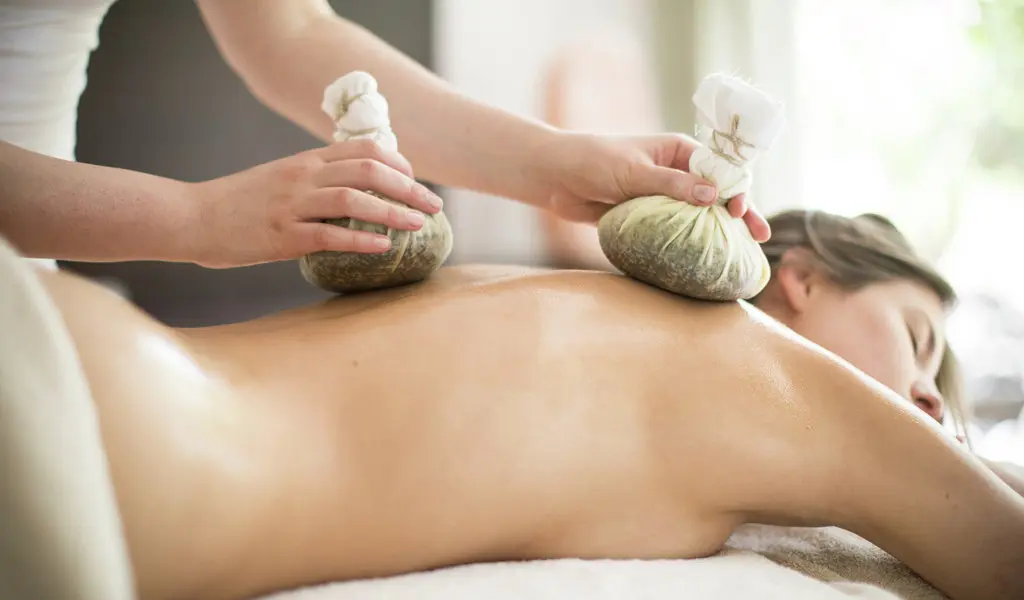
Yes, manual therapy provides measurable relief for joint pain and inflammatory symptoms. Clinical research demonstrates that targeted manual bodywork stimulates subcutaneous pressure receptors, enhances local blood flow to periarticular tissues, and expands functional range of motion. A clinical trial published in 2017 confirmed that adults with knee osteoarthritis who received regular swedish massage benefits achieved meaningful pain reduction and significant mobility improvements over an 8-week period.
Medical professionals recognize clinical bodywork as an evidence-based complementary modality that functions through 4 primary physiological mechanisms:
- Stimulating subcutaneous mechanoreceptors and large-diameter nerve fibers to inhibit pain transmission
- Decreasing circulating inflammatory cytokines, such as interleukin-6 (IL-6) and tumor necrosis factor-alpha (TNF-alpha)
- Enhancing microcirculation and lymphatic drainage to deliver oxygen and essential nutrients to periarticular tissues
- Facilitating the systemic release of endorphins, serotonin, and dopamine to naturally diminish central pain perception
Key Benefits of Manual Therapy for Inflammation Symptoms
Reducing Joint Pain alongside Inflammation
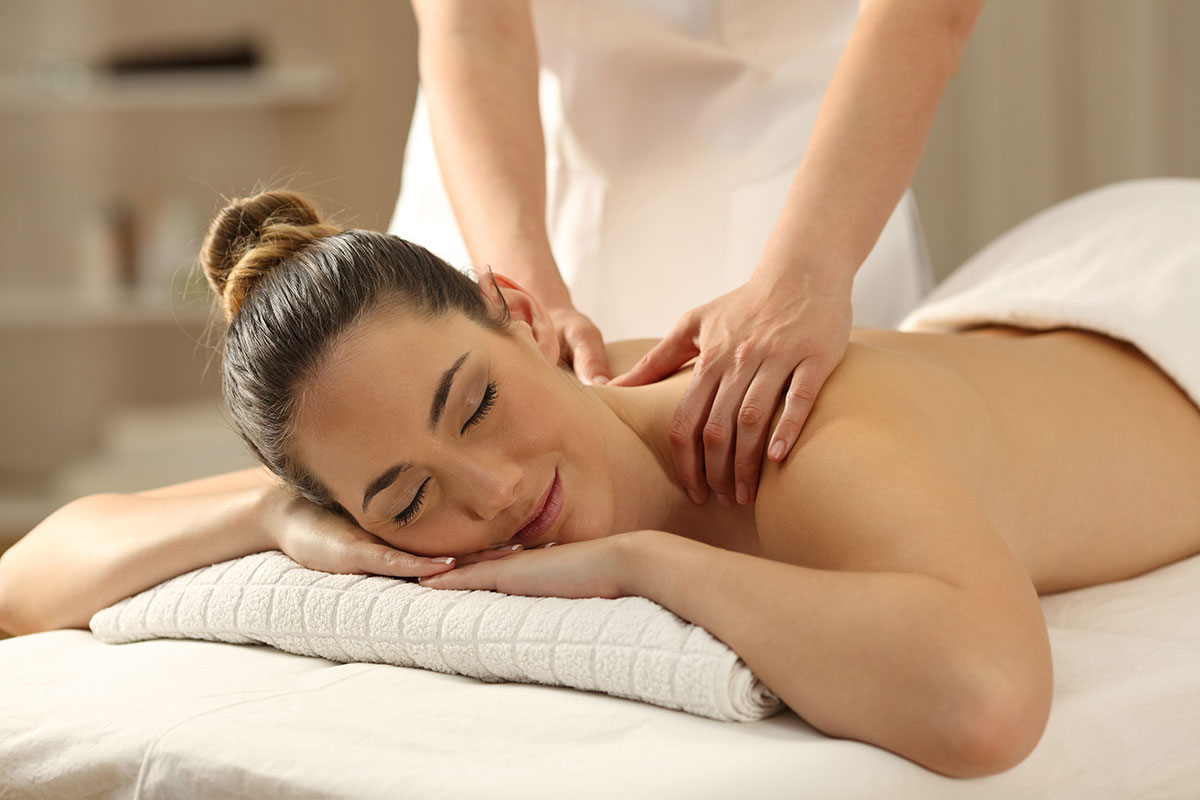
Manual therapy reduces joint pain and inflammation by downregulating nociceptive signaling and modulating inflammatory biomarkers. The moderate pressure applied during clinical bodywork stimulates cutaneous nerve pathways that block pain signals to the brain, following the gate control theory of pain management. For individuals navigating persistent spinal stiffness, a targeted back pain relief massage alleviates compensatory muscle tension and interrupts chronic neuromuscular pain cycles.
Clinical studies show that structured massage sessions decrease pro-inflammatory cytokines in synovial tissues while promoting anti-inflammatory activity. This dual biochemical response decreases symptom intensity and shortens flare duration for both osteoarthritis and rheumatoid conditions.
Improving Range of Motion plus Mobility
Therapeutic bodywork improves range of motion and joint mobility by releasing soft tissue adhesions and lengthening hypertonic muscle groups. Chronic joint inflammation causes surrounding muscles to contract protectively, forming scar tissue and limiting articulation. Receiving a clinical improve circulation massage accelerates nutrient delivery to these strained periarticular structures, expediting tissue recovery.
Clinical research demonstrates that patients receiving weekly manual therapy protocols experience significant functional improvements:
- Achieving an average 23% improvement in joint flexibility and articular range within 8 weeks
- Performing daily functional tasks, such as stair climbing and walking, with reduced physical resistance
- Shortening morning joint stiffness duration from over 60 minutes to under 25 minutes
- Elevating standardized physical mobility scores and functional independence ratings
Alleviating Stress plus Mental Health Impacts
Manual therapy alleviates psychological stress and chronic pain fatigue by downregulating the sympathetic nervous system. Persistent joint discomfort elevates systemic cortisol levels, which in turn tightens muscles and exacerbates pain perception. Therapeutic touch initiates parasympathetic activation, decreasing salivary cortisol while increasing serotonin and dopamine production.
Individuals managing chronic joint conditions who receive consistent bodywork report meaningful emotional and physical gains:
- Decreased symptom-related anxiety and perceived pain distress
- Improved restorative sleep duration and sleep quality scores
- Enhanced daily energy levels and emotional well-being
- Strengthened stress resilience and positive psychological coping mechanisms
Best Types of Therapy for Pain Relief
Swedish Service for Relaxation with Circulation
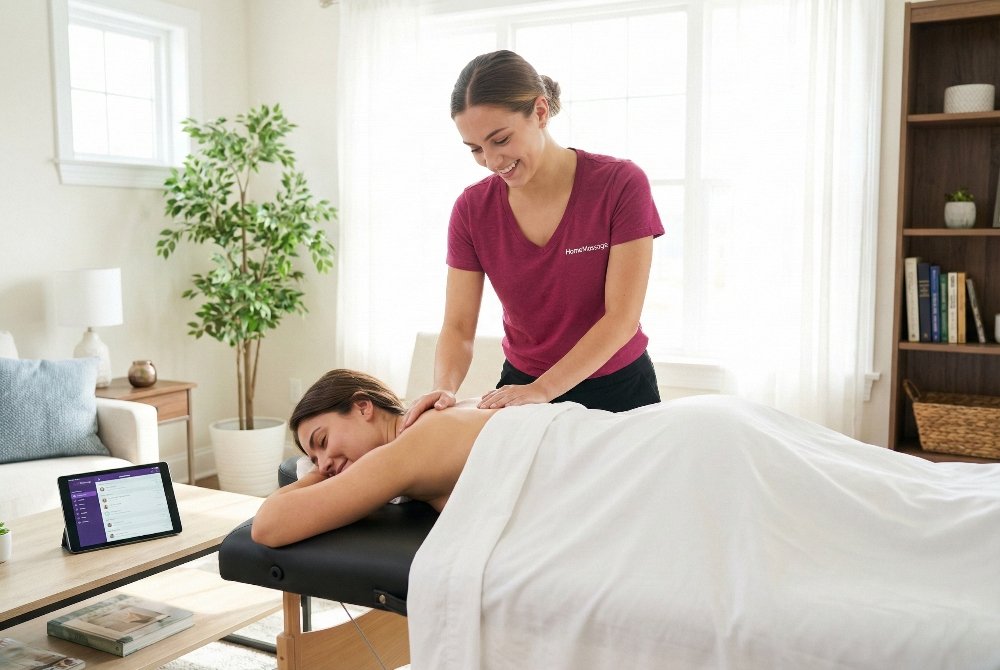
Swedish massage utilizes long, flowing effleurage strokes with light-to-moderate pressure (levels 2–3 on a 1–5 scale) to ease joint sensitivity and enhance circulation without irritating inflamed joint capsules. The continuous rhythmic strokes mobilize stagnant fluid and support lymphatic drainage, alleviating periarticular puffiness.
Swedish techniques serve as an ideal modality for individuals new to professional bodywork or those experiencing mild, chronic arthritic stiffness requiring a soothing approach.
Deep Tissue Service for Chronic Muscle Tension
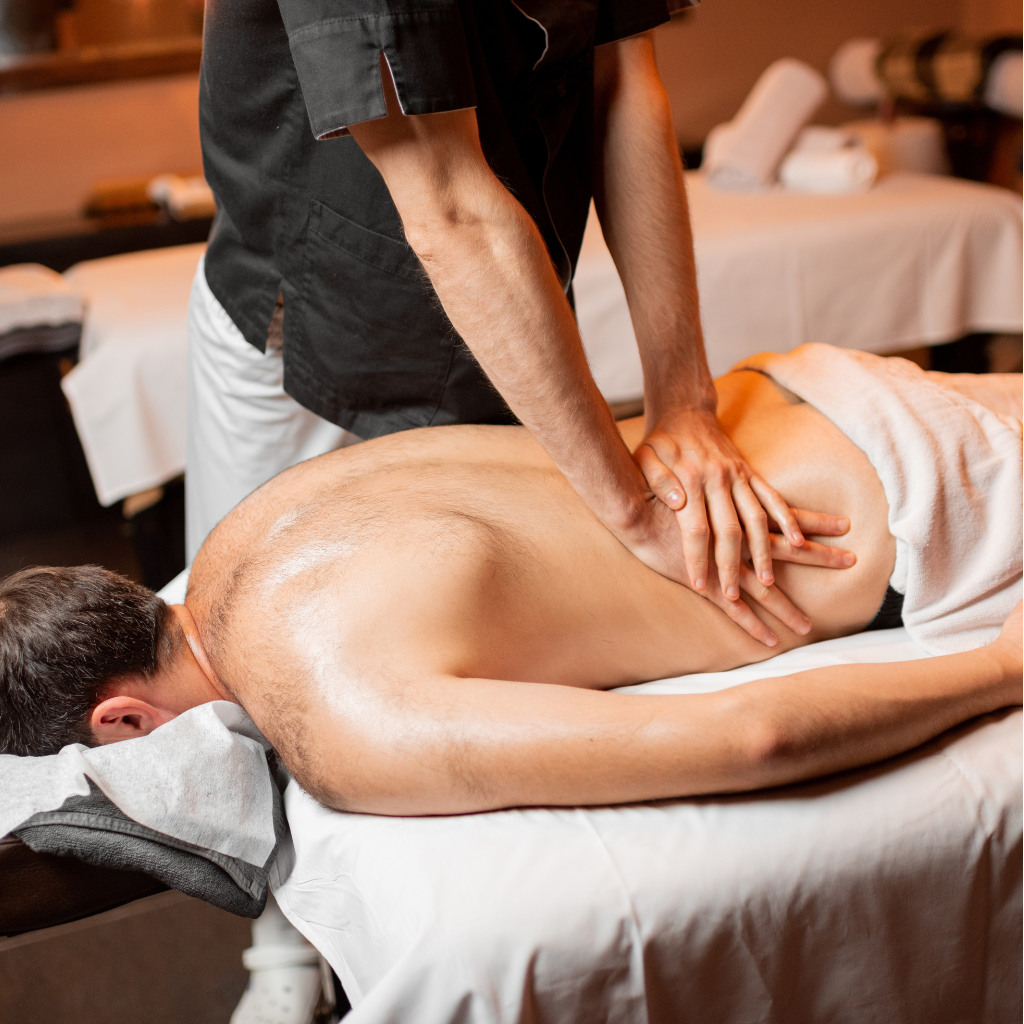
Deep tissue massage relieves chronic muscle tension by targeting deeper musculature and dense fascia surrounding compromised joints. Chronic pain often forces surrounding muscles into prolonged compensatory bracing. If you require focused myofascial work, a specialized deep tissue massage nyc session releases stubborn neuromuscular adhesions and restores healthy movement patterns.
Key clinical benefits include:
- Releasing hypertonic muscle knots and chronic adhesions around joint capsules
- Restoring functional joint alignment across weight-bearing kinetic chains
- Minimizing referred pain patterns that mimic joint degeneration
- Restoring elasticity and compliance to dense periarticular connective tissues
Deep tissue protocols apply sustained pressure (levels 4–5 on a 1–5 scale) and require skilled practitioners experienced with inflammatory conditions to protect sensitive joint structures from excessive mechanical force.
Sports Service for Active Joints
Sports massage maintains joint biomechanics and functional movement patterns for active individuals managing articular wear and stiffness. While some people wonder is sports massage for everyone, this modality is highly beneficial for non-athletes experiencing degenerative joint stiffness. Practitioners utilize passive mobilization, transverse friction, and proprioceptive neuromuscular facilitation (PNF) stretching.
Core elements of this modality include:
- Pre-activity protocols designed to stimulate synovial fluid circulation and joint lubrication
- Post-activity recovery treatments that clear metabolic waste and reduce delayed onset muscle soreness (DOMS)
- Targeted injury prevention strategies addressing kinetic chain imbalances and tendon tension
- Functional stretching protocols that preserve range of motion across active joints
This structured athletic modality operates at pressure levels 3–5, helping you maintain an active lifestyle while minimizing joint strain.
Myofascial Release with Trigger Point Therapy
Myofascial release addresses collagenous restrictions that form within the fascial matrix surrounding inflamed joints, using sustained pressure to restore tissue compliance. Trigger point therapy targets localized hyperirritable nodules in taut skeletal muscle bands that project referred pain into joint spaces.
Deactivating these neuromuscular trigger points delivers key functional outcomes:
- Diminishing referred pain patterns radiating into peripheral joints
- Normalizing reciprocal muscle inhibition and functional neuromuscular control
- Enhancing joint stability through balanced agonist and antagonist muscle tone
- Improving movement coordination and reducing compensatory strain during gait
HomeMassage practitioners routinely integrate myofascial release and trigger point techniques into customized Deep Tissue and Sports sessions to maximize localized joint relief.
Chair Service for Limited Mobility
Chair massage provides accessible, ergonomic treatment for clients who experience difficulty lying flat or transferring onto a massage table. Seated comfortably in a specialized ergonomic chair weighing approximately 9 kg (20 lb), you remain fully clothed while receiving targeted pressure to the cervical spine, shoulders, upper back, and arms without using massage oils.
Key therapeutic benefits include:
- Eliminating the need to lie prone, supine, or turn over during treatment
- Delivering focused treatment to cervical, trapezius, and shoulder regions commonly stiffened by arthritis
- Providing comfortable 10, 15, or 20-minute session intervals tailored to your physical tolerance
- Offering convenient on-site delivery for residential, office, and corporate wellness settings
Strategies for Specific Conditions
Therapy for Osteoarthritis of the Knee
Therapy for knee osteoarthritis focuses on relieving periarticular muscle guarding, diminishing joint effusion, and rebalancing the quadriceps-hamstring complex. Effective clinical strategies include:
- Applying gentle effleurage across the suprapatellar pouch and popliteal space to promote synovial fluid movement
- Performing trigger point release in the quadriceps femoris, hamstrings, and tensor fasciae latae
- Administering gentle lymphatic strokes directed toward regional lymph nodes to reduce joint swelling
- Guiding gentle passive range-of-motion mobilization to maintain articular freedom within comfortable limits
Clinical studies demonstrate that weekly therapeutic sessions for knee osteoarthritis can achieve a 40% reduction in pain severity and improve unassisted walking distances within 8 weeks.
Techniques for Rheumatoid Arthritis
Techniques for rheumatoid arthritis require conservative, gentle protocols designed to soothe inflamed tissues without provoking active inflammatory flares. If you experience radiating nerve discomfort secondary to spinal inflammation, a specialized sciatica relief massage can assist in calming peripheral nerve sensitivity along the lower extremity.
Clinical protocols for rheumatoid conditions emphasize non-aggressive care:
- Utilizing light effleurage strokes (pressure levels 1–2) during subacute periods, avoiding active flare sites
- Focusing on unaffected proximal muscle groups to induce general parasympathetic relaxation
- Applying gentle, passive mobilization within pain-free boundaries to alleviate morning stiffness
- Coordinating session intervals with your primary rheumatologist or medical management plan
Clinical trials indicate that integrating regular manual therapy with standard medical care can reduce morning stiffness duration by up to 35% in individuals managing rheumatoid conditions.
Targeted Relief for Hands and Feet
Targeted relief for hands and feet restores distal joint comfort through precise digit mobilization, intrinsic muscle stretching, and plantar compression. Specialized clinical techniques include:
- Performing gentle traction and passive mobilization for metatarsophalangeal and interphalangeal joints
- Applying measured pressure point stimulation across thenar, hypothenar, and plantar intrinsic muscles
- Executing delicate longitudinal stretching for tight lumbricals and interossei muscles
- Applying warm towel compresses combined with gentle manual strokes to facilitate localized blood flow
A study conducted by the Touch Research Institute at the University of Miami found that consistent hand therapy improved grip strength by 25% and reduced pain scores by 30% in individuals living with hand osteoarthritis.
Why Choose Home Service in New York City for Joint Care
HomeMassage delivers professional, evidence-based joint pain relief directly to your residence, hotel, or office across New York City. Operating as a 100% mobile service, our dispatch and therapist training center is located at 106 W 32nd St, New York, NY 10001 in Midtown Manhattan (administrative only; not a walk-in clinic). We eliminate the physical strain, transit stairs, and weather exposure of traveling across the city when joints are stiff.
Our NYC in-home therapeutic service features:
- 100% NYSED-Licensed Therapists: Every LMT is licensed by the New York State Education Department, carries a minimum of 2 years of clinical experience, holds at least $2,000,000 in professional liability insurance, and completes 40 hours of internal HomeMassage Standard training.
- Comprehensive Five-Borough Service: We serve Manhattan, Brooklyn, Queens, The Bronx, and Staten Island ($30 travel surcharge per booking), operating 7 days a week from 07:00 to 21:00.
- Hospital-Grade Hygiene Standards: Therapists bring portable massage tables, fresh linens laundered at 60°C (140°F), single-use face cradle covers, EPA-registered disinfectants, and hypoallergenic, nut-free, unscented massage oils.
- Personalized Clinical Modalities: Treatments are customized to your specific joint condition using standardized pressure scales (1–5) across Swedish, Deep Tissue, Sports, and Chair options.

Safety plus Precautions When Using Bodywork
Safe and effective manual therapy for joint conditions requires structured health screening, open communication, and careful clinical adjustments:
Medical Consultation: Always consult your physician or rheumatologist before beginning bodywork sessions, particularly during acute inflammatory flare-ups, when managing advanced osteoporosis, or while taking anticoagulant medications.
Therapist Communication: Complete your health intake form thoroughly and inform your LMT regarding:
- Your diagnosed condition type, affected joints, and current disease stage
- Current prescription medications, including blood thinners and corticosteroids
- Daily pain fluctuations, joint swelling levels, and localized morning stiffness
- Any recent joint aspiration, cortisone injections, joint replacements, or ligament instability
Treatment Modifications: Skilled bodyworkers adjust clinical techniques based on:
- Daily symptom variations and active flare cycles
- Localized joint inflammation, effusion, and skin integrity
- Individual pain tolerance measured on the 1–5 HomeMassage pressure scale
- Specific active and passive range-of-motion limitations
Warning Signs and Contraindications: Conclude the session and consult your physician immediately if you experience:
- Increased localized joint heat, rapid swelling, or visible cutaneous redness
- Severe or sharp radiating pain during or following manual pressure
- New joint instability or sudden inability to bear weight
- Systemic fever of 38°C (100.4°F) or higher, unexplained chills, or viral symptoms
HomeMassage practitioners maintain detailed, confidential health intake records and adhere to strict professional boundaries, ensuring every in-home session safely supports your joint health and mobility goals.
Experience professional joint relief with HomeMassage’s specialized therapeutic services throughout New York City. Our NYSED-licensed practitioners bring effective, customized pain management directly to your residence in Manhattan, Brooklyn, Queens, The Bronx, and Staten Island, available daily from 07:00 to 21:00. Book your session online at homemassagenyc.com or call +1 (917) 426-9100.