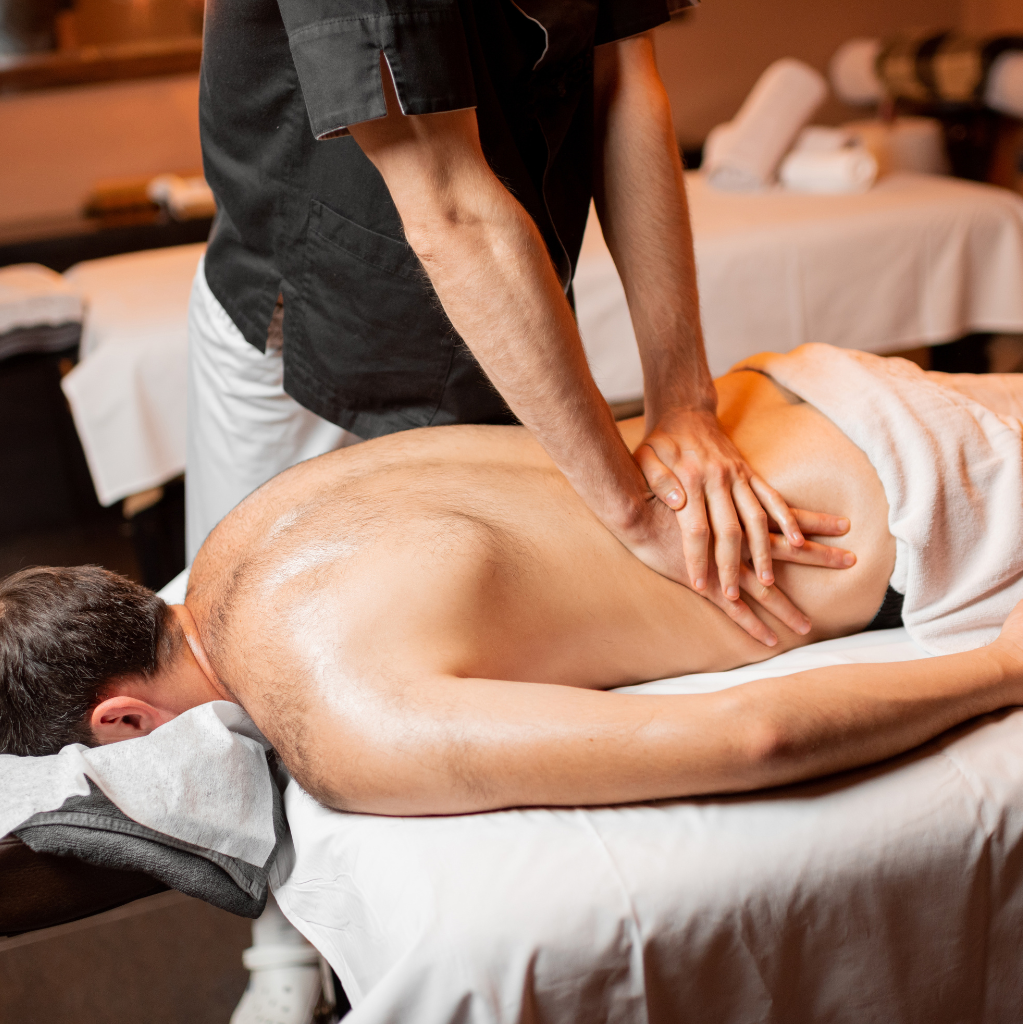
Sports therapy is a specialized manual modality engineered to optimize athletic performance, improve biomechanical efficiency, and accelerate soft tissue recovery through targeted manipulation. Unlike general relaxation treatments, this focused discipline directly addresses the mechanical stress, microtrauma, and neuromuscular fatigue caused by rigorous physical training or competition.
Professional athletes and active fitness enthusiasts across New York City routinely rely on sports massage nyc to maintain peak physical condition while mitigating injury risk. By targeting primary functional muscle groups, licensed therapists integrate deep tissue manipulation, active myofascial release, and neuromuscular trigger point therapy to restore optimal muscular compliance.
What Is Sports Therapy and How Does It Support Recovery?
Sports therapy is a focused form of therapeutic bodywork designed to alleviate muscular tension, restore joint mobility, and accelerate cellular repair in tissues subjected to repetitive athletic stress. Licensed massage therapists (LMTs) employ targeted techniques, including effleurage, petrissage, deep transverse friction, and tapotement, to break down adhesions, enhance capillary circulation, and expedite muscular rehabilitation.
The primary physiological mechanism driving this therapy is the significant increase in localized vascular and lymphatic circulation. Enhanced blood flow supplies damaged muscle fibers with essential oxygen and amino acids while systematically flushing out accumulated metabolic byproducts, such as hydrogen ions and inflammatory cytokines generated during strenuous physical exertion.
Clinical research published in peer-reviewed sports medicine journals demonstrates that post-exercise manual therapy can reduce perceived muscle soreness by up to 30% compared to passive rest protocols. Beyond immediate symptom reduction, structured bodywork increases joint range of motion, restores fascial gliding planes, and suppresses key inflammatory signaling markers within overworked muscle groups.
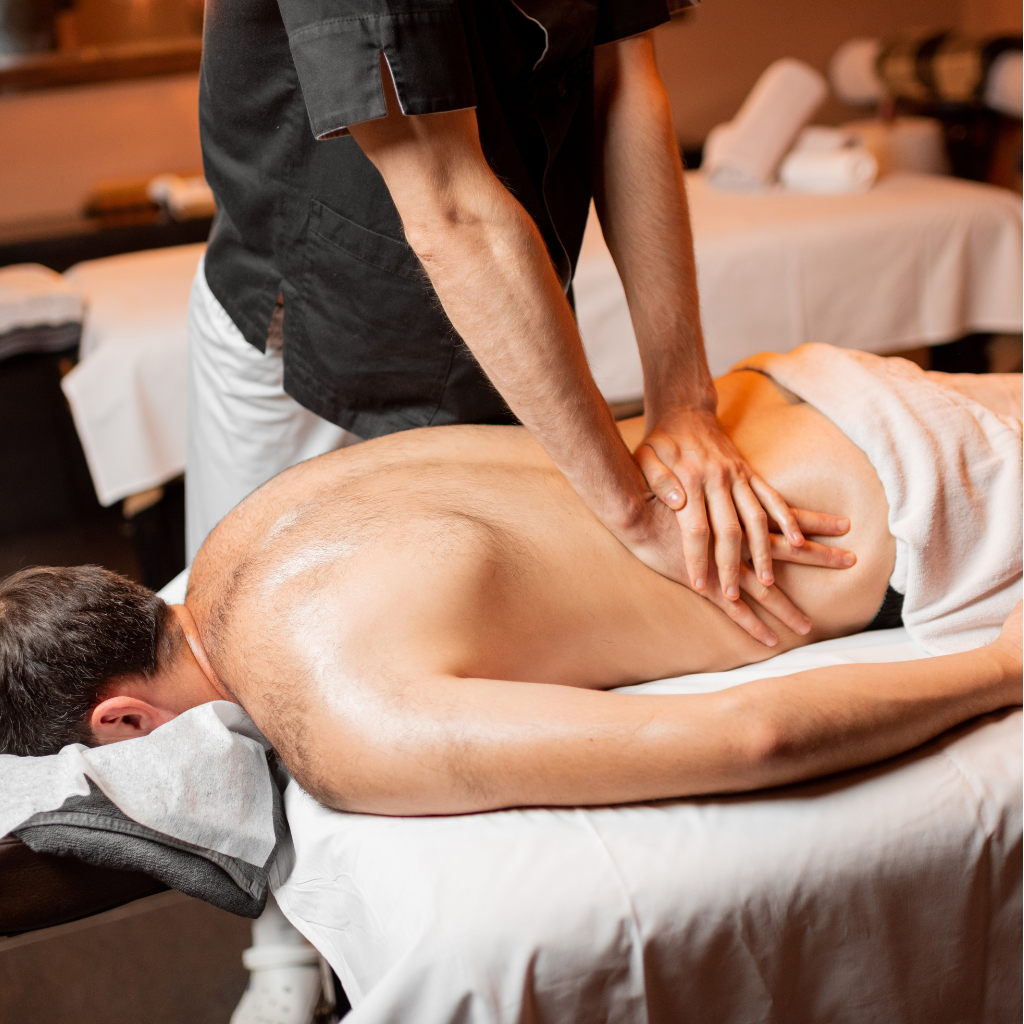
The Role of Bodywork in Sports Performance and Rehabilitation
Manual sports therapy plays a vital dual role in comprehensive athletic care by actively promoting performance optimization and structured injury rehabilitation. Systematically applying specialized soft tissue protocols addresses acute physical restrictions while serving as a reliable preventative measure against chronic musculoskeletal imbalances.
Reducing Delayed Onset Muscle Soreness (DOMS)
Delayed onset muscle soreness (DOMS) typically develops 24 to 72 hours after unaccustomed or high-intensity exercise due to microscopic myofibrillar tears. Targeted manual interventions significantly diminish DOMS severity through 4 primary physiological actions:
- Mechanical compression stimulates lymphatic drainage, accelerating the clearance of interstitial metabolic waste.
- Enhanced microvascular perfusion delivers vital anti-inflammatory nutrients directly to repairing muscle fibers.
- Neuromuscular trigger point deactivation disrupts pain-spasm cycles and reduces localized hyperalgesia.
- Myofascial loosening decreases passive tissue stiffness, restoring normal functional mobility.
Athletes receiving post-training bodywork experience up to 40% less severe muscular soreness than individuals relying entirely on unassisted recovery periods.
Improving Blood Flow and Lactate Clearance
Accelerating metabolic clearance is essential for maintaining consistent training output and expediting physical recovery. Athletic bodywork enhances this physiological process through mechanical manipulation techniques that induce localized vasodilation.
The rhythmic compression and broad strokes applied during a treatment session create a mechanical pumping effect within the muscular beds, assisting venous return and promoting rapid fluid exchange. Controlled trials indicate that a 20-minute manual therapy intervention improves localized clearance efficiency by 25% compared to complete passive immobility.
Elevated capillary blood flow also aids intramuscular glycogen resynthesis, allowing competitive athletes to sustain higher workloads across consecutive training days.
Enhancing Flexibility and Range of Motion
Dynamic muscle flexibility and unconstrained joint range of motion directly govern movement efficiency and sports injury prevention. Targeted bodywork addresses densified fascial layers and fibrous adhesions that restrict natural kinematics.
Key functional mobility benefits include:
- Targeted myofascial release breaks restrictive collagen cross-links to restore normal tissue slide.
- Elevated intramuscular temperature improves elastomeric compliance in tendons and connective tissues.
- Proprioceptive neuromuscular facilitation (PNF) techniques reset resting muscle spindle tone.
- Gentle passive joint mobilization enhances synovial fluid circulation and capsule elasticity.
Athletes incorporating consistent manual sessions into their periodized schedules demonstrate a 15% improvement in functional flexibility compared to those relying solely on static stretching routines.
Facilitating Injury Rehabilitation and Prevention
Targeted manual therapy serves as a core component within progressive athletic rehabilitation and pre-habilitation programs. The clinical approach corrects kinetic chain imbalances, relieves chronic compensatory loading, and supports structured tissue remodeling.
From a preventative standpoint, regular soft tissue palpation identifies localized hypertonicity and kinetic restrictions before microtrauma advances into debilitating tendinopathies or muscle strains. Early clinical intervention maintains neuromuscular integrity and prevents prolonged time away from active sport.
During rehabilitation, cross-fiber friction and progressive tension stimulate functional collagen alignment, reduce disorganized scar tissue formation, and restore tensile elasticity to healing muscle groups.
Timing Your Sessions: Pre-Event vs Post-Event Treatment
The strategic timing of athletic manual therapy determines its specific physiological impact on the musculoskeletal system. Practitioners vary stroke depth, velocity, and focus depending on whether an athlete is preparing for competition, recovering from intense exertion, or navigating mid-season training blocks.
Pre-Event Bodywork to Boost Performance
Pre-event bodywork focuses on stimulating neuromuscular pathways and increasing tissue perfusion rather than inducing deep structural relaxation. Sessions typically span 15 to 30 minutes, conducted 24 to 48 hours prior to an athletic event, emphasizing:
- Light to moderate compressive strokes (levels 2 to 3 on a 1–5 scale) that warm connective tissues without inducing post-treatment soreness.
- Rhythmic, rapid friction and gentle tapotement to heighten motor unit excitability and neuromuscular alertness.
- Targeted dynamic mobilization focused strictly on primary muscles engaged in the specific sport.
- Non-fatiguing joint mobilization to ensure full functional movement availability.
Standardized pre-event protocols can enhance immediate athletic power output by approximately 8% when administered prior to competition without exceeding neuromuscular tolerance thresholds.
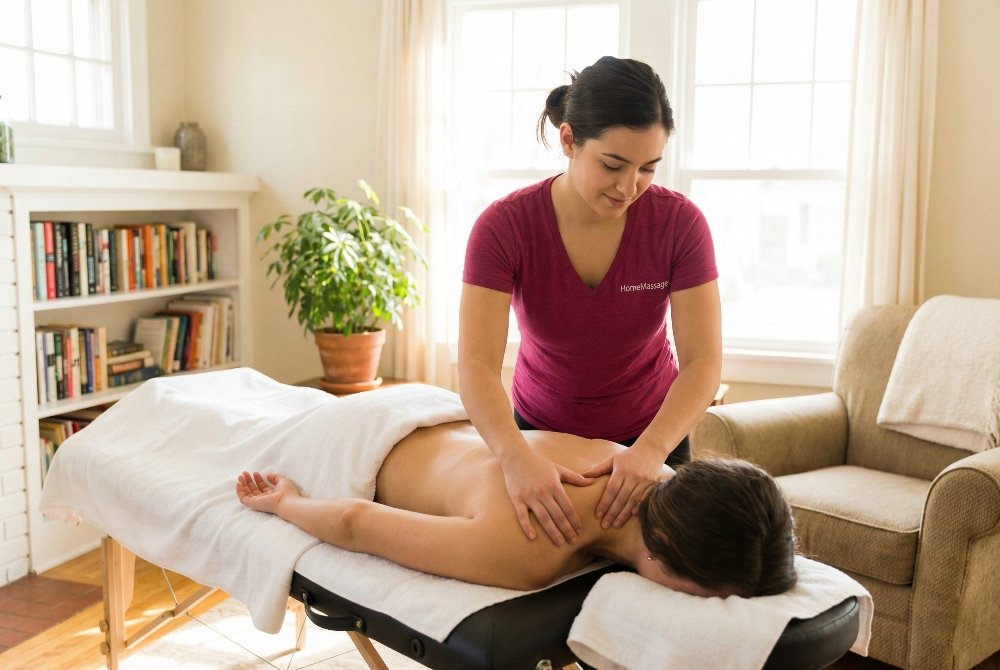
Post-Event Care for Faster Athletic Recovery
Post-event manual therapy prioritizes parasympathetic nervous system activation, muscle spasm reduction, and fluid drainage. These appointments are ideally scheduled 24 to 72 hours following exhaustive physical output, focusing on:
- Moderate compressive strokes and broad effleurage to support venous blood return and reduce fluid retention.
- Gentle petrissage to relieve acute protective muscle splinting.
- Precision trigger point deactivation to release localized focal hypertonicity.
- Passive elongating stretches to restore resting sarcomere length and relieve structural tightness.
Athletes receiving structured post-event therapy show a 35% faster restoration of baseline muscular contractile force compared to passive rest. This modality is particularly valuable for runners reserving a post marathon massage nyc to accelerate systemic recovery after grueling road races.
Maintenance Therapy during Training Cycles
Consistent maintenance sessions scheduled every 2 to 4 weeks provide sustained structural benefits throughout intensive training blocks. These scheduled visits prevent minor muscular tightness from hardening into chronic biomechanical dysfunctions.
Core maintenance benefits include:
- Systematic tension relief that prevents chronic fascial densification across high-mileage periods.
- Early detection of postural compensations before they compromise athletic mechanics.
- Accelerated muscular regeneration between strenuous interval or strength sessions.
- Preserved baseline joint articulation and muscle elasticity across heavy competitive seasons.
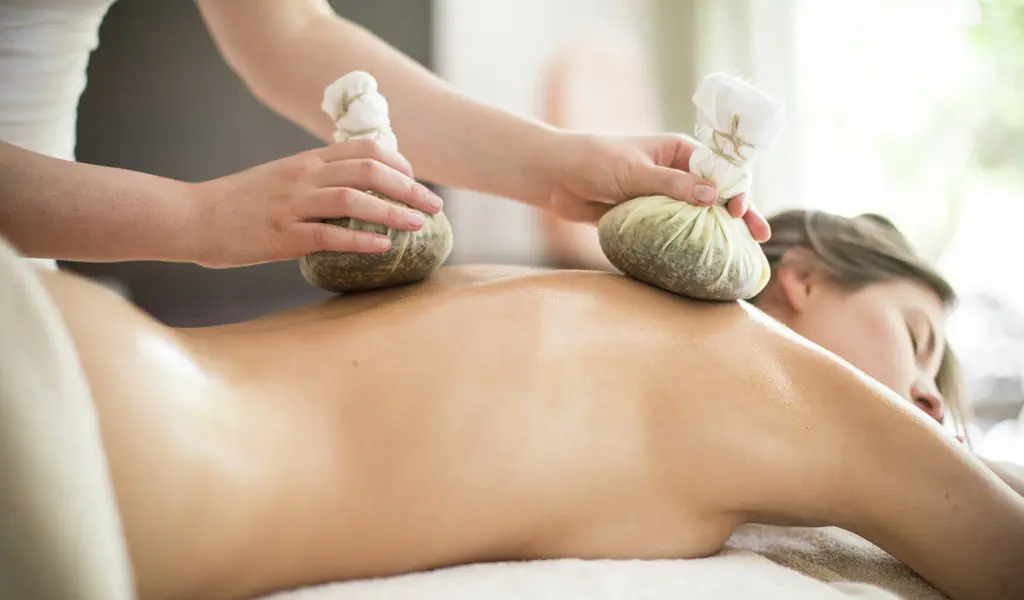
Comparing Athletic Therapy with Deep Tissue and Swedish Services
Distinguishing sports therapy from deep tissue bodywork and classic Swedish massage allows athletes to select the appropriate modality for their current training state and physiological requirements.
Sports massage incorporates elements from multiple modalities while remaining anchored to athletic performance, movement mechanics, and specific recovery windows. It adapts directly to training loads, functional movement patterns, and competitive scheduling demands.
When comparing sports massage vs deep tissue, both utilize firm pressure (levels 4 to 5 on a 1–5 scale). However, Premier Deep Tissue Massage Service focuses primarily on relieving chronic postural tension and releasing fascial adhesions across deeper muscular layers. In contrast, sports therapy incorporates kinetic assessments, active mobilization, and sport-specific biomechanical protocols.
Professional Swedish Massage Service utilizes light to moderate gliding strokes (levels 2 to 3 on a 1–5 scale) designed to calm the central nervous system, decrease systemic cortisol, and encourage general somatic relaxation. While beneficial for mental stress management, Swedish massage lacks the targeted biomechanical interventions required for athletic rehabilitation.
HomeMassage therapists hold New York State licenses and advanced clinical certifications, allowing them to customize specialized treatment protocols based on your specific training intensity and functional recovery goals.
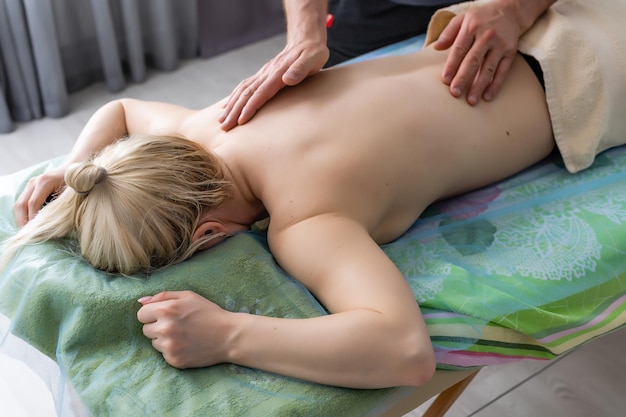
Comprehensive Home Service in New York City by HomeMassage
HomeMassage delivers licensed athletic therapy directly to private residences, hotels, and corporate offices across all 5 boroughs of New York City: Manhattan, Brooklyn, Queens, The Bronx, and Staten Island. Operating from 07:00 to 21:00 daily, our NYSED-licensed therapists arrive fully equipped with professional portable tables, fresh sanitized linens, and hypoallergenic, nut-free organic oils. Our dispatch and training office is situated at 106 W 32nd St, New York, NY 10001 (not an on-site treatment spa), ensuring 100% dedicated on-location mobile delivery.
The Convenience of Mobile Athletic Care in NYC
Urban athletes face demanding schedules where navigating public transit or traffic following hard training can counteract recovery benefits. HomeMassage provides premium in-home massage to keep your physical recovery seamless and stress-free.
Core service advantages include:
- Service across all 5 NYC boroughs, with same-day appointments scheduled with as little as 3 hours advance notice (Staten Island appointments include a flat $30 travel surcharge).
- 100% NYSED-licensed massage therapists with verified background checks and a minimum of $2,000,000 professional liability coverage.
- Complete equipment setup and breakdown completed within 10 to 15 minutes, never counted against your hands-on treatment time.
- Private, familiar recovery settings that allow immediate post-treatment rest without travel fatigue.
Receiving mobile athletic therapy at home eliminates post-massage transit stress, keeping your muscular and nervous systems in an optimal regenerative state.
Complementary Options: Prenatal, Couples, and Chair Services
In addition to specialized sports therapy, HomeMassage provides a versatile menu of 5 complementary in-home modalities delivered to the same exacting standards:
- Professional Prenatal Massage Service: Gentle, side-lying bodywork with specialized cushioning designed to safely relieve pregnancy-related pelvic and back tension from week 13 onward.
- Professional In-Home Couples Massage Service: Synchronized side-by-side sessions delivered by 2 dedicated LMTs for anniversaries, shared recovery, or home relaxation.
- Premier Chair Massage Service: Clothed, seated ergonomic neck and shoulder bodywork tailored for corporate offices, wellness fairs, and private events.
- Professional Swedish Massage Service: Classical full-body relaxation employing gentle effleurage to diminish stress hormones and enhance systemic circulation.
- Premier Deep Tissue Massage Service: Sustained vertical pressure targeting structural adhesions and chronic postural tension patterns.

How Often Should Athletes Receive Treatment for Optimal Results?
Recommended sports therapy frequency depends on your weekly training volume, injury background, and competitive objectives. Structuring your sessions around seasonal demands yields the greatest therapeutic benefit.
Standard recovery scheduling includes:
- Intensive Training Periods: 1 to 2 sessions per week to manage acute muscle tightness, maintain tissue compliance, and prevent cumulative microtrauma.
- Competition Phases: A light neuromuscular stimulation session 24 to 48 hours prior to race day, followed by deep recovery bodywork 24 to 72 hours post-event.
- Maintenance and Off-Season: Bi-weekly or monthly sessions focused on correcting postural compensation patterns and preserving baseline joint flexibility.
What Athletes Should Expect During Sessions
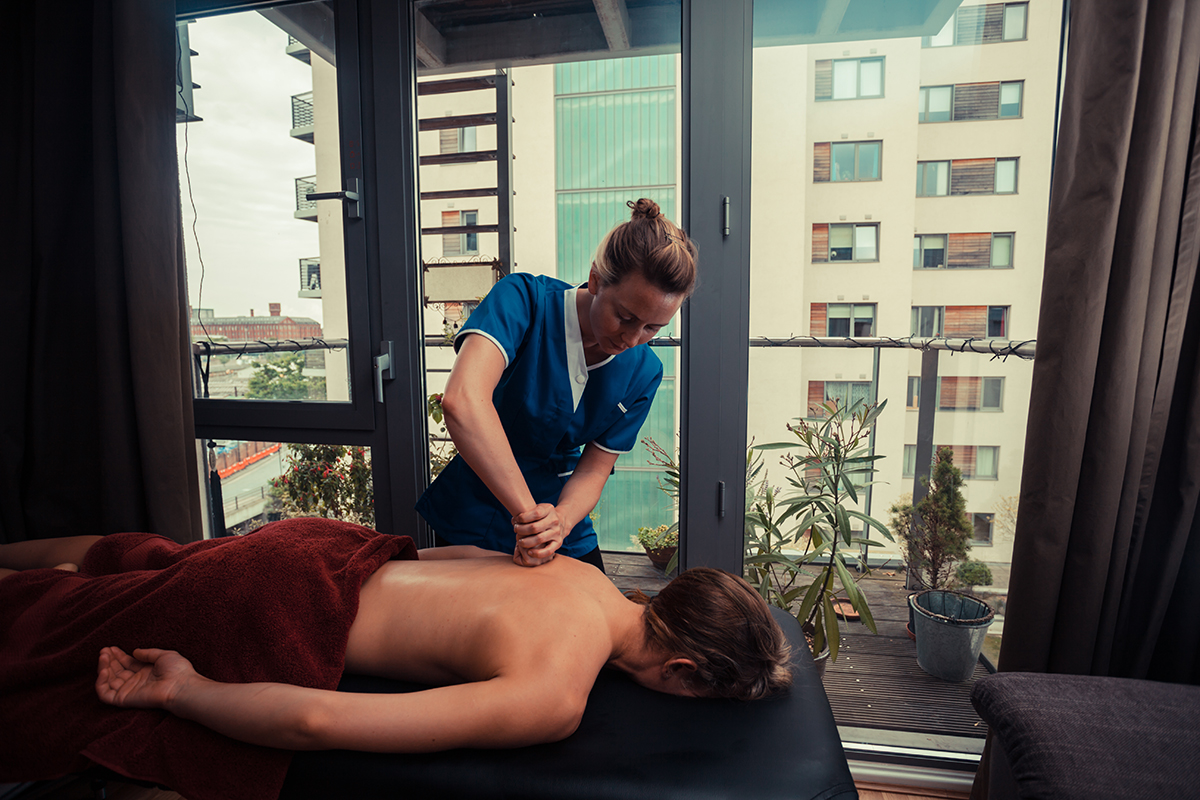
Every HomeMassage session begins with a focused intake screening to review your active training volume, recent injuries, and primary areas of muscular tightness. This clinical assessment directs technique selection to align with your sport’s physiological demands.
Treatment progresses from gentle tissue warming to targeted deep friction, trigger point therapy, and active joint mobilization. Therapists calibrate pressure continuously across a 1–5 intensity scale based on verbal feedback and tissue responsiveness. At the conclusion of your visit, your therapist provides hydration advice and tailored post massage stretches to preserve joint mobility.
Precautions and Contraindications for Athletic Bodywork
While sports therapy provides substantial physical benefits, certain medical conditions require technique modification or temporary postponement to safeguard client wellness.
Absolute contraindications that require deferring manual bodywork until full medical clearance is obtained include:
- Systemic infections, fever reaching 38°C (100.4°F) or above, or acute contagious skin conditions.
- Acute muscle tears, ligament sprains, or trauma sustained within the preceding 72 hours accompanied by severe inflammation.
- Diagnosed or suspected deep vein thrombosis (DVT), unhealed bone fractures, or advanced cardiovascular instability.
Relative contraindications involve adjusting treatment application or avoiding specific anatomical locations, such as localized contusions, controlled varicose veins, or surgical incisions healing within 6 weeks of operation. HomeMassage therapists evaluate contraindications thoroughly prior to each appointment to ensure safe, effective care.
Frequently Asked Questions
Can sports massage help with chronic pain management?
Yes, sports massage helps manage chronic pain by breaking continuous pain-spasm-pain reflex loops, releasing hyperirritable trigger points, and improving vascular perfusion to ischemic tissues. Consistent manual therapy restores fascial compliance and down-regulates localized nociceptive signaling.
How soon after injury can sports massage be safely performed?
Sports massage can safely begin 48 to 72 hours following an acute injury, once active inflammation has subsided and a healthcare professional has provided medical clearance. Early post-acute work utilizes gentle lymphatic drainage and superficial strokes around the injured area to stimulate circulation without disrupting regenerating fibers.
What should athletes do immediately following sports massage sessions?
Athletes should hydrate generously and rest for 2 to 4 hours immediately following a session. Consuming approximately 500 ml (17 fl oz) of water supports cellular hydration, and learning why drink water after massage explains how proper hydration assists metabolic waste clearance. Gentle walking and warm baths further encourage post-session muscle recovery.
Are there any differences between sports massage for different types of athletes?
Yes, sports massage protocols differ according to the biomechanical demands of each sport. Endurance runners receive techniques concentrated on lower-extremity circulation, hip mobility, and IT-band tension, whereas strength and overhead athletes benefit from focused trigger point release across the rotator cuff, latissimus dorsi, and pectoral complex.
Experience customized athletic recovery in the comfort of your own home. HomeMassage delivers licensed, fully equipped sports massage therapists directly to your residence, hotel, or office throughout New York City. Book your session today at https://homemassagenyc.com or call +1 (917) 426-9100 to optimize your performance and recovery.