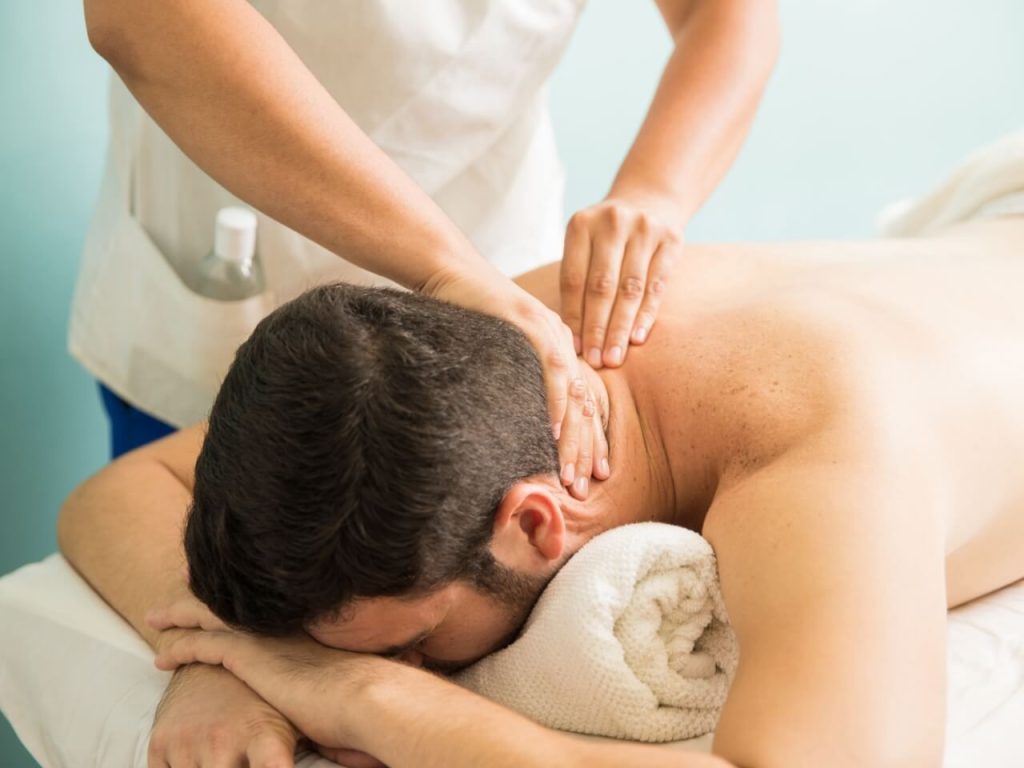
Migraine headaches affect millions of individuals worldwide, causing pulsating pain, sensory sensitivity, and nausea that disrupt daily life. While pharmaceutical treatments remain a standard approach, clinical massage therapy offers a non-invasive solution that addresses both acute symptoms and underlying neuromuscular causes. HomeMassage delivers professional therapeutic care directly to your residence across all 5 New York City boroughs, providing convenient access to customized treatments including specialized deep tissue massage nyc sessions designed to relieve deep cranial and cervical tension.
Clinical studies demonstrate that regular massage therapy can reduce migraine attack frequency by up to 40% while improving sleep quality and autonomic nervous system regulation. By targeting hypertonic cervical muscles, peripheral nerve compression, and vascular irregularities, skilled manual therapy interrupts pain signaling before acute episodes escalate.
Understanding How Massage Therapy Helps with Headaches plus Migraines
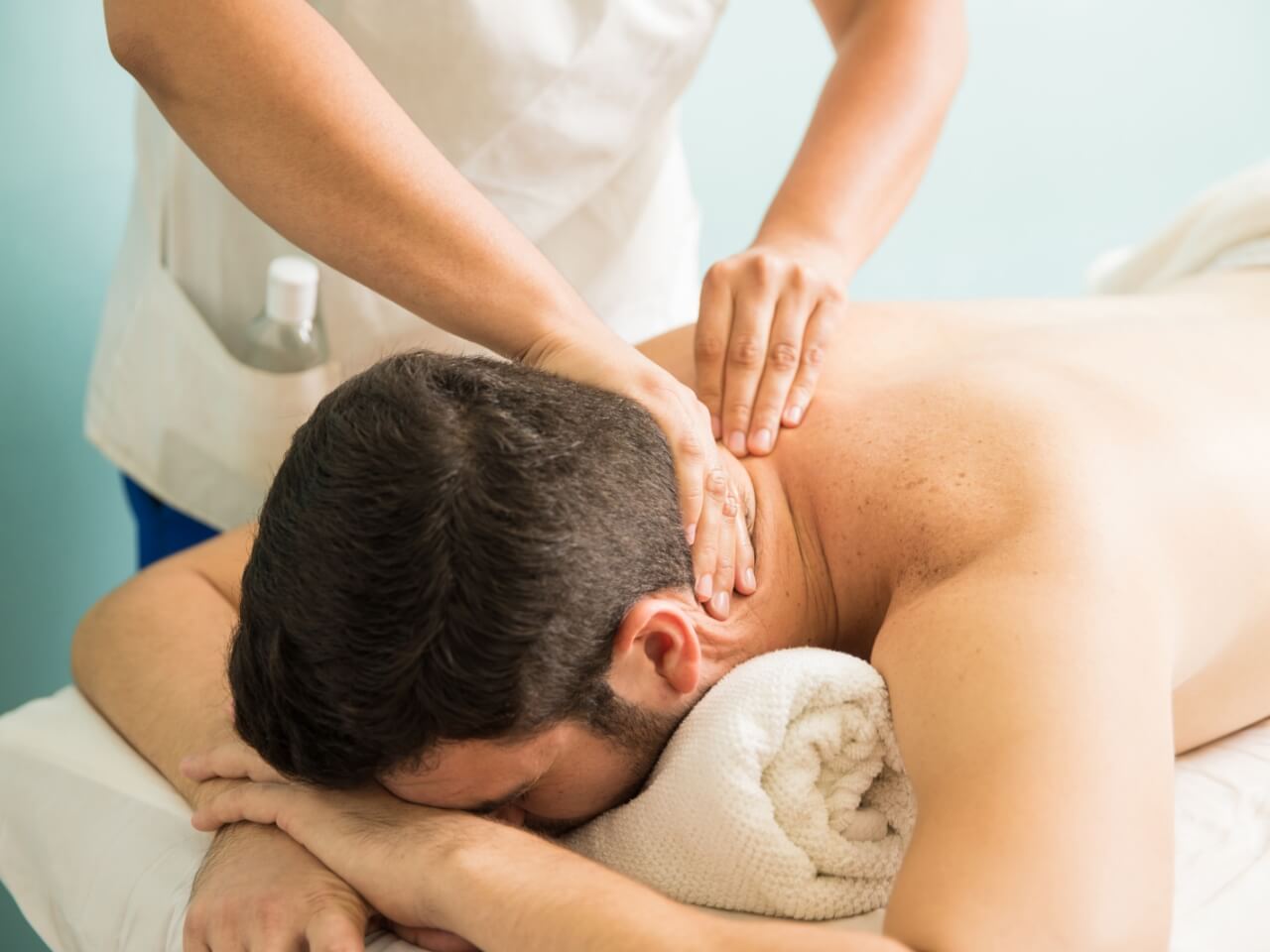
Massage therapy alleviates headache and migraine symptoms by modulating neurological pain pathways, lowering peripheral muscular tension, and restoring balanced systemic circulation. Manual stimulation of cutaneous and muscular mechanoreceptors inhibits nociceptive signaling along the spinal cord according to the gate control theory of pain. This mechanical feedback blocks pain impulses from reaching cortical sensory areas, creating immediate symptomatic relief during your session.
Relieving Muscle Tension along with Pain
Relieving muscle tension in the cervical, shoulder, and cranial regions directly targets the primary mechanical triggers of tension-type headaches and migraine episodes. Sustained muscular contractions in the upper trapezius and levator scapulae create myofascial trigger points that refer intense pain into the temporal and retro-orbital regions. Licensed massage therapists locate these hyperirritable nodules and apply sustained ischemic compression to restore muscle fiber resting length.
Suboccipital muscles located at the cranial base frequently compress the greater occipital nerve when chronically shortened from poor posture or screen use. Applying targeted pressure to these suboccipital tissues releases nerve impingement, particularly when combined with clinical trigger point therapy for knots to decompress restricted cervical junctions.
Myofascial release techniques gently stretch the restrictive connective tissue envelopes encasing your cranial and shoulder muscles. Eliminating these fascial adhesions restores normal mobility and prevents the cumulative mechanical strain that triggers recurring headache episodes.
Reducing Stress while Promoting Relaxation
Massage therapy reduces physiological stress by decreasing circulating cortisol levels while elevating neurotransmitters associated with pain relief and emotional balance. Research indicates that therapeutic touch suppresses sympathetic adrenal activity, leading to measurable drops in salivary and serum cortisol. Simultaneously, manual therapy stimulates the release of beta-endorphins and serotonin, which naturally support massage stress reduction and elevate pain tolerance thresholds.
Therapeutic touch activates your parasympathetic nervous system, effectively shifting your body from a heightened fight-or-flight state into restorative equilibrium. Your heart rate slows, arterial blood pressure stabilizes, and diaphragmatic breathing deepens throughout the treatment. These physiological adaptations create optimal metabolic conditions for tissue recovery and neurovascular relaxation.
Sustained parasympathetic activation provides psychological benefits that extend well beyond your individual massage appointment. Receiving consistent in-home treatments strengthens your neurological resilience against daily urban stressors, helping you mitigate anxiety and prevent stress-induced migraine triggers.
Enhancing Circulation plus Oxygen Flow
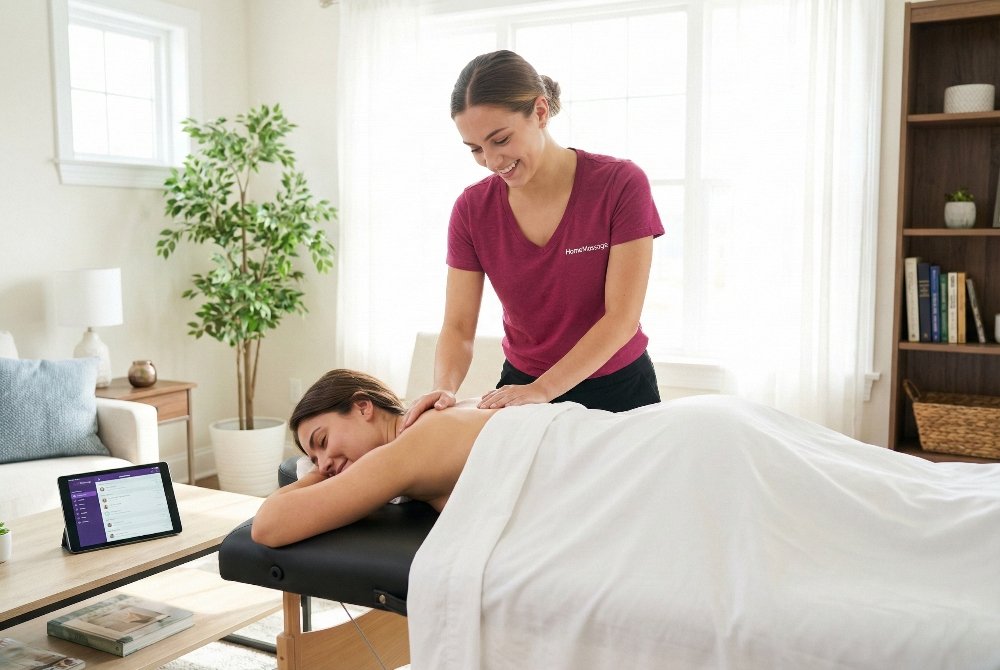
Enhancing microvascular and cerebral circulation through massage therapy prevents localized hypoxia and supports cellular metabolic exchange in tension-prone tissues. Vascular constriction followed by rebound dilation in cranial blood vessels plays a central role in migraine pathophysiology. Gentle, rhythmic manipulation stimulates peripheral vasodilation and improves capillary perfusion across your cervical and occipital regions.
Manual lymphatic drainage techniques accelerate the clearance of inflammatory metabolites and lactic acid that accumulate within hypertonic muscles. Eliminating cellular waste reduces chemical irritation of local nociceptors and speeds structural tissue repair. Improved lymphatic flow also bolsters your immune function and diminishes localized tissue congestion.
Vascular adaptations during manual therapy promote optimal oxygen delivery and carbon dioxide removal in cerebral and spinal tissues. Establishing stable, rhythmic blood flow prevents the sudden hemodynamic spasms that often initiate migraine auras.
Best Types of Massage for Migraine Relief at HomeMassage
Selecting the best massage modality for migraine relief depends on your specific symptom onset, chronic tension patterns, and personal pressure tolerances. HomeMassage provides customized clinical treatments delivered by New York State licensed massage therapists directly in your home. You can book an individualized session with a dedicated private massage therapist who evaluates your health history to deliver the most effective therapeutic modality.
Deep Tissue Massage Service for Chronic Tension
Premier Deep Tissue Massage Service targets structural dysfunctions in deeper muscle layers and fascia to eliminate persistent migraine triggers. Your therapist applies slow, deliberate strokes and focused friction across the grain of contracted muscle fibers. This methodical approach proves exceptionally beneficial if you suffer from chronic, long-standing headaches originating in postural strain.
Therapists concentrate on specific trigger point clusters that refer pain into your head, including:
- Suboccipital muscles along the skull base
- Upper trapezius fibers across the shoulder line
- Temporalis and masseter muscles along the jaw and temples
Applying sustained ischemic pressure on the HomeMassage 1–5 pressure scale (typically levels 4 to 5) deactivates these trigger points, significantly diminishing referred cranial pain.
Sessions are structured for 60, 90, or 120 minutes of dedicated hands-on treatment time to allow deep tissues to release safely without rushing. You may feel mild muscle soreness for 24 to 48 hours following deep structural work as metabolic waste clears. Most clients report substantial relief within 3 to 5 consistent sessions scheduled every 2 to 3 weeks.
To support optimal recovery, drink approximately 500 ml (17 fl oz) of water post-treatment and perform gentle neck stretches. Refrain from vigorous athletic activities for 24 hours to let your musculoskeletal system adapt to structural realignment.
Swedish Massage Service for Gentle Relaxation
Professional Swedish Massage Service offers a gentle, full-body therapeutic approach designed for individuals with acute sensory sensitivity or stress-related headaches. Long, gliding strokes encourage systemic calming without irritating inflamed nerve endings or tender trigger points. This modality provides ideal relief if your migraines correlate directly with emotional fatigue, elevated stress levels, or disrupted sleep patterns.
Swedish massage incorporates 5 classic strokes:
- Effleurage (smooth, gliding strokes toward the heart)
- Petrissage (rhythmic kneading and lifting of muscles)
- Friction (circular or transverse cross-fiber warming)
- Tapotement (light, rhythmic percussion to stimulate circulation)
- Vibration (gentle shaking to soothe nervous tension)
Each manual technique works synergistically to downregulate your central nervous system and ease head and neck tension. Integrating soothing techniques with essential oils for massage can further amplify psychological relaxation and tension dissipation.
Treatments incorporate a full-body protocol while devoting specialized attention to your upper back, neck, shoulders, and scalp. Full-body relaxation promotes systemic vasodilation, preventing compensatory muscle guarding throughout your spine.
Scheduling weekly or bi-weekly Swedish sessions maintains low baseline cortisol levels and prevents chronic tension accumulation. The moderate pressure profile (levels 2 to 3 on the 1–5 pressure scale) allows for regular appointments without causing post-session soreness.
Prenatal Massage Service for Hormone-Related Headaches
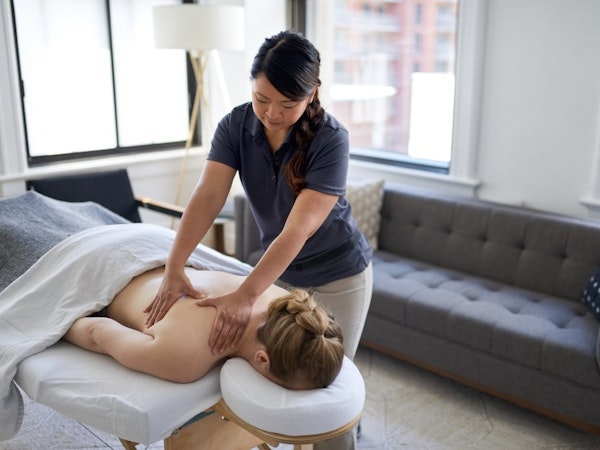
Professional Prenatal Massage Service provides safe, specialized relief for expectant mothers experiencing headaches triggered by hormonal fluctuations and spinal postural shifts. Pregnancy introduces substantial biomechanical adjustments, including increased lumbar lordosis and forward head posture, which stress cervical support muscles. HomeMassage therapists complete at least 24 hours of advanced prenatal training to administer safe treatments from week 13 of pregnancy onward.
Hormonal shifts throughout the second and third trimesters alter vascular tone and heighten pain sensitivity in cranial blood vessels. Gentle, rhythmic strokes stabilize neuromuscular tension without posing risks to you or your baby. Therapists focus on the cervical spine, shoulders, and upper thoracic regions where gestational strain accumulates.
Safety protocols require side-lying positioning supported by specialized ergonomic cushions to eliminate pressure on the inferior vena cava. Prenatal therapists use gentle to moderate pressure (levels 1 to 3 on the 1–5 scale) and strictly avoid deep abdominal pressure and deep medial leg work. Expectant mothers with high-risk pregnancy factors must secure written physician clearance prior to receiving in-home bodywork.
Regular prenatal massage reduces pregnancy-induced edema, diminishes headache frequency, and improves nighttime sleep quality. Sessions are available in 60-minute and 90-minute durations, ensuring comfortable, restorative care tailored to every stage of your pregnancy.
Pressure Points for Self-Massage Migraine Relief
Targeting specific acupressure pressure points provides immediate symptom relief and empowers you to manage migraine discomfort between professional appointments. Stimulating these reflex zones encourages endorphin release and interrupts headache signaling pathways in your central nervous system. Integrating regular self-massage practices complements professional home therapy to maintain long-term muscular relaxation.
Face and Head: Third Eye plus Drilling Bamboo
The Third Eye acupressure point (Yintang) sits at the midpoint between your eyebrows directly above the nasal bridge. Applying gentle, circular pressure with your middle or index finger for 1 to 2 minutes relieves frontal sinus congestion and temporal headache pain. This calming pressure point activates parasympathetic cranial nerves, easing eye strain and promoting mental clarity.
The Drilling Bamboo points (BL2) reside in the small skeletal hollows at the medial ends of both eyebrows near your bridge. Applying steady, upward pressure with both thumb tips for 30 to 60 seconds relieves frontal throbbing and ocular fatigue. Maintain slow, deep breaths while holding this point to maximize neurovascular release.
Proper technique requires gradual pressure escalation rather than sudden, forceful compression. Begin with light tactile contact and increase intensity slowly according to your individual comfort threshold. The sensation should feel therapeutically relieving rather than sharp or painful.
Neck and Shoulders: Gates of Consciousness
The Gates of Consciousness points (GB20) reside in the bilateral depressions beneath your skull base, approximately 5 cm (2 inches) outward from your cervical spine. Applying firm, upward pressure to these suboccipital hollows directly releases tension that triggers vascular and tension migraines. This targeted compression decompresses occipital nerve pathways, reducing pain radiation across the parietal and temporal skull regions.
To stimulate GB20 effectively, clasp your hands behind your head and press your thumbs upward into the cranial base while tilting your head slightly forward. Maintain steady, firm pressure for 1 to 2 minutes while breathing slowly and evenly. You will often experience a warming release sensation radiating through your neck, scalp, and forehead.
The Shoulder Well points (GB21) sit at the highest midpoint of your trapezius muscle, halfway between the base of your neck and your shoulder joint. Pinching this muscular ridge gently or applying downward thumb pressure for 60 seconds releases upper trapezius hypertonicity. Releasing GB21 reduces cervical stiffness that frequently generates tension headaches.
Hands and Feet: Union Valley plus Great Rushing Points
The Union Valley point (LI4 or Hegu) is located in the fleshy webbing between the thumb and index finger on each hand. Applying firm, directed pressure to LI4 for 2 to 3 minutes provides potent, non-local relief for headaches across all cranial regions. This distal acupressure point stimulates descending pain-inhibition pathways in your central nervous system.
To activate LI4, pinch the muscular mound using the thumb and index finger of your opposite hand, directing force toward the second metacarpal bone. Maintain steady pressure while practicing rhythmic, deep inhalations and exhalations. A slight radiating ache confirms accurate point activation. You should avoid stimulating LI4 during pregnancy, as strong stimulation can induce uterine contractions.
The Great Rushing point (LV3 or Taichong) sits on the dorsum of your foot in the depression between the first and second metatarsal bones, about 5 cm (2 inches) proximal to your toes. Applying firm downward pressure to LV3 for 1 to 2 minutes soothes throbbing migraines and balances systemic blood pressure. Stimulating points on both feet helps calm systemic stress and supports restorative sleep.
Consistently practicing these self-care techniques enhances your baseline pain threshold and extends the therapeutic results of professional treatments. Regularity and proper finger positioning matter far more than excessive mechanical force. Many migraine sufferers experience noticeable relief within minutes of focused application.
Specialized Home Massage Service in New York City for Migraine Management
HomeMassage brings certified clinical care directly to your apartment, private home, or hotel suite across New York City. Receiving treatment at home eliminates commuting stress, subway noise, and bright lights that can trigger or worsen migraine attacks. Resting in your familiar environment immediately following treatment maximizes parasympathetic recovery, delivering an authentic stress relief massage nyc experience in comfort.
Your licensed massage therapist (LMT) arrives with all professional equipment, including a portable massage table, freshly sanitized linens, and hypoallergenic, nut-free massage oils. Setup and post-session sanitization require 10 to 15 minutes and are never deducted from your scheduled hands-on therapy time. Every session begins with a health intake review to customize techniques specifically to your migraine triggers and pain history.
Convenience of Couples Massage Service for Shared Relaxation
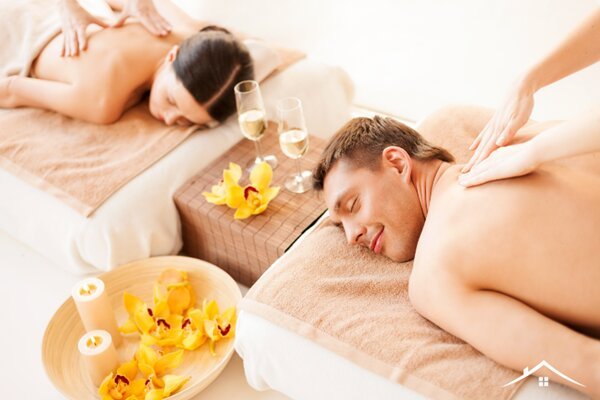
Professional In-Home Couples Massage Service allows two clients to enjoy synchronized therapeutic sessions side-by-side in their home. Two licensed therapists set up two portable massage tables in a shared space, typically requiring an open area of approximately 3.7 m × 3.4 m (12 ft × 11 ft). Both treatments begin and end simultaneously, creating a relaxing, supportive environment that minimizes domestic stress.
Receiving bodywork alongside a partner or family member fosters shared calm and elevates oxytocin levels while lowering systemic stress hormones. Each client selects their preferred modality and pressure depth independently, with options for classic Swedish relaxation (levels 2 to 3) or deep tissue work (levels 4 to 5).
Flexible scheduling accommodates demanding metropolitan routines, with evening appointments available 7 days a week. Couples massage sessions provide 60, 90, or 120 minutes of actual treatment time, giving both individuals dedicated clinical attention without leaving home.
Chair Massage Service for Quick Tension Relief
Premier Chair Massage Service provides rapid, targeted tension relief for your neck, shoulders, upper back, and arms in a compact seated position. Designed for busy professionals working from home or office settings, chair massage requires only a 2 m × 2 m (6.5 ft × 6.5 ft) space. Treatments are performed over clothing without oils, eliminating preparation time and fitting easily into tight workdays.
An ergonomic, portable massage chair weighing 9 kg (20 lb) supports your body in optimal cervical and thoracic alignment. Therapists use rhythmic compression, petrissage, and acupressure to alleviate postural fatigue, making this service exceptionally effective if you need targeted massage for tech neck caused by prolonged computer work. Sessions can be booked in 10, 15, or 20-minute increments per person, with a minimum corporate booking of 2 hours.
Sports Massage Service for Active Individuals
Sports Massage Service addresses exercise-induced muscle hypertonicity and tension headaches in runners, cyclists, and active athletes across New York City. Intense physical training can cause postural imbalances and neck tightening that restrict cranial blood flow. Your therapist utilizes Proprioceptive Neuromuscular Facilitation (PNF) stretching, deep friction, and trigger point deactivation to restore neuromuscular balance.
Treatment protocols focus on muscle groups prone to repetitive overuse, including your cervical extensors, upper trapezius, pectorals, and jaw muscles. Restoring proper kinetic chain alignment reduces chronic cervical strain that radiates upward into headache pain.
Post-event and maintenance sessions accelerate metabolic recovery by clearing cellular byproducts and reducing Delayed Onset Muscle Soreness (DOMS). Receiving specialized athletic bodywork every 2 to 4 weeks preserves muscle elasticity, supporting both peak athletic performance and sustained headache prevention.
The Best Time to Get a Massage for Migraine?
The best time to receive a massage for migraine relief is during the prodrome phase or as part of a regular preventive maintenance schedule between acute attacks. The prodrome phase occurs hours or days before pain onset, often presenting with subtle symptoms like neck stiffness, mood shifts, food cravings, or light sensitivity. Scheduling an intervention during this early window can abort episode progression by interrupting neurovascular constriction.
Timing significantly influences the clinical outcome of massage therapy for headache management. Understanding the distinction between preventive scheduling and acute-phase interventions ensures maximum relief without aggravating neurological sensitivity.
During a fully active migraine attack, vigorous deep pressure is contraindicated because cranial nerves and cerebral vessels are hyper-sensitized. Only extremely gentle touch, light cranial holds, and distant acupressure (such as on the feet) should be applied during acute episodes.
Preventive scheduling yields the most consistent long-term results, with weekly or bi-weekly treatments recommended for chronic sufferers. A consistent schedule maintains balanced autonomic nervous system tone, normalizes muscle resting tension, and reduces overall migraine frequency by addressing root physiological causes over time.
Experience Professional Relief with HomeMassage in New York City
HomeMassage delivers licensed in-home therapeutic massage across all 5 New York City boroughs, providing convenient clinical relief for chronic migraine and tension headaches. Every session is conducted by a New York State licensed massage therapist (NYSED-certified LMT) who brings sanitized equipment, professional tables, and hypoallergenic, nut-free oils directly to your door.
Our 6 specialized services include:
- Premier Deep Tissue Massage Service
- Professional Swedish Massage Service
- Professional Prenatal Massage Service
- Sports Massage Service
- Professional In-Home Couples Massage Service
- Premier Chair Massage Service
Appointments are available daily from 07:00 to 21:00 across Manhattan, Brooklyn, Queens, The Bronx, and Staten Island ($30 travel surcharge for Staten Island). Our administrative and training center is located at 106 W 32nd St, New York, NY 10001, USA (dispatch facility only; no walk-in clients). Call +1 (917) 426-9100 or book online at https://homemassagenyc.com to schedule your personalized migraine relief session.