Choosing between sports therapy and deep tissue bodywork depends on your specific physical demands, recovery goals, and pain patterns. Both modalities target musculoskeletal tension, yet they utilize distinct tempos, pressure levels, and physiological mechanisms. Selecting the right modality ensures optimal recovery and relief, particularly when you schedule an on-demand home massage in NYC delivered directly to your residence.

Understanding the Basics of Deep Tissue and Sports Therapy
Deep tissue therapy and sports bodywork address different physiological requirements through specialized manual protocols. While deep tissue focuses on breaking down chronic sub-layer adhesions, sports therapy optimizes functional movement and accelerates muscular rehabilitation.
What Is Deep Tissue Therapy?
Deep tissue therapy is a targeted clinical modality that applies sustained, slow friction and firm pressure (level 4–5 on a 1–5 scale) to penetrate the deep layers of muscle tissue and connective fascia.
Licensed Massage Therapists (LMTs) utilize thumbs, forearms, and elbows to dissolve stubborn myofascial adhesions, break down rigid scar tissue, and relieve localized trigger points. This systematic approach restores functional alignment for individuals experiencing chronic lower back pain, postural distortions, or long-standing cervical tension.
What Is Sports Bodywork?
Sports bodywork is an outcome-based therapeutic modality engineered to enhance athletic performance, restore joint mobility, and accelerate muscle recovery across all phases of training.
Therapists combine dynamic compression, active stretching, proprioceptive neuromuscular facilitation (PNF), and targeted friction tailored to specific athletic disciplines. Sessions adapt to your competitive timeline: pre-event sessions stimulate blood flow, post-event treatments flush metabolic waste, and maintenance sessions correct biomechanical imbalances to prevent overuse injuries.

Key Differences Between Sports Therapy and Deep Tissue
Evaluating the technical distinctions between sports therapy and deep tissue bodywork clarifies which service aligns with your physical recovery objectives.
Focus Areas and Treatment Goals
Sports therapy focuses on biomechanical movement chains and sport-specific muscle groups, whereas deep tissue therapy isolates chronic postural tension patterns across the entire body.
For endurance athletes such as marathon runners, sports therapy concentrates on the hip flexors, hamstrings, and calves, frequently incorporating targeted techniques like sports massage for plantar fasciitis to maintain plantar mobility. Swimmers and overhead athletes receive focused work on the latissimus dorsi, rotator cuff tendons, and pectoral muscles to eliminate functional restrictions.
Deep tissue therapy addresses chronic musculoskeletal strain patterns resulting from sedentary postures or repetitive occupational stress. Common focal areas include:
- The lumbar spine and quadratus lumborum muscles
- The cervical spine, upper trapezius, and levator scapulae
- The gluteal complex and deep piriformis structures
Techniques and Intensity Levels
Sports bodywork varies its rhythm and pressure between level 3 and level 5 on a standard 1–5 pressure scale, while deep tissue therapy maintains continuous, firm pressure at levels 4 to 5.
A sports bodywork session incorporates rapid tapotement to stimulate neural activation before athletic events, alternating with passive joint mobilization and rhythmic compression during recovery phases. Deep tissue therapy relies on slow stripping along muscle fibers, sustained ischemic compression on trigger points, and cross-fiber friction to release entrenched fascia without rapid tempo shifts.
Target Clientele: Athletes vs Chronic Pain Sufferers
Sports therapy targets active competitors, fitness enthusiasts, and endurance athletes requiring physical conditioning, whereas deep tissue therapy serves individuals managing chronic pain and postural misalignment.
Athletes, marathon runners, and gym members book sports bodywork to minimize downtime, boost joint flexibility, and alleviate post-workout soreness. Deep tissue therapy provides relief for remote workers, desk professionals, and individuals coping with repetitive strain injuries, sciatica discomfort, or chronic tension headaches.
Benefits of HomeMassage Deep Tissue and Sports Services
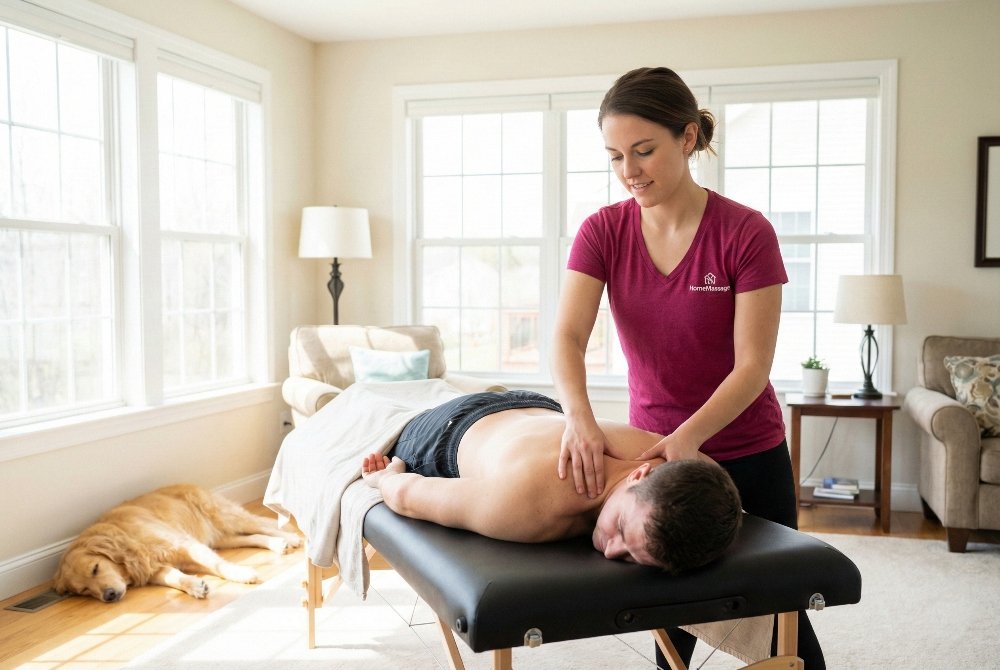
HomeMassage delivers vetted, NYSED-licensed massage therapists directly to private residences, hotels, and corporate settings across all 5 New York City boroughs (Manhattan, Brooklyn, Queens, The Bronx, and Staten Island). Every session provides clinical-grade musculoskeletal care using sanitized portable equipment without requiring travel to an external facility.
Alleviating Muscle Tension and Chronic Pain with Deep Tissue
Deep tissue therapy alleviates chronic discomfort by dissolving structural adhesions and increasing capillary microcirculation within deeper muscle layers.
This modality elongates contracted sarcomeres, breaks down dense scar tissue, and decompresses peripheral nerves impinged by muscular spasms. Deep tissue massage may reduce chronic lower back pain; a clinical study by Majchrzycki and colleagues published in 2014 in The Scientific World Journal demonstrated that deep tissue work relieved pain with therapeutic efficacy comparable to non-steroidal anti-inflammatory medications. Clients suffering from chronic postural tension, stiff shoulders, and lumbar tightness experience sustained functional mobility.
Improving Blood Flow and Performance with Sports Therapy
Sports therapy improves athletic output by accelerating vascular circulation, increasing cellular oxygenation, and flushing metabolic byproducts from overworked muscle fibers.
Targeted techniques reduce delayed onset muscle soreness (DOMS) following strenuous exercise. A meta-analysis by Guo and colleagues published in 2017 in Frontiers in Physiology confirmed that post-exercise massage significantly alleviates DOMS and speeds muscular recuperation. Furthermore, a study by Crane and colleagues published in 2012 in Science Translational Medicine demonstrated that 10 minutes of targeted massage diminishes inflammatory signaling at the cellular level. Exploring the full spectrum of sports massage benefits enables active individuals to maintain peak biomechanical efficiency.
Stress Reduction and Relaxation
Both therapeutic modalities provide profound stress reduction by downregulating sympathetic nervous system activity and releasing muscular constriction.
Deep tissue therapy triggers physical relaxation as chronic tension patterns dissipate, lowering psychological stress and easing systemic muscle guarding. Sports bodywork reduces performance-related anxiety, restores neuromuscular balance, and promotes restorative sleep cycles.
Choosing the Right Home Massage Service in New York City
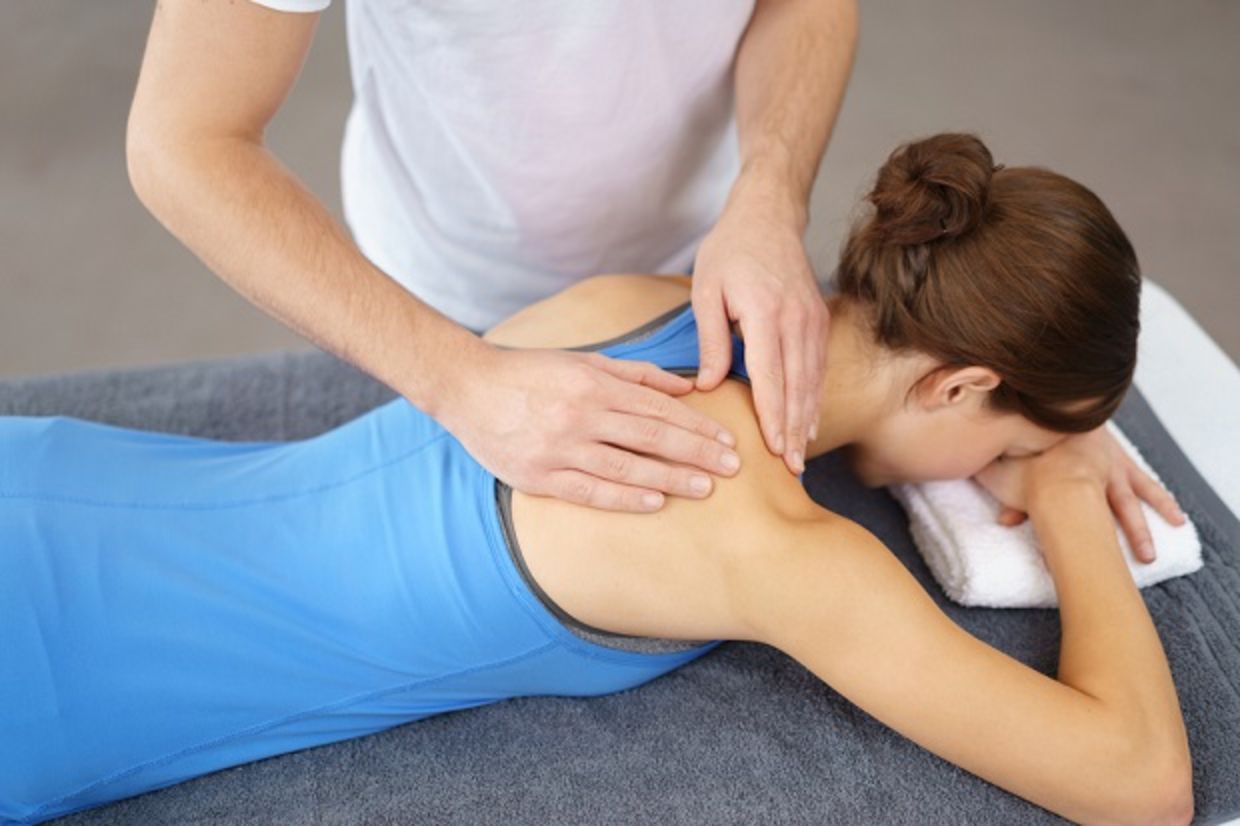
New York City residents seeking personalized bodywork can book an on-demand in home sports massage nyc appointment to eliminate commuting hassles through busy subway stations and crowded city streets.
When to Choose Deep Tissue Therapy
You should choose deep tissue therapy if you experience persistent structural stiffness, chronic lower back pain, or postural tightness resulting from prolonged desk work.
This treatment serves remote employees sitting for 8 to 10 hours daily, workers recovering from past muscular sprains, and individuals with localized scar tissue adhesions. Schedule a 90-minute or 120-minute Premier Deep Tissue Massage Service session when you need focused, multi-zone treatment for complex pain patterns across the neck, shoulders, and hips.
When to Select Sports Recovery Service
You should select sports therapy if you engage in consistent physical conditioning, athletic training, or competitive sports events.
Schedule an athletic recovery massage within 24 to 72 hours following an intense workout to minimize muscle inflammation and restore range of motion. Athletes also benefit from booking pre-event sessions 24 to 48 hours before marathons or competitions to warm up tissues and optimize muscular responsiveness.
What to Expect During Your HomeMassage Session
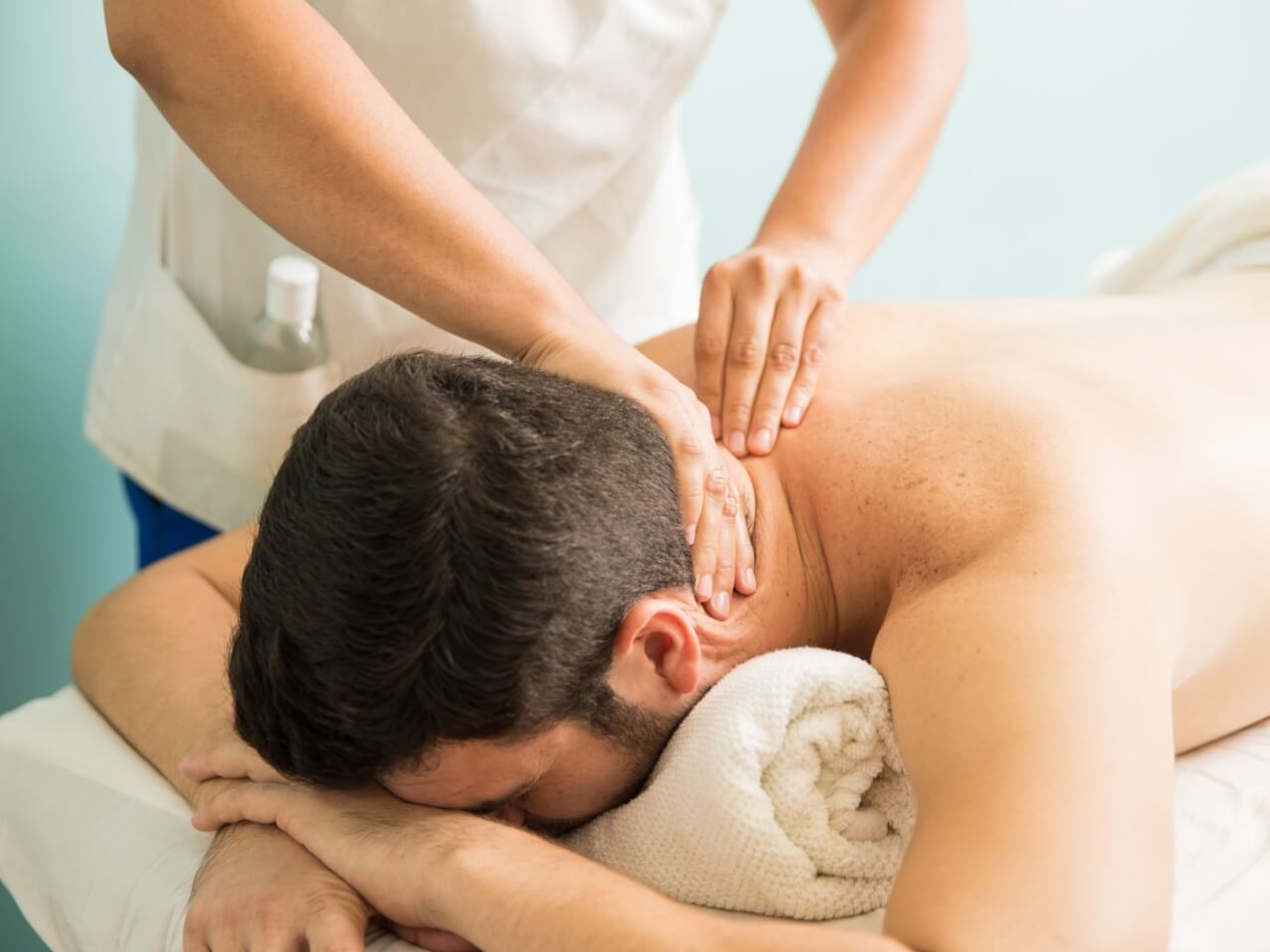
HomeMassage operates a 100% mobile service dispatched throughout Manhattan, Brooklyn, Queens, The Bronx, and Staten Island from its coordination office at 106 W 32nd St, New York, NY 10001 (dispatch and training headquarters only; no walk-in treatments). Every appointment follows structured clinical protocols to ensure comfort, privacy, and safety.
Preparing for Your Appointment
Preparing for an in-home massage requires clearing a quiet floor space measuring approximately 2.4 m × 3.4 m (8 ft × 11 ft) to accommodate the mobile treatment table.
Your HomeMassage LMT arrives with a portable table (76 cm / 30 inches wide, 185 cm / 73 inches long), fresh linens sanitized at 60°C (140°F), and hypoallergenic, nut-free oils. Complete your digital Health Intake form prior to arrival, wear comfortable athletic attire for sports stretching, and communicate specific tension areas or training schedules to your practitioner.
Contraindications: When to Avoid Deep Pressure
You must avoid deep pressure therapy if you have acute inflammatory conditions, active blood clotting disorders, or systemic infections.
Deep work is contraindicated for clients experiencing a fever of 38°C (100.4°F) or higher, acute soft tissue sprains sustained within 72 hours, or suspected deep vein thrombosis. HomeMassage prohibits massage for pregnancies under 13 weeks; expectant mothers at 13 weeks or later must book the specialized Professional Prenatal Massage Service with side-lying positioning rather than deep tissue or sports modalities.
Aftercare: Maximizing the Benefits of Therapy
Optimizing post-treatment benefits requires drinking approximately 500 ml (17 fl oz) of water to support metabolic hydration and facilitate tissue recovery.
Mild soreness lasting 24 to 48 hours is a normal physiological reaction after intensive deep tissue or sports bodywork. Apply a cold compress to localized tenderness, perform gentle mobility stretches, and avoid heavy weightlifting or high-impact running for at least 24 hours following intensive pressure.
FAQ regarding Sports vs Deep Tissue Therapy
Reviewing common inquiries regarding therapeutic pressure and treatment scope helps clarify which modality best resolves your physical symptoms.
Which is better for back pain: Deep Tissue or Sports Therapy?
Deep tissue therapy is typically better for chronic postural back pain, whereas sports therapy is superior for activity-induced lumbar strain. Deep tissue work applies sustained level 4–5 pressure to dissolve chronic adhesions along the erector spinae and quadratus lumborum. However, sports bodywork excels when back pain originates from hip mobility deficits, pelvic misalignment, or running mechanics.
Is a sports session always a full body treatment?
No, a sports therapy session is rarely a full-body treatment, as it primarily targets the specific muscle groups utilized in your sport. A distance runner receives focused work on the glutes, quadriceps, and calves, while a tennis player requires concentrated therapy on the shoulder girdle, rotator cuffs, and forearms. Your LMT tailors the session duration (60, 90, or 120 minutes) around your primary athletic movement patterns.
Can I combine these with a Swedish Therapy Service?
Yes, you can combine elements of sports or deep tissue therapy with a Swedish session to balance deep clinical relief with systemic relaxation. Many clients begin with light effleurage strokes to increase superficial blood flow and enjoy verified swedish massage benefits, followed by firm friction on stubborn trigger points. Your HomeMassage LMT customizes the pressure across your session to address distinct muscular needs.
Ready to receive licensed therapeutic bodywork in the comfort of your living space? HomeMassage delivers New York State licensed massage therapists, professional tables, and fresh linens directly to your door across Manhattan, Brooklyn, Queens, The Bronx, and Staten Island, 07:00 – 21:00 daily. Call +1 (917) 426-9100 or schedule your session online at https://homemassagenyc.com.