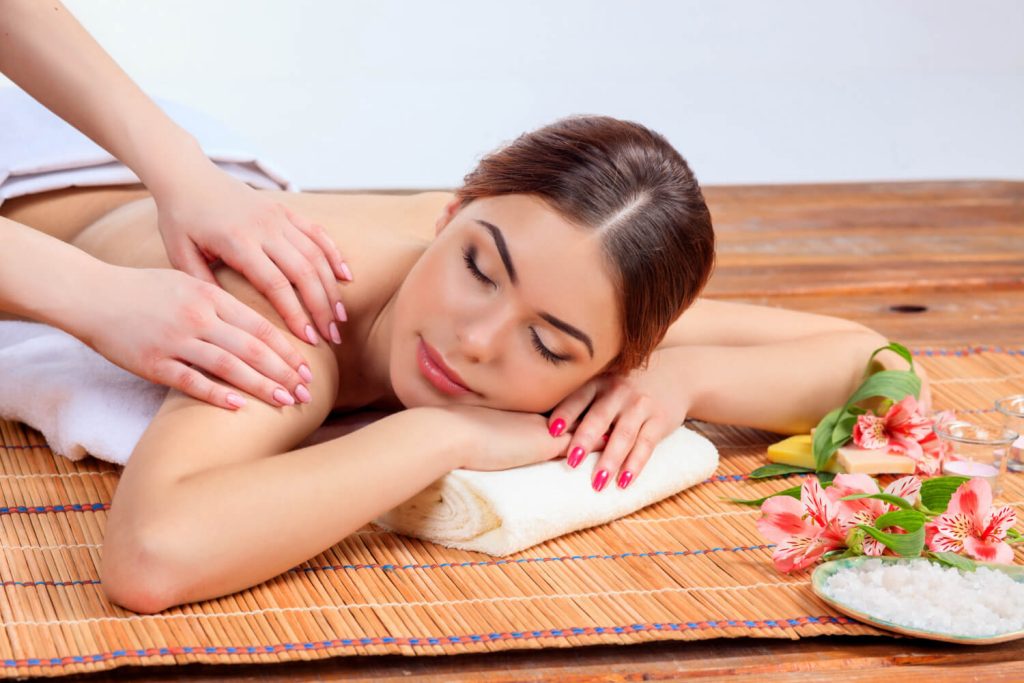
You’ve just finished a relaxing session with HomeMassage, and your muscles feel looser than they have in months. Before you rest, there is one critical step you shouldn’t skip: drinking a glass of water. Hydrating after bodywork is more than standard advice; it is a vital physiological component of your body’s recovery process.
From flushing out metabolic waste mobilized during intensive tissue manipulation to preventing post-session headaches, proper fluid balance ensures you receive the full benefits of treatment. This guide explains how hydration supports your lymphatic system, enhances circulatory recovery, and keeps your muscles supple.
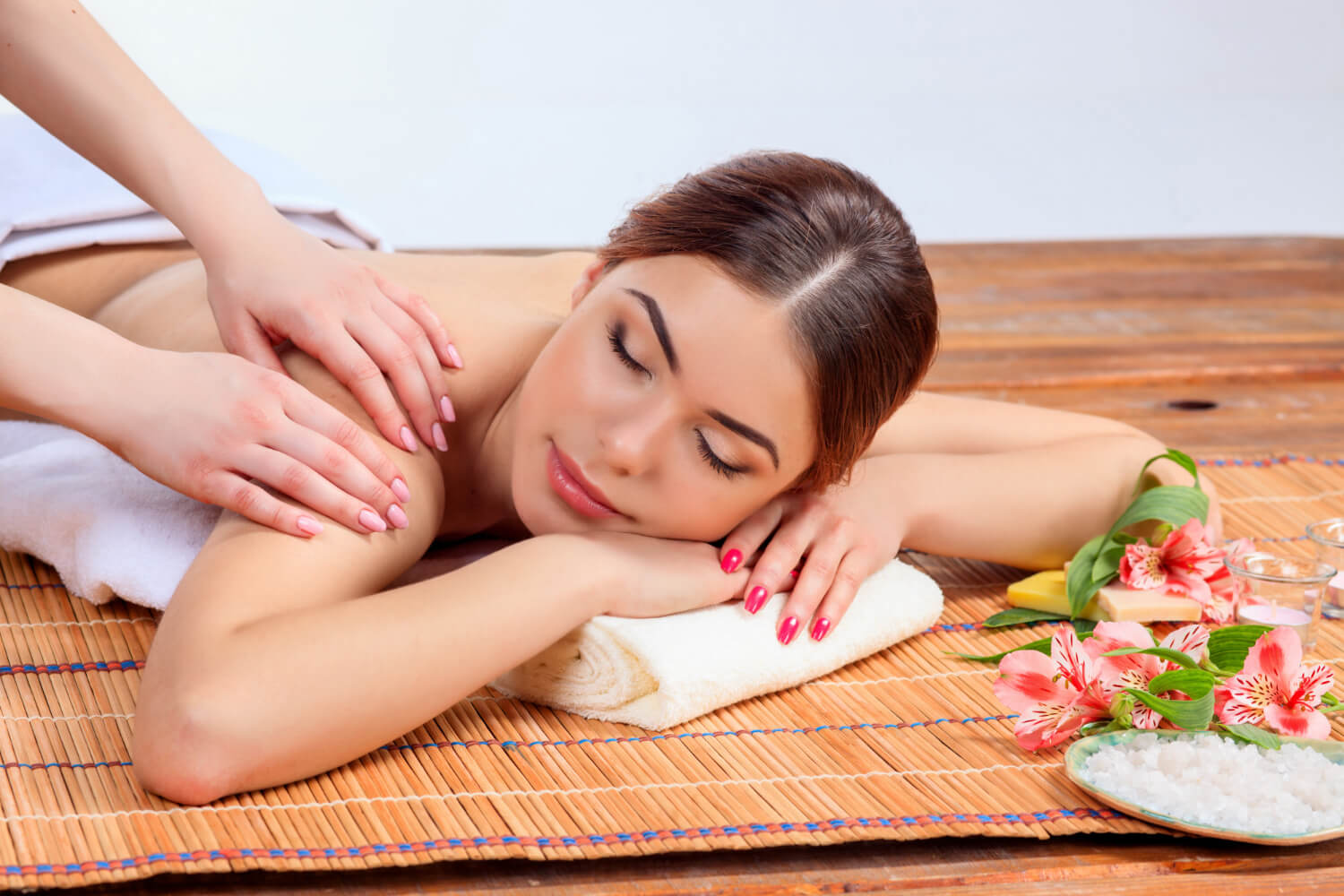
The Real Reason You Should Drink Water After a Bodywork Session
Drinking water after a bodywork session is a physiological necessity that directly supports muscular recovery and systemic filtration. When a licensed massage therapist applies pressure to soft tissues, the manipulation stimulates blood circulation and activates lymphatic drainage. This mechanical action mobilizes cellular debris and metabolic byproducts—such as lactic acid and urea—from muscle fibers into the bloodstream.
Without sufficient fluid volume, your kidneys and lymphatic vessels struggle to filter and excrete these mobilized substances efficiently. Maintaining a consistent massage wellness routine helps condition your neuromuscular and circulatory systems to process metabolic waste with minimal discomfort.
How Therapy Affects Your Lymphatic System and Hydration
Bodywork directly enhances lymphatic circulation through rhythmic strokes and targeted compressive techniques. The lymphatic system lacks a central pump like the heart, relying instead on skeletal muscle movement, respiration, and external manual pressure to propel lymph fluid through vessels and lymph nodes. Research published by the National Center for Complementary and Integrative Health indicates that manual therapies can increase lymphatic flow significantly, accelerating the transit of interstitial fluids.
Tissue manipulation temporarily alters cellular permeability, shifting fluid and metabolic waste into the vascular system for filtration by the kidneys and liver. Proper hydration maintains plasma volume, ensuring these filtration organs eliminate mobilized cellular waste smoothly. Incorporating structured stretching after deep tissue massage further promotes interstitial fluid circulation and preserves soft-tissue flexibility.
Key Benefits of Hydrating Post-Treatment with HomeMassage NYC
HomeMassage delivers licensed in-home bodywork across all five boroughs of New York City, prioritizing evidence-based aftercare. Adequate hydration post-session amplifies your physical recovery across multiple physiological systems.
Flushing out metabolic waste while reducing soreness
Hydration following bodywork accelerates the renal clearance of lactic acid, urea, and cellular byproducts released from tight muscular bands. Data published by the American Massage Therapy Association indicate that adequate post-session fluid intake can reduce delayed-onset muscle soreness by up to 25% compared to dehydrated states. Following professional post massage care guidelines prevents waste reaccumulation in tender muscle tissues.
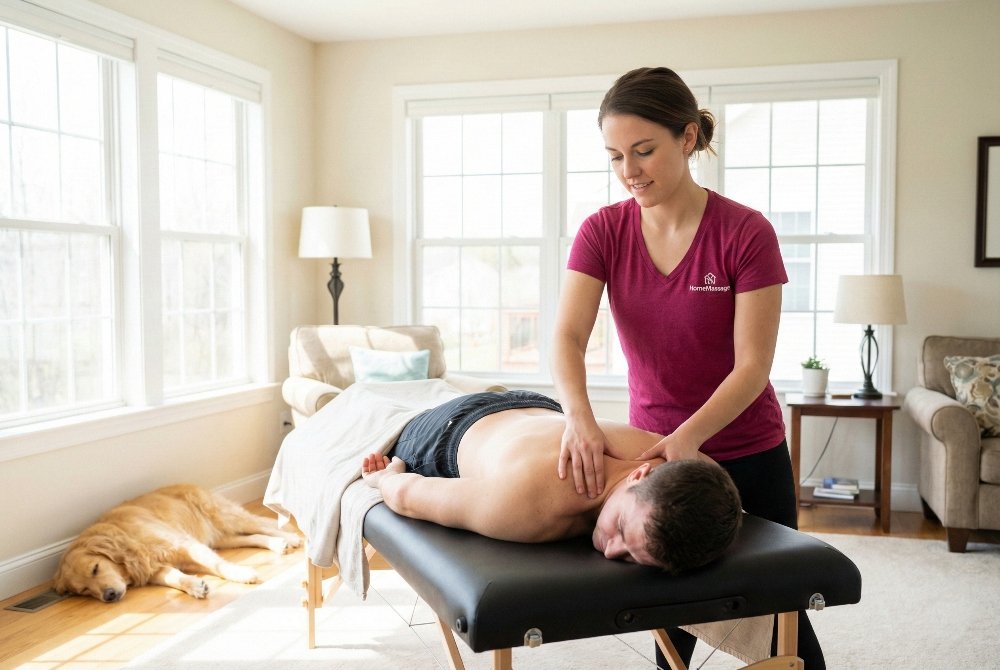
Replenishing fluids lost during Deep Tissue or Sports Bodywork
Intensive modalities such as Premier Deep Tissue Massage Service and Sports Massage Service generate friction and elevate localized tissue temperature, triggering sympathetic responses that increase perspiration and respiratory water loss. An individual can lose between 250 ml and 500 ml (8 fl oz to 16 fl oz) of fluid during a vigorous 60- to 90-minute treatment. Receiving targeted sports massage for recovery requires disciplined fluid replenishment to restore cellular glycogen reserves and electrolyte equilibrium.
Preventing post-session headaches plus fatigue
Post-massage headaches and fatigue typically stem from transient dehydration and altered intracranial blood pressure following circulatory stimulation. Clinical observations published by the Mayo Clinic show that post-treatment cephalalgia affects roughly 15% of recipients when fluid intake is inadequate, typically presenting 2 to 4 hours post-session. Scheduling dedicated massage for circulation enhances vascular oxygen delivery to cerebral tissues, minimizing fatigue when accompanied by immediate hydration.
Improving skin elasticity along with circulation
Hydration preserves dermal barrier health and microvascular cutaneous perfusion stimulated during effleurage and petrissage strokes. Water intake maintains cell turgor and dermal elasticity, helping skin tissue stay nourished, pliable, and radiant for 24 to 48 hours post-treatment.
Hydration Guidelines for Different Home Services in New York City
Hydration requirements vary depending on treatment intensity, modality, and physiological demands.
Water intake after Deep Tissue or Sports Sessions
Premier Deep Tissue Massage Service and Sports Massage Service utilize firm pressure (levels 4 to 5 on the 1–5 pressure scale), requiring aggressive rehydration protocols:
- Consume 500 ml to 700 ml (16 fl oz to 24 fl oz) of water within the first hour post-session.
- Drink an additional 1,000 ml to 1,400 ml (32 fl oz to 48 fl oz) of water throughout the remainder of the day.
- Monitor urine color, aiming for a pale straw hue to verify cellular hydration.
Importance of fluids for Prenatal and Swedish Modalities
Professional Swedish Massage Service utilizes gentle-to-medium strokes (levels 2 to 3), requiring 250 ml to 500 ml (8 fl oz to 16 fl oz) of water post-treatment. For clients relaxing in hotels or private suites, scheduling an in-room massage provides restorative relaxation where aftercare hydration remains equally critical.
Clients receiving Professional Prenatal Massage Service require elevated baselines to support fetal circulation, expanded amniotic volume, and maternal kidney filtration. Expectant mothers from 13 weeks onward should consume 350 ml to 500 ml (12 fl oz to 16 fl oz) immediately post-treatment, sipping continuously across the recovery period.
Rehydration tips following Couples or Chair Services
Premier Chair Massage Service delivers focused 10- to 20-minute seated sessions on the head, neck, shoulders, and back without oils or undressing. In workplace settings, corporate chair massage nyc relieves postural tension, requiring 250 ml to 350 ml (8 fl oz to 12 fl oz) of water immediately after to support localized vascular circulation.
For Professional In-Home Couples Massage Service, both individuals should hydrate independently based on whether they received standard Swedish relaxation or upgraded to deep tissue pressure.
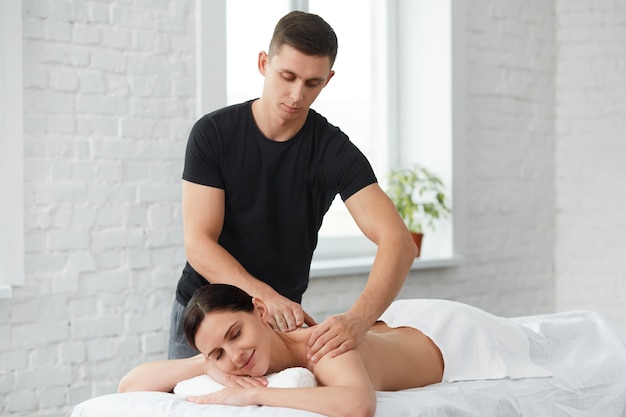
What Happens If You Don’t Drink Water After Bodywork?
Failing to hydrate after bodywork allows mobilized metabolic debris to pool and recirculate within soft tissues rather than being excreted through the urinary tract. Insufficient blood volume reduces renal filtration efficiency, often prolonging muscle stiffness, aches, and soreness for 48 to 72 hours.
Dehydration also triggers protective muscle guarding, wherein irritated nerve fibers cause compensatory muscle tightening. This rebound contraction can produce tension in previously untreated muscle groups, negating therapeutic gains and exacerbating physical fatigue.
How Much Liquid Should You Drink to Stay Hydrated?
Post-session fluid requirements depend on body mass, modality intensity, ambient room temperature, and baseline hydration. A standard rule is to consume 250 ml to 500 ml (8 fl oz to 16 fl oz) immediately following treatment.
Over the next 24 hours, aim for a baseline daily fluid intake of 30 ml to 45 ml per kilogram of body weight (0.5 fl oz to 0.75 fl oz per pound). For a 68 kg (150 lb) individual, this equals 2.2 liters to 3.3 liters (75 fl oz to 113 fl oz) of fluids across the day. Sip 120 ml to 180 ml (4 fl oz to 6 fl oz) every 30 to 45 minutes rather than consuming excessive volumes all at once.
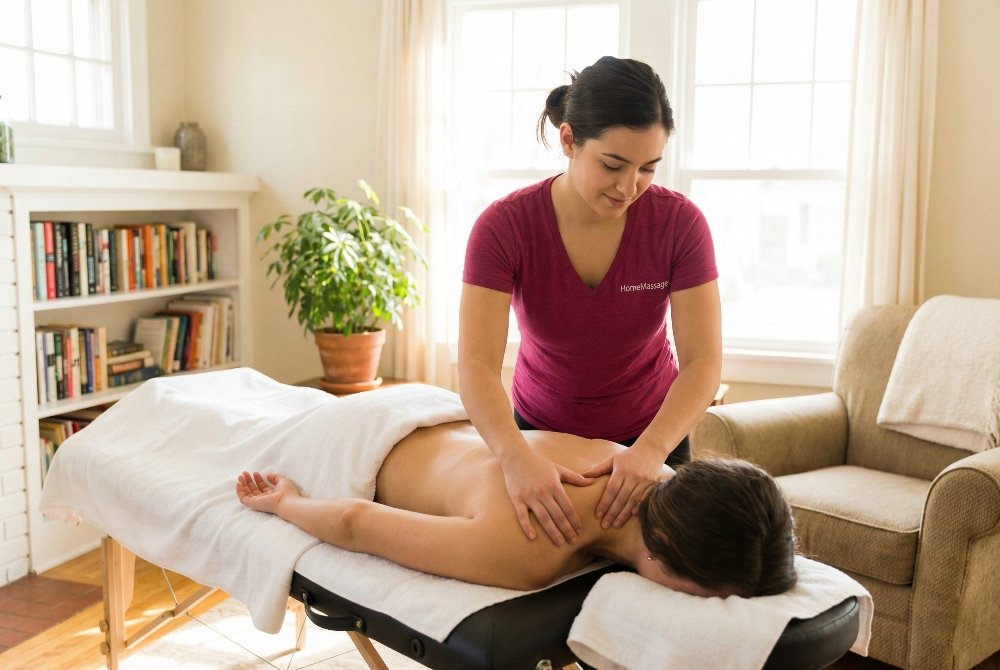
Healthy Alternatives to Water for Recovery
While filtered water is the gold standard, specific functional beverages offer valuable post-massage support.
Coconut water plus electrolyte drinks
Pure coconut water supplies bioavailable potassium (approximately 600 mg per 240 ml / 8 fl oz serving), magnesium, and sodium to replenish cellular electrolytes depleted by intense deep tissue sessions. Electrolyte solutions with minimal added sugars support neuro-muscular signaling and prevent muscle cramping. Avoid commercial sports drinks laden with artificial dyes or high sodium unless extensive perspiration occurred.
Herbal teas vs. alcohol or caffeine
Caffeine-free herbal infusions like chamomile, peppermint, and ginger promote digestion and sustain parasympathetic nervous system activation without diuretic penalties.
Avoid alcoholic beverages for at least 6 to 12 hours post-session. Alcohol is a potent diuretic that dehydrates tissue beds, burdens the liver, and disrupts deep regenerative REM sleep. Limit caffeinated beverages immediately following appointments to avoid vasoconstriction and mild diuretic fluid loss.
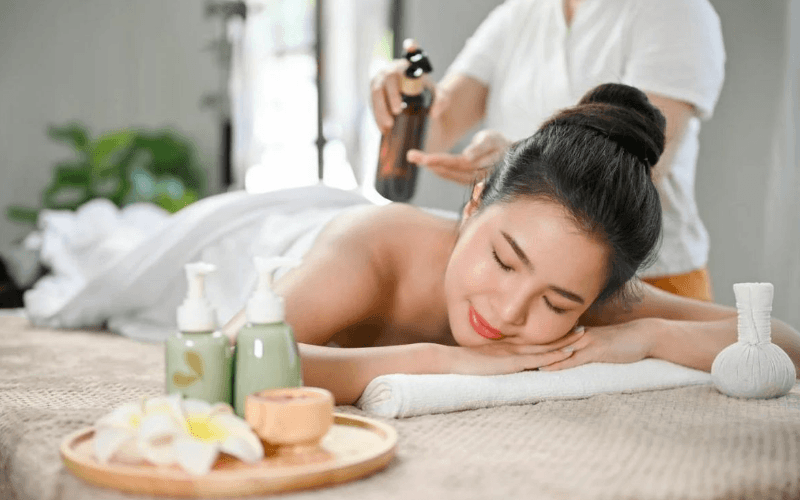
Common Myths vs. Facts: Does It Flush Toxins?
The claim that massage “releases environmental toxins” is a common industry misconception. Bodywork does not squeeze industrial pollutants or heavy metals from cells; rather, mechanical pressure enhances vascular and lymphatic microcirculation. This assists your physiological filtration systems—primarily your kidneys, liver, and spleen—in transporting and excreting standard endogenous metabolic waste products such as lactic acid, extracellular debris, and broken-down metabolites.
Drinking water ensures optimal blood volume and glomerular filtration pressure, enabling your kidneys to eliminate these natural biological byproducts smoothly.
Frequently Asked Questions
How soon after therapy should I start drinking water?
You should begin drinking water within 15 to 20 minutes following your session to initiate renal filtration and restore fluid volume immediately.
Can I drink other beverages instead of just water?
Yes, unsweetened coconut water and caffeine-free herbal teas provide effective hydration, but you should avoid alcohol, caffeinated drinks, and high-sugar sodas.
What if I don’t feel thirsty after my appointment?
You should drink water regardless of thirst, as the deep relaxation response can temporarily blunt normal physiological thirst mechanisms.
Is it possible to drink too much fluid after bodywork?
Yes, drinking excessive water in a short window can trigger hyponatremia; sip steadily in moderate portions (120 ml to 180 ml / 4 fl oz to 6 fl oz) over several hours instead.
Do different oils affect hydration needs?
No, topical massage lotions and nut-free oils do not alter systemic hydration needs, though certain stimulating essential oils may have mild diuretic properties that benefit from a glass of water.
Should I adjust intake based on room temperature?
Yes, warmer treatment rooms increase cutaneous perspiration and respiratory fluid loss, requiring an additional 250 ml to 500 ml (8 fl oz to 16 fl oz) of water.
How long should I continue increased hydration?
You should maintain elevated fluid intake for 24 hours post-treatment to facilitate complete metabolic excretion and tissue rehydration.
HomeMassage delivers licensed in-home bodywork across all five NYC boroughs—Manhattan, Brooklyn, Queens, The Bronx, and Staten Island—daily from 07:00 to 21:00. Coordination office: 106 W 32nd St, New York, NY 10001, USA. Phone: +1 (917) 426-9100. Website: https://homemassagenyc.com.