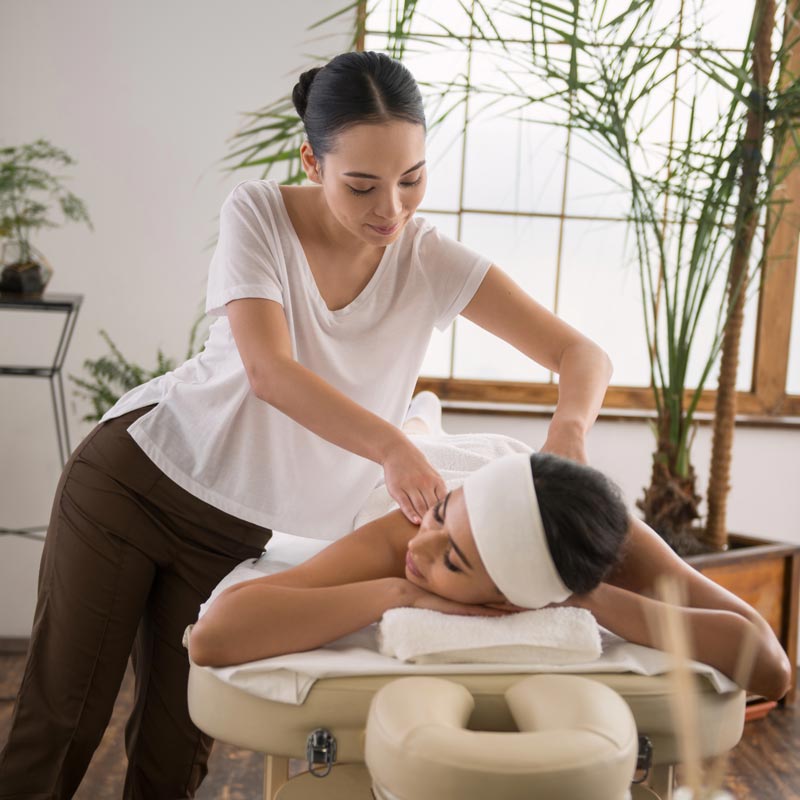
Your therapeutic session with HomeMassage continues long after our private massage therapist NYC packs up their professional equipment. The post-treatment period is essential for prolonging neuromuscular benefits, stabilizing circulation, and facilitating natural metabolic recovery. Following targeted aftercare protocols ensures that your body fully absorbs the restorative effects of your personalized bodywork.
Immediate Steps Following Your Home Massage Service
Taking structured recovery actions immediately after your session preserves muscular relaxation and prevents post-treatment stiffness. Implementing proactive hydration, proper nutrition, and calm rest helps stabilize your nervous system while your soft tissues adapt to therapeutic manipulation.
Drink Plenty of Water for Toxin Elimination
Hydrating immediately after massage therapy restores fluid balance and accelerates the clearance of metabolic waste released from manipulated muscle tissues. Within 30 minutes of your session, drink fresh filtered water to support cellular rehydration and explore why drink water after massage to optimize your body’s natural recovery pathways.
- Consume 16–20 fl oz (475–600 ml) of water within the first hour following your treatment.
- Sip water continuously throughout the day in small, frequent amounts rather than large single servings.
- Replenish essential electrolytes with mineral-rich options, such as coconut water, electrolyte-infused water, or light broths.
- Restrict caffeinated beverages for at least 2–3 hours to prevent vascular constriction and rapid dehydration.
Eat a Light, Nutritious Snack for Refueling
Consuming a light, nutrient-dense snack within 30 to 60 minutes after your appointment supplies the amino acids and micronutrients necessary for muscular rebuilding. Choosing easily digestible whole foods supports recovery without diverting excessive energy toward complex gastrointestinal digestion.
- Select clean protein sources, such as Greek yogurt, raw almonds, or hard-boiled eggs, to support muscle repair.
- Incorporate anti-inflammatory foods, such as fresh blueberries, wild salmon, or dark leafy greens, to reduce systemic oxidative stress.
- Avoid heavy, fried meals and processed sugars that can induce lethargy and promote inflammatory responses.
- Choose slow-burning carbohydrates, such as rolled oats, quinoa crackers, or fresh bananas, to sustain physical stamina.
Continue Resting for Prolonged Swedish Massage Benefits
Resting quietly for 30 to 60 minutes after a session extends the parasympathetic state initiated by Professional Swedish Massage Service techniques. Shielding your mind and body from external stimulation allows heart rate and blood pressure to normalize gradually.
- Dim surrounding room lights and create an ambient, tranquil recovery space.
- Engage in low-stimulation relaxation activities, such as mindful breathing, light reading, or quiet reflection.
- Postpone urgent business calls, stressful negotiations, and rigorous physical chores for several hours.
- Take a brief 20-minute nap if your body signals fatigue to facilitate deep cellular restoration.
Managing Soreness After Deep Tissue plus Sports Massage
Managing mild post-treatment tenderness after Premier Deep Tissue Massage Service or Sports Massage Service requires passive restoration, gentle thermal therapy, and inflammation control. Deep pressure breaks down stubborn adhesions and mobilizes fascia, occasionally triggering temporary soreness akin to a vigorous athletic workout.
Using Warm Epsom Salt Baths for Muscle Relaxation
Soaking in a warm Epsom salt bath relieves lingering muscle soreness by facilitating transdermal magnesium absorption and easing musculoskeletal tension. The warm water promotes peripheral circulation, allowing hypertonic muscles to release chronic contraction patterns.
- Fill a clean bathtub with warm water maintained between 37°C and 39°C (98°F–102°F).
- Dissolve 1–2 cups (240–480 g) of pure magnesium sulfate crystals thoroughly into the running water.
- Immerse your body for 15–20 minutes to achieve optimal neuromuscular easing without dehydrating skin.
- Add a few drops of pure lavender essential oil, as featured in our overview on aromatherapy massage, to induce deeper mental tranquility.
Applying Cold Compresses for Reducing Inflammation
Targeted cold therapy constricts dilated blood vessels, diminishes localized inflammation, and numbs acute tenderness following intensive myofascial manipulation. Apply cold packs to focused treatment zones if you experience acute muscle heat or localized swelling.
- Wrap gel ice packs or flexible cold compresses in a clean cotton towel before skin placement.
- Limit cold therapy applications to 10–15 minutes per specific anatomical zone to protect surface microcirculation.
- Alternate between cold packs and warm compresses only after the initial 24-hour post-session window has passed.
- Apply localized cold compresses within the first 12–24 hours to achieve maximum anti-inflammatory efficiency.
Differentiating Between Good Soreness vs. Overexertion
Differentiating between therapeutic muscle responses and adverse strain allows you to gauge recovery accurately or apply gentle self massage techniques safely. Expected post-massage soreness mirrors delayed onset muscle soreness (DOMS) resulting from healthy tissue remodel.
Expected therapeutic soreness presents with:
- Mild, dull muscular tenderness localized to areas that received deep focal work.
- Symptom onset within 12–24 hours post-treatment and steady resolution within 24–48 hours.
- Maintained joint mobility and positive physical responsiveness to gentle hydration and warmth.
Symptoms requiring clinical consultation include:
- Sharp, radiating, or lancinating nerve pain during basic body movements.
- Persistent discomfort or joint swelling that does not improve after 72 hours.
- Sudden numbness, pins-and-needles paresthesia, or unexplained skin bruising.
What Should Be Avoided Following a Massage Session
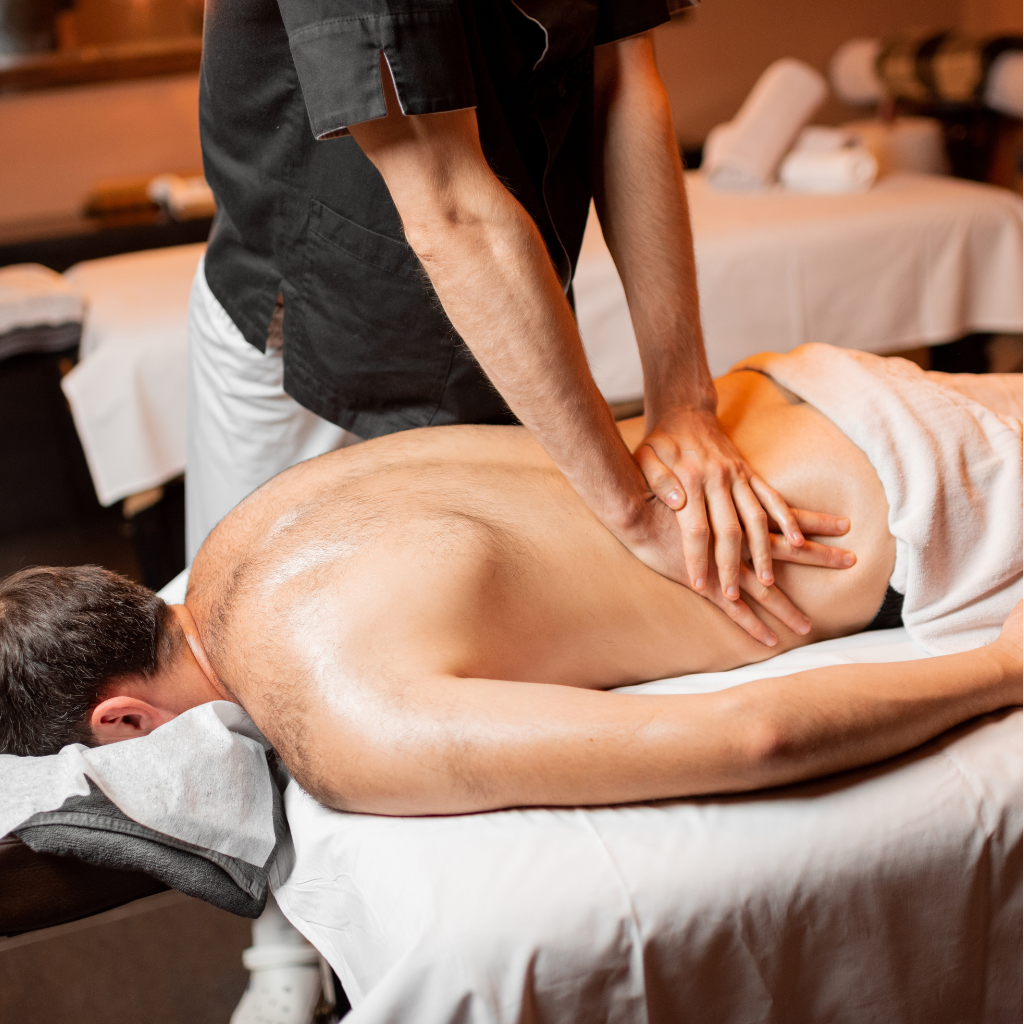
Avoiding specific physiological stressors immediately after treatment prevents dehydration, mitigates circulatory strain, and protects manipulated muscle fibers. Giving your soft tissues adequate downtime ensures that neuromuscular realignments integrate sustainably without aggravating systemic fatigue.
Skipping Alcohol plus Caffeine for Dehydration Prevention
Refraining from alcoholic and caffeinated beverages for at least 4 to 6 hours post-massage prevents vascular dehydration and optimizes renal filtration. Both substances act as diuretics that flush necessary cellular fluids, increasing post-session muscle tenderness.
- Avoid beer, wine, and spirits for a minimum of 4–6 hours following your appointment.
- Limit high-caffeine beverages, including espresso, energy drinks, and black teas, to keep your vascular system relaxed.
- Substitute dehydrating drinks with restorative fluids, such as chamomile tea, peppermint infusion, or water with fresh citrus slices.
- Maintain consistent water intake to counteract systemic dehydration vulnerabilities throughout the rest of your day.
Avoiding Strenuous Exercise plus Heavy Lifting
Postponing heavy resistance training and high-intensity cardiovascular workouts for 24 hours prevents micro-trauma in freshly elongated muscle fibers. Your proprioceptors and muscle spindles require time to stabilize within their new ranges of motion before handling heavy mechanical loads.
- Postpone heavy barbell lifting, cross-training, and sprinting routines for at least 24 hours.
- Avoid manual labor involving heavy household lifting, repetitive overhead reaching, or strenuous yard tasks.
- Practice gentle post massage stretches and light walking to maintain joint circulation without inducing physical strain.
- Return to regular athletic training progressively while monitoring localized muscle feedback.
Reducing Screen Time along with Stressful Activities
Minimizing blue light exposure and professional stressors following your treatment sustains parasympathetic activation and preserves mental tranquility. High cognitive stress elevates circulating cortisol, rapidly reversing the autonomic relaxation cultivated during your massage.
- Silence corporate mobile devices and step away from computer screens for 1–2 hours post-session.
- Postpone complex negotiations, emotionally charged conversations, and stressful administrative obligations.
- Immerse your environment in peaceful stimuli, such as ambient instrumental music, nature sounds, or soft natural lighting.
- Perform slow diaphragmatic breathing exercises to maintain lower heart rate variability and deep physical ease.
Tailoring Aftercare regarding Specific HomeMassage Services
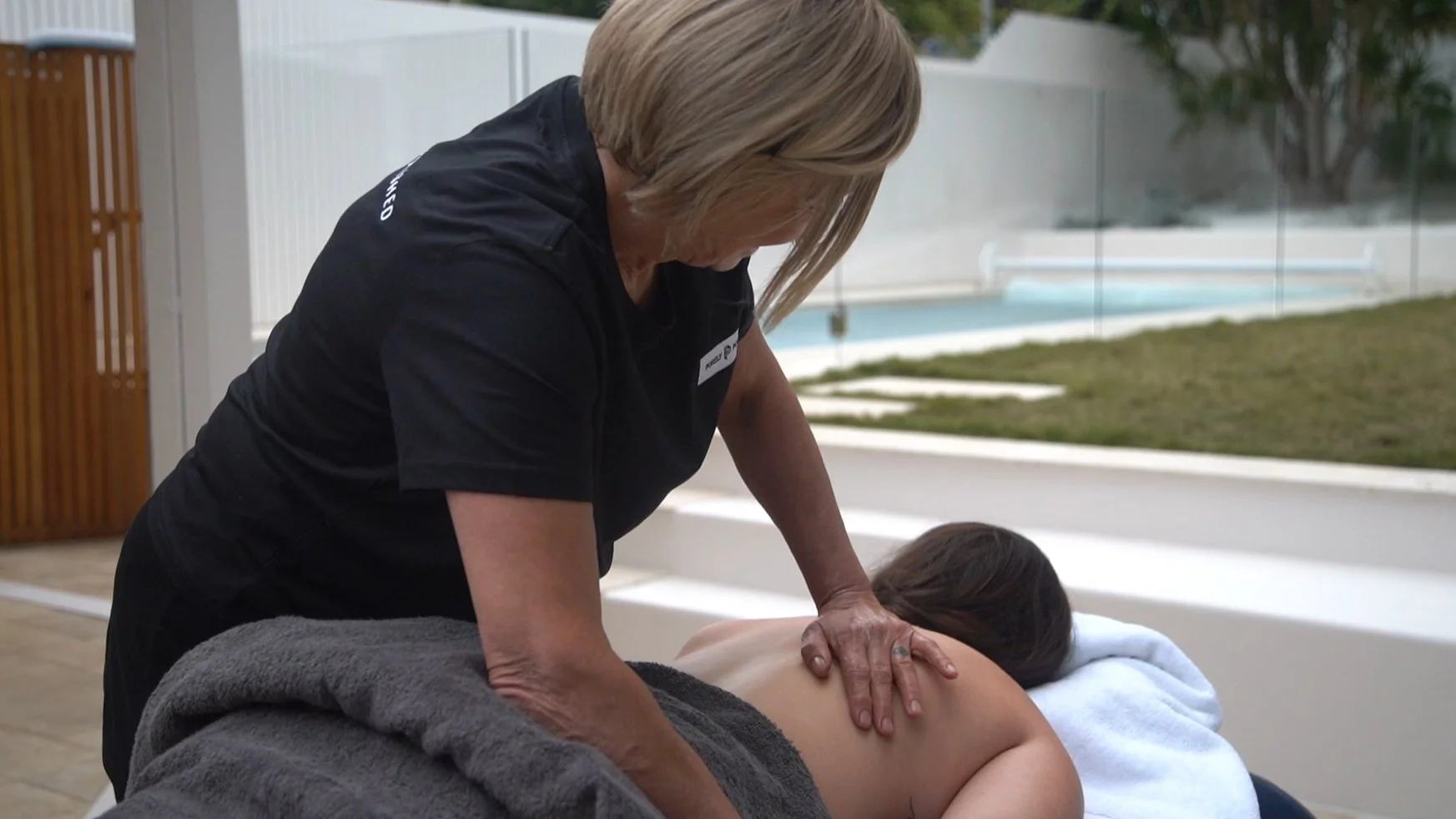
Customizing your post-session routine according to your specific massage modality maximizes therapeutic benefits and addresses targeted physiological demands. Each bodywork style affects muscular, circulatory, and nervous structures differently, warranting individualized post-treatment care.
Special Considerations After Prenatal Massage
Post-massage care following Professional Prenatal Massage Service requires targeted positional adjustments and gentle hydration to protect maternal and fetal comfort. HomeMassage provides specialized prenatal sessions for clients in their second and third trimesters (from week 13 onward), utilizing side-lying positioning and supportive pregnancy pillows, just as careful home massage preparation ensures an optimal session.
- Rise from the massage table slowly through a seated side posture to prevent postural orthostatic hypotension or dizziness.
- Drink room-temperature water gradually throughout the afternoon to accommodate expanded maternal plasma volume.
- Rest in a side-lying posture supported by pillows placed between your knees and beneath your abdomen.
- Notify your obstetrician or certified midwife immediately if you notice unusual abdominal cramping or persistent headaches.
- Schedule follow-up prenatal sessions every 2–4 weeks based on the clinical guidance of your prenatal LMT.
Recovery Tips for Couples plus Chair Massage Sessions
Post-care for Professional In-Home Couples Massage Service and Premier Chair Massage Service focuses on synchronized rest and ergonomic transition back into daily activities. Tailoring aftercare to these distinct formats prolongs their shared emotional and practical benefits.
For couples massage recovery:
- Prolong the shared therapeutic environment by keeping household conversation tranquil and quiet.
- Coordinate relaxing post-session activities, such as resting together, hydrating, or listening to calming music.
- Support each other’s recovery schedule by delegating domestic responsibilities until the following day.
For recipients of our chair massage nyc service:
- Take 5–10 minutes before resuming intense computer workstations, presentations, or business tasks.
- Perform gentle active neck rotations and shoulder rolls to retain improved cervical mobility.
- Adjust office chair height, desk alignment, and monitor ergonomics to sustain postural improvements.
Frequently Asked Questions About After Massage Care
Is feeling emotional normal after a massage?
Yes, experiencing an emotional response after a massage is completely normal and indicates a genuine neuromuscular release. Somatic tension frequently locks emotional stress within fascial layers and muscle tissue. When therapeutic bodywork releases chronic myofascial restriction, stored stress hormones drop, allowing suppressed emotional states like tearfulness, laughter, or sudden relief to surface naturally.
Acknowledge these feelings without self-judgment or resistance. Therapeutic touch activates your parasympathetic nervous system, rebalancing emotional equilibrium and restoring whole-body coherence.
How long should I wait before showering?
You should wait at least 2 to 3 hours before showering after a professional massage session. This interval allows therapeutic, non-scented, nut-free massage oils and conditioning creams to absorb fully into dermal tissue, maximizing transdermal hydration and skin barrier nourishment.
Take a warm or lukewarm shower rather than a steaming hot bath if you choose to bathe sooner. Extremely hot water increases cardiovascular strain, promotes dizziness, and washes away beneficial skin lipids. Pat your skin dry gently with a soft towel to prevent abrasive muscular tension.
When is the best time for booking my next Home Massage Service in NYC?
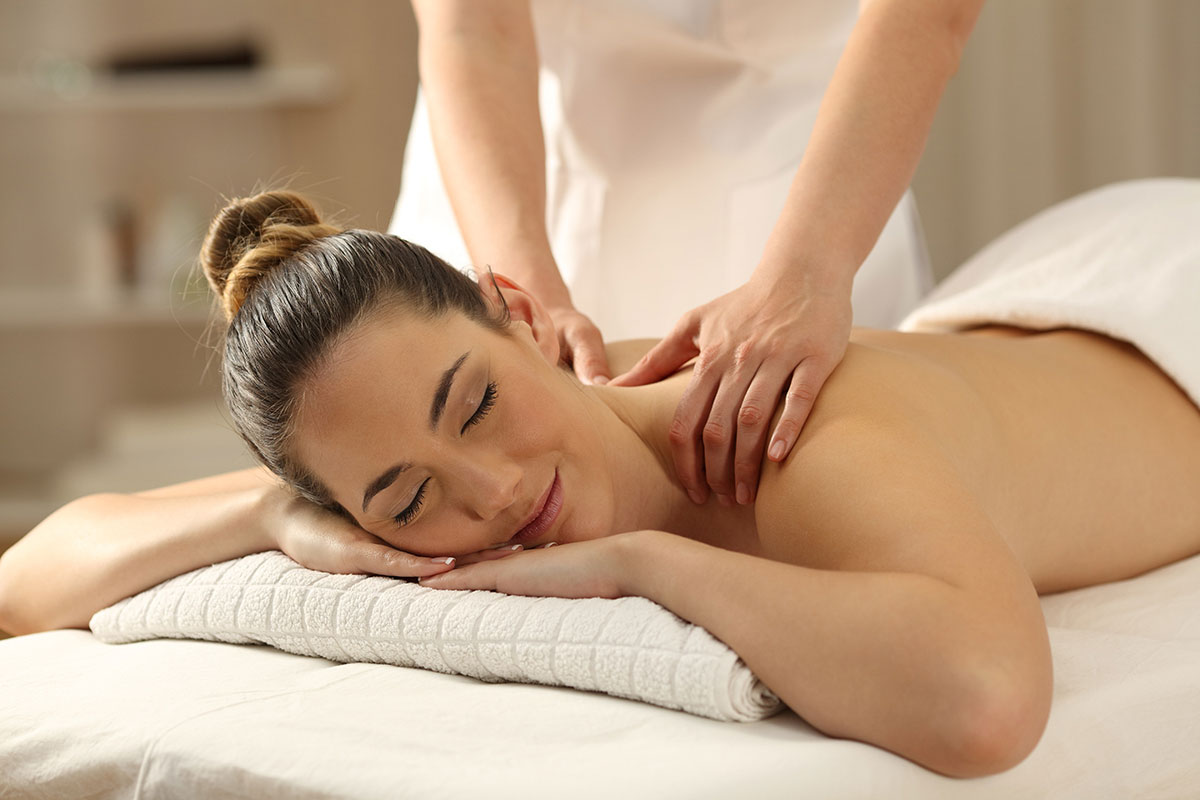
The optimal frequency for booking an in-home massage in New York City is once every 2 to 4 weeks depending on your stress, pain, and athletic recovery goals. Clients managing chronic postural pain, marathon training, or acute work stress benefit from bi-weekly appointments, while general musculoskeletal maintenance thrives on monthly treatments.
HomeMassage operates as a 100% mobile on-demand service throughout all five boroughs of New York City: Manhattan, Brooklyn, Queens, The Bronx, and Staten Island. Every session is delivered directly to your home, apartment, hotel, or office by a Licensed Massage Therapist (LMT) credentialed by the New York State Education Department (NYSED). Appointments are available from 07:00 to 21:00, seven days a week, with scheduling coordinated through our Midtown Manhattan center at 106 W 32nd St, New York, NY 10001, USA.