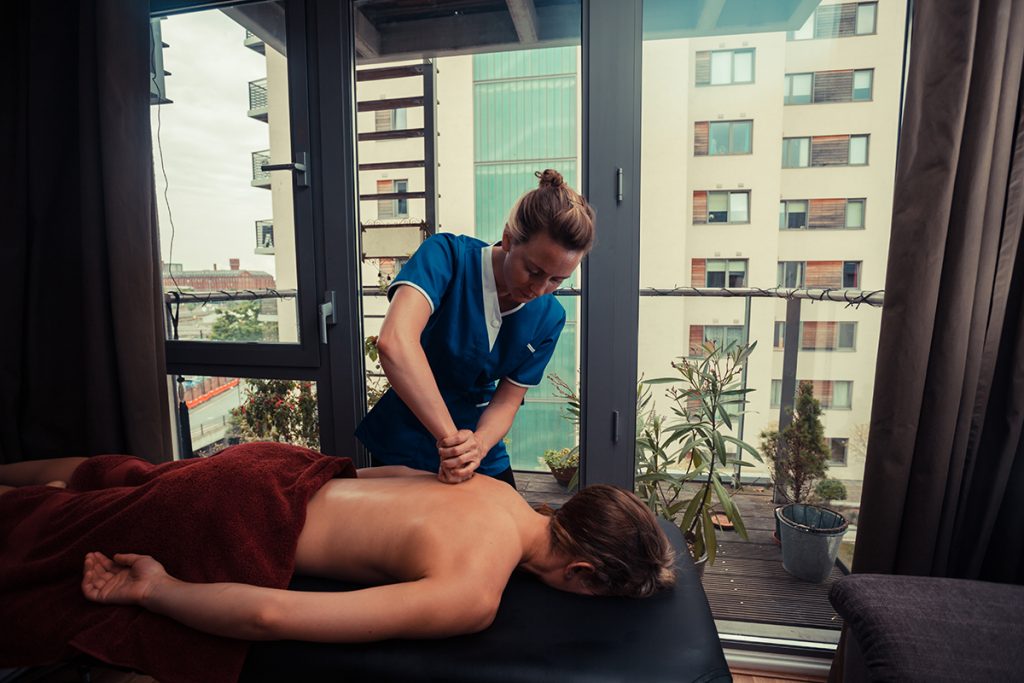
Training for the New York City Marathon demands more than physical endurance. Strategic muscular recovery optimizes athletic performance across the 26.2-mile course spanning New York City’s five boroughs. HomeMassage delivers licensed in home sports massage nyc sessions directly to your apartment, home, or hotel across Manhattan, Brooklyn, Queens, The Bronx, and Staten Island.
Every session is performed by a Licensed Massage Therapist (LMT) holding credentials from the New York State Education Department (NYSED). HomeMassage customizes manual protocols for distance runners, targeting primary muscle groups, reducing tension, and clearing metabolic waste products efficiently.
Elevate Your Run with HomeMassage Service in New York City
Distance runners integrate structured manual therapy into preparation protocols to sustain peak conditioning. HomeMassage brings professional home massage service in NYC directly to your living space, eliminating post-workout travel across busy transit routes.
Our licensed practitioners integrate targeted techniques from our core offerings, including Premier Deep Tissue Massage Service and Professional Swedish Massage Service. Receiving care in your private space preserves post-treatment parasympathetic activation and accelerates muscular rest between rigorous training blocks.
The New York City Marathon route imposes specific biomechanical stresses across varied terrain. The steady inclines of the Queensboro Bridge, the rolling hills along Central Park, and the flat pavement of the boroughs challenge the calves, quadriceps, and hip stabilizers. Our LMTs customize pressure and focus areas according to your exact training mileage.
Research indicates that manual therapy supports athletic preparation by mitigating exercise-induced fatigue. Studies from the American Massage Therapy Association document that targeted sports bodywork can reduce delayed-onset muscle soreness (DOMS) by up to 30%, assisting runners in maintaining consistent training volume.
Optimal Timing for Sports Recovery Services During Marathon Training
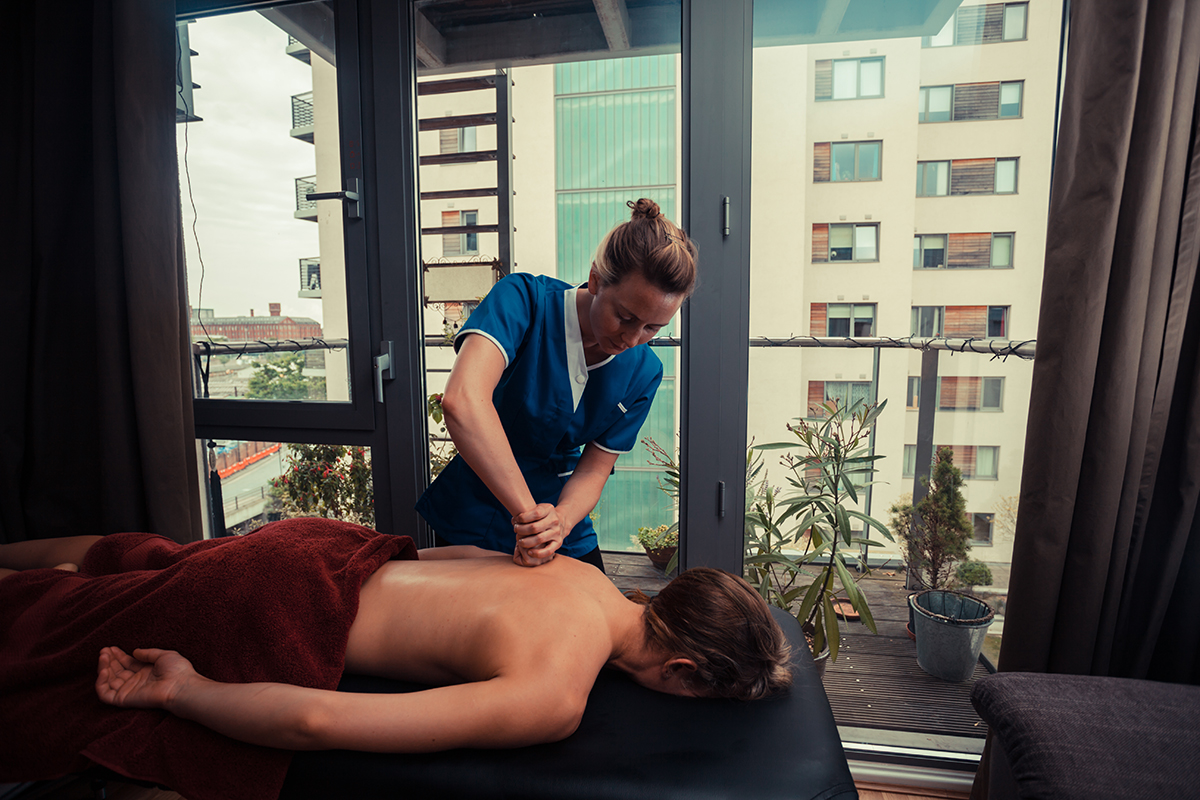
Strategic scheduling maximizes sports massage benefits across macrocycles, tapering phases, and post-race restoration. Applying specific modalities at designated intervals optimizes athletic output while preventing overuse injuries.
Pre-Race Preparation: Getting Muscles Ready for NYC Marathon
You should schedule your pre-event sports massage session 24 to 48 hours prior to marathon morning. This designated timeframe allows muscle tissue to integrate neuromuscular stimulation while preventing post-treatment lethargy or residual soreness.
Pre-event bodywork prioritizes hyperemic circulation and tissue suppleness over deep structural compression. Therapists apply moderate pressure—rated level 3 on the HomeMassage 1–5 pressure scale—using rhythmic, brisk strokes to stimulate blood flow, warm muscle beds, and enhance range of motion without inducing muscle micro-trauma.
Sessions range from 60 to 90 minutes based on athlete preference, addressing the quadriceps, hamstrings, gastrocnemius, soleus, and hip flexors. Preparing these kinetic chains supports fluid stride mechanics and reduces pre-race neuromuscular tension.
Post-Run Care: Accelerating Recovery After Racing
Post-marathon recovery sessions deliver optimal physiological benefits when scheduled 24 to 72 hours following race completion. This delay allows acute exercise-induced inflammation to stabilize before applying targeted restorative pressure.
Intense marathon exertion produces acute micro-tears, local inflammation, and elevated cellular metabolic waste. Delaying deep manual manipulation protects sensitized tissues while supporting systemic vascular return once acute soreness begins subsiding.
Post-race sessions utilize moderate-to-deep pressure (levels 3 to 4) through specialized sports massage for recovery protocols, including:
- Light circulatory effleurage to support lymphatic return
- Gentle myofascial release along shortened connective bands
- Targeted neuromuscular trigger point therapy on hypertonic nodes
Prioritizing drinking water after massage remains essential for replenishing intravascular volume and assisting metabolic waste elimination. Clinical research published in Science Translational Medicine (Crane et al., 2012) demonstrates that post-exercise manual therapy downregulates inflammatory cytokine signaling and stimulates mitochondrial biogenesis in exerted muscle tissue.
Specialized Techniques Offered by HomeMassage
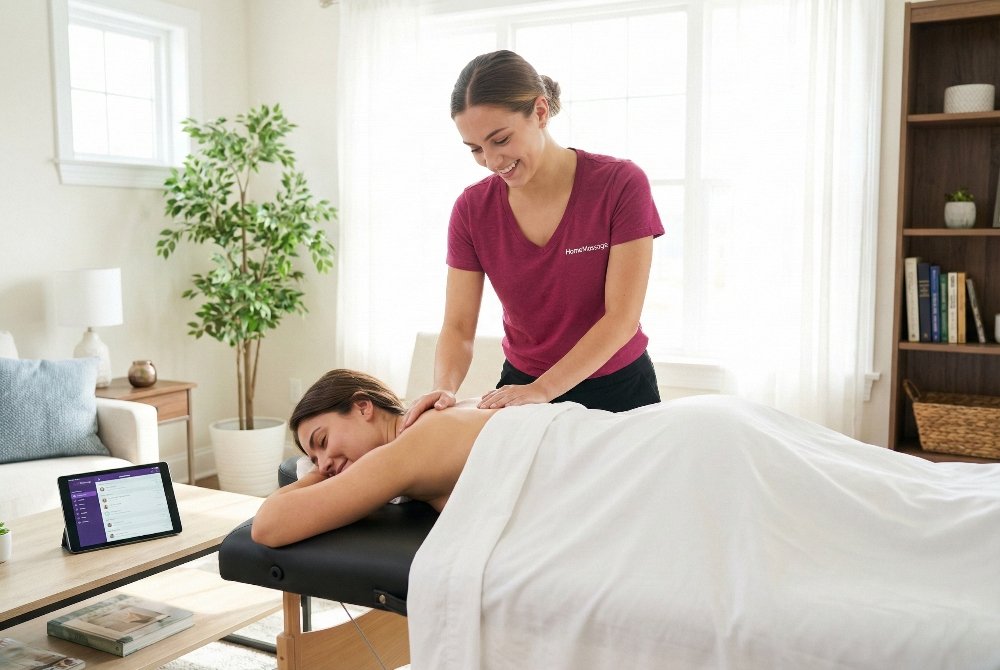
HomeMassage LMTs complete rigorous continuous education, including a minimum of 24 specialized hours in athletic and sports protocols. Each modality serves a precise biomechanical role in injury rehabilitation and physical performance maintenance.
Deep Tissue Therapy for Injury Recovery
Deep tissue work targets deeper muscular planes and dense fascia where repetitive strain creates chronic restrictions. Therapists apply slow, concentrated longitudinal stripping and cross-fiber friction with firm pressure (levels 4 to 5 on the 1–5 scale) to resolve cross-linked collagen adhesions.
For marathon runners, targeted deep pressure provides relief for iliotibial (IT) band tightness, plantar fasciitis discomfort, and chronic calf hypertonicity. Focused ischemic compression releases active trigger points in the piriformis, soleus, and gluteal complexes, restoring tissue compliance and joint mechanics.
Swedish Modalities for Relaxation and Circulation
Swedish massage establishes foundational systemic recovery through rhythmic strokes designed to enhance venous return and reduce sympathetic nervous activity. HomeMassage practitioners utilize the five classical strokes:
- Effleurage: Long, gliding strokes directed toward the heart to increase circulation, warm superficial muscle fibers, and facilitate lymphatic flow.
- Petrissage: Rhythmic kneading and compression that lifts muscular bundles, releasing metabolic tension accumulated during high-mileage weeks.
- Friction: Transverse circular or linear strokes generating localized heat to soften organized scar tissue and restore myofascial elasticity.
- Tapotement: Percussive tapping and cupping to invigorate dormant neuromuscular pathways and encourage muscle tone.
- Vibration: Gentle oscillating movements that soothe sensitized peripheral nerve endings and promote systemic relaxation.
Research published in the Journal of Alternative and Complementary Medicine (Rapaport et al., 2010) demonstrates that a 45-minute Swedish session reduces circulating cortisol levels while supporting immune lymphocyte counts, fostering an optimal biological environment for tissue regeneration.
Integrating Stretching and Manual Therapy
HomeMassage therapists combine passive stretching, active isolated movements, and proprioceptive neuromuscular facilitation (PNF) with hands-on bodywork to restore functional mobility. Pairing myofascial release with stretching after deep tissue massage increases joint range of motion across the hips, knees, and ankles, correcting repetitive stride imbalances.
Benefits of Home Recovery Service for NYC Runners
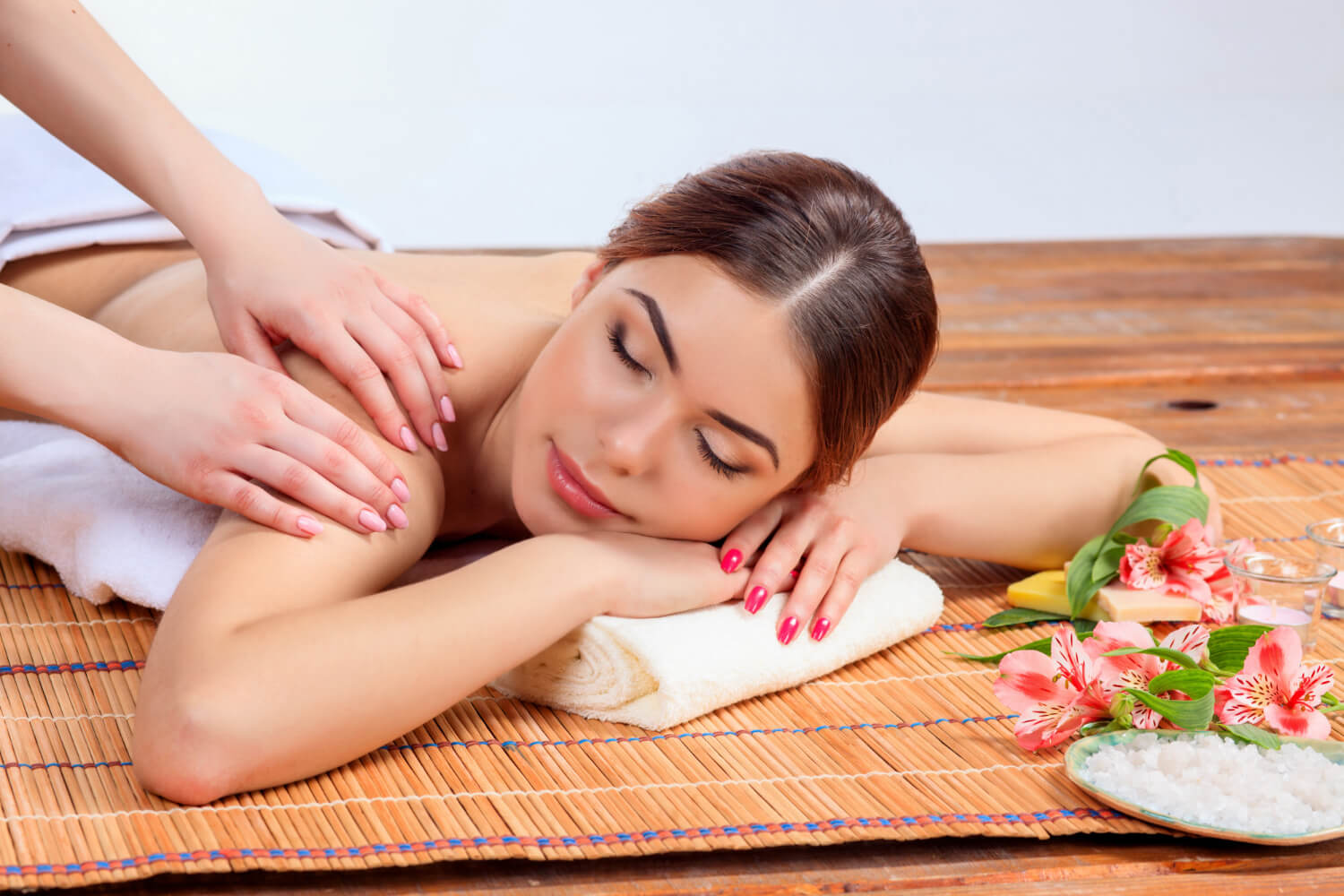
In-home sports therapy offers distinct physiological and logistical advantages over destination spa visits, especially when navigating New York City.
Enhanced Muscle Recovery and Reduced Fatigue
Receiving treatment at home enables immediate, undisturbed rest following your session. Eliminating the physical stress of subway stairs, crowded sidewalks, and traffic preserves the parasympathetic state, allowing tissues to repair without re-engaging postural muscles prematurely.
The familiarity of your private environment minimizes autonomic stress responses. Studies from the Touch Research Institute indicate that therapeutic bodywork conducted in familiar personal environments facilitates higher reductions in baseline stress hormones compared to clinical settings.
Injury Prevention and Improved Range of Motion
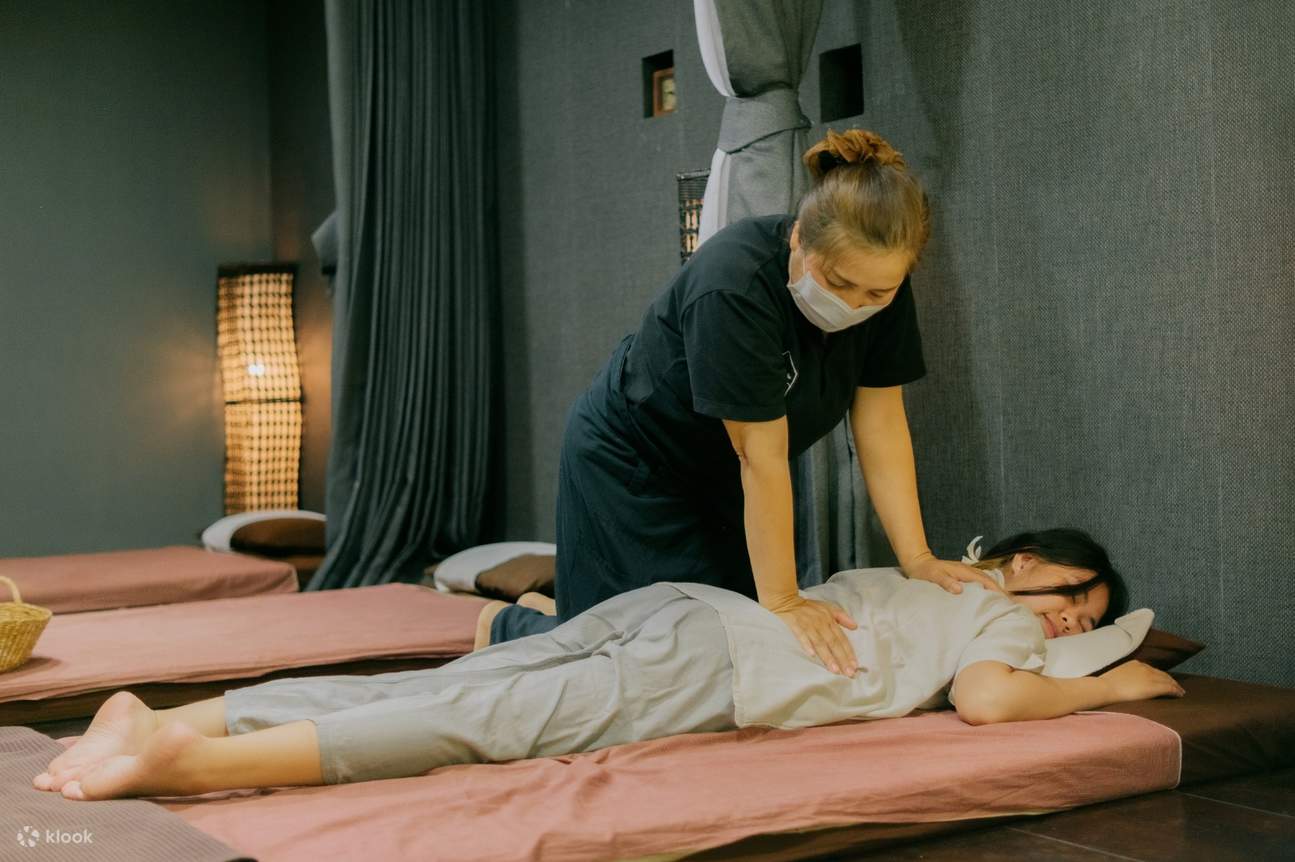
Routine therapeutic care identifies soft-tissue restrictions before they manifest as chronic overuse injuries. Manual releases on the hip flexors, tensor fasciae latae, and calves prevent common compensatory issues such as anterior pelvic tilt, Achilles tendinopathy, and plantar strain. Research in sports medicine correlates regular manual intervention with up to a 40% reduction in athletic overuse injuries.
Stress Reduction Before Race Day
Tapering and race preparation induce both muscular tension and psychological anxiety. Therapeutic bodywork stimulates vagal activity, lowering resting heart rate, stabilizing sleep architecture, and alleviating postural guarding in the neck and shoulders. Improved sleep quality directly translates into higher carbohydrate storage and cellular recovery prior to marathon day.
Recommended Frequency for Marathon Recovery Plans
Session cadence should reflect mileage accumulation, workout intensity, and individual conditioning requirements across your training calendar:
- Base-Building Phase (12–20 miles/week): Bi-weekly sessions support tissue elasticity and address nascent structural imbalances.
- Peak Training Phase (30–50+ miles/week): Weekly sessions manage cumulative tissue fatigue, flushing metabolic waste and addressing active trigger points.
- Taper Phase: Maintenance frequency with reduced pressure (Swedish-based levels 2 to 3) preserves muscle readiness without creating post-session lethargy.
- Post-Marathon Recovery: Schedule an initial session 24 to 72 hours post-race, followed by a second session 5 to 7 days later to restore tissue architecture.
Book Your Home Recovery Service in New York City Today
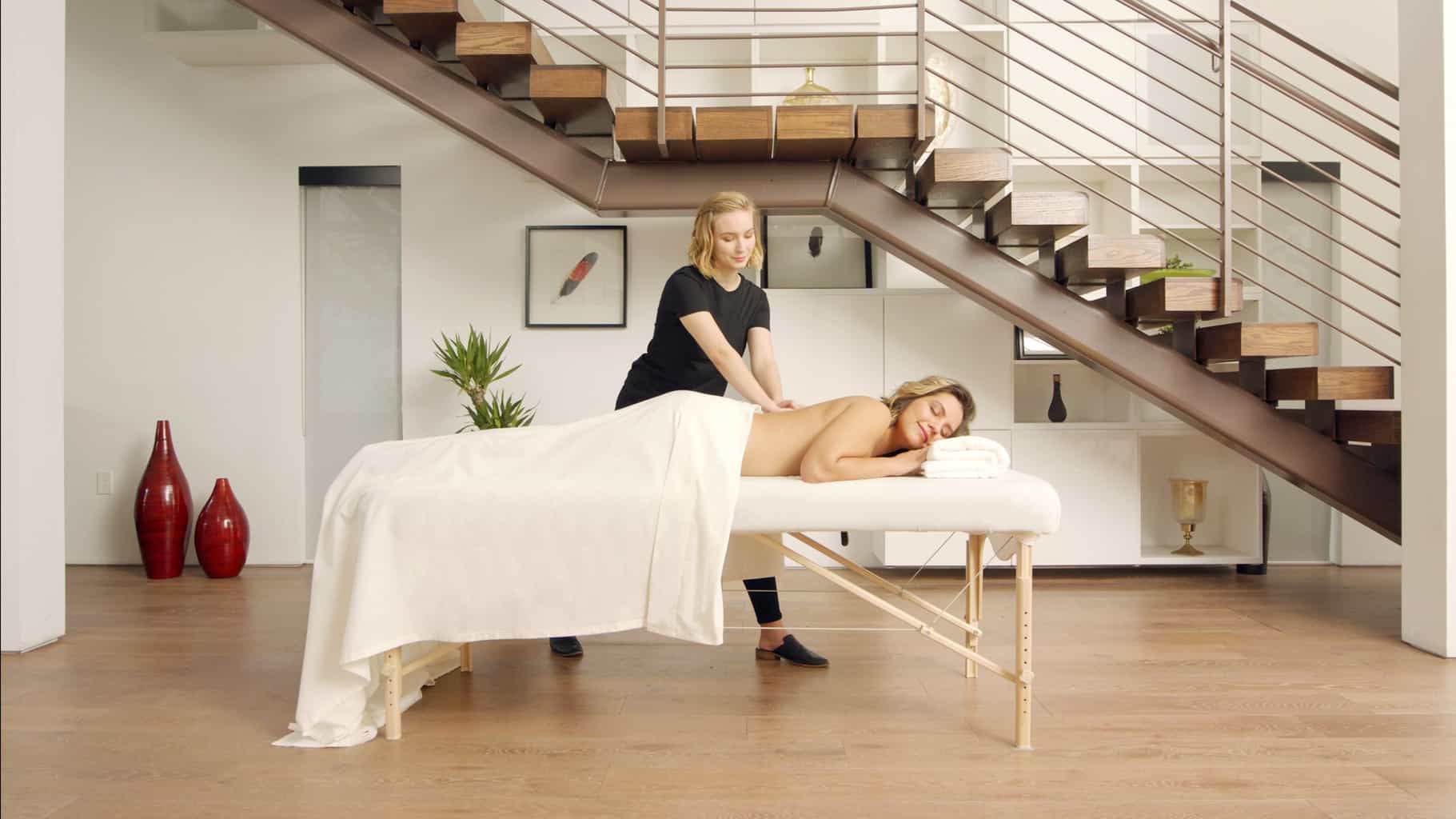
HomeMassage delivers licensed in-home sports bodywork directly to distance runners across New York City. Operating as a 100% mobile service, our NYSED-licensed massage therapists bring sanitized professional tables, fresh linens, and hypoallergenic, nut-free oils to your residence.
Every appointment delivers full hands-on duration: a 60-minute booking provides 60 minutes of actual treatment, with setup (10–15 minutes) and cleanup completed outside treatment time.
- Service Pricing (Sports Massage Service): $180 for 60 minutes, $250 for 90 minutes, and $320 for 120 minutes.
- Coverage: Manhattan, Brooklyn, Queens, and The Bronx (all inclusive). Staten Island appointments include a flat $30 travel surcharge.
- Operating Hours: 07:00 – 21:00, Monday through Sunday (7 days a week).
- Coordination Office: 106 W 32nd St, New York, NY 10001, USA (administrative dispatch center; not a walk-in clinic).
- Contact & Reservations: Call +1 (917) 426-9100 or reserve online at homemassagenyc.com.