Deep tissue therapy relieves muscle tension and chronic discomfort across New York City. Whether you seek clinical relief or schedule a sports massage nyc, targeted post-treatment stretching maintains structural flexibility and accelerates muscular recovery.
Why Stretching After Deep Tissue Therapy Is Crucial for Recovery
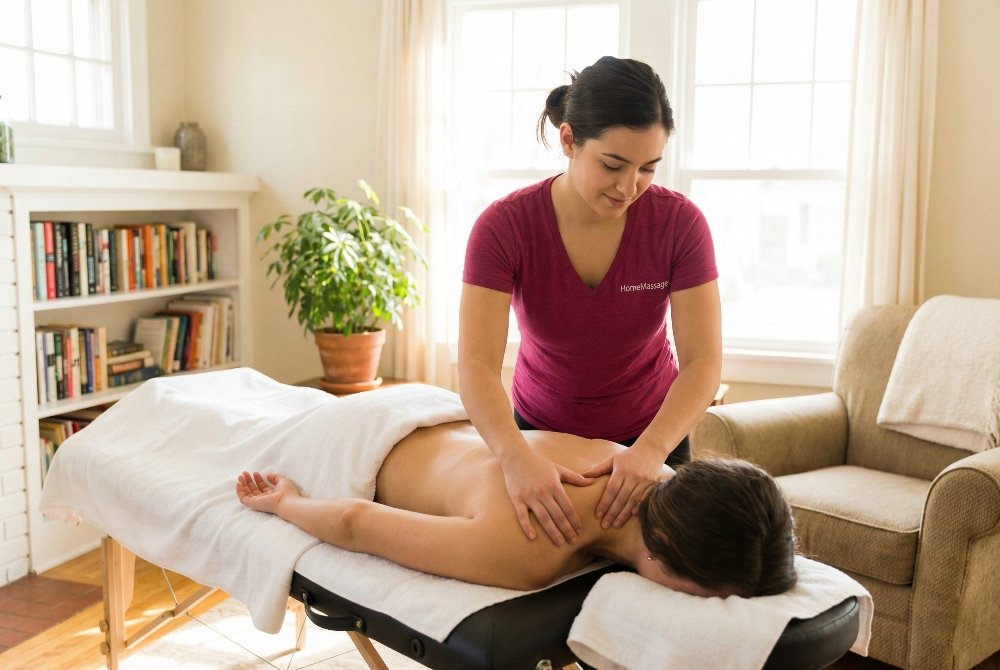
Post-session stretching enhances recovery rates and extends therapeutic outcomes by restoring functional movement patterns. HomeMassage licensed massage therapists incorporate targeted stretching into post massage care protocols to sustain treatment results.
Prolonging the Benefits of Your Bodywork Session
Stretching preserves the muscular elongation achieved during deep manual manipulation. Performing gentle stretches within 2 hours post-session extends tissue pliability for 24 to 48 hours. Deep bodywork softens dense connective tissue, which creates an optimal physiological window for flexibility gains.
Studies indicate that combining manual therapy with guided movement produces outcomes comparable to combining yoga massage, increasing joint range of motion by 15% over isolated bodywork. HomeMassage clients experience sustained pain relief, enhanced physical mobility, and reduced tension through regular aftercare protocols.

Reducing Post-Treatment Muscle Soreness and Tightness
Gentle movement reduces delayed onset muscle soreness (DOMS) by stimulating local blood circulation and lymphatic drainage. Focused pressure releases cellular metabolic waste products, which active stretching expels from muscle tissues.
Post-treatment soreness typically peaks 12 to 24 hours following bodywork. Structured stretching during this recovery window decreases soreness intensity by 30% and reduces average recovery duration from 3 days to 2 days.
Mechanical pressure applied during deep bodywork, similar to protocols in trigger point therapy for knots, produces transient micro-inflammation. Controlled lengthening exercises calm muscular guarding reflexes, protect neurological stability, and re-establish resting muscle length.
Improving Flexibility plus Range of Motion
Deep tissue bodywork releases fascial adhesions and elongates shortened sarcomeres. Performing deliberate stretches immediately after an appointment capitalizes on this tissue pliability to build lasting joint mobility.
Athletes frequently utilize sports massage for recovery alongside passive stretching to preserve athletic biomechanics. HomeMassage practitioners guide clients through corrective home stretches to protect structural alignment between appointments.
Mobility gains achieved from isolated bodywork decline by 40% within 48 hours without maintenance. Implementing prescribed stretches preserves 70% of improved range of motion for up to 7 days post-treatment.
Should You Stretch Before or After a Deep Tissue Service?
Post-treatment stretching delivers superior therapeutic value compared to pre-session stretching. Deep manipulation elevates muscular temperature, stimulates capillary perfusion, and reduces resting tension prior to elongation. Conversely, pre-session stretching temporarily alters baseline muscle tone, which impedes diagnostic palpation.
HomeMassage therapists evaluate muscular tissues in their natural state to identify trigger points, chronic knots, and postural imbalances. Stretching prior to an appointment masks focal hypertonicity and restricts treatment accuracy.
The optimal protocol involves light movement prior to the appointment, followed by targeted stretches 30 to 60 minutes after treatment. This timeframe lets acute tissue sensitivity settle while preserving soft tissue elasticity.
Best Post-Treatment Stretches Recommended by HomeMassage Experts
HomeMassage therapists recommend holding each stretch position for 30 seconds across 3 full sets. Maintain slow diaphragmatic breathing throughout each movement, and immediately discontinue any exercise that causes sharp pain or joint pinching.
Gentle Neck and Shoulder Stretches
- Neck Side Stretch: Lower your right ear toward your right shoulder, hold for 30 seconds, and switch sides. This stretch relieves residual hypertonicity across the upper trapezius, levator scapulae, and scalene muscles.
- Shoulder Blade Squeeze: Retract your scapulae backward and downward, hold for 10 seconds, and release smoothly for 10 repetitions. This active retraction counteracts protracted shoulders, cervical strain, and forward head posture.
- Cross-Body Shoulder Stretch: Draw your right arm horizontally across your chest using your opposite hand, holding for 30 seconds per side. This movement stretches the posterior deltoid, infraspinatus, and rhomboid muscles.
Chest Opening Stretches for Upper Body Relief
- Doorway Chest Stretch: Position your forearm on a door frame at a 90-degree angle, step forward slightly, and hold for 30 seconds per side. This action opens the pectoralis major and minor muscles treated during deep postural bodywork.
- Corner Chest Stretch: Face a wall corner, rest both palms flat against adjacent walls at shoulder height, and lean your chest inward. This variation simultaneously mobilizes the anterior chest wall and enhances thoracic spine extension.
- Clasped Hand Back Stretch: Interlace your fingers behind your sacrum, gently extend your elbows, and elevate your arms for 30 seconds. This stretch expands anterior shoulder capsules and activates upper back postural stabilizers.
Lower Back Stretches to Alleviate Tension
- Knee to Chest Stretch: Lie supine on a firm surface, draw one knee gently toward your torso, and hold for 30 seconds on each side. This decompresses lumbar facet joints and calms hypertonic spinal erectors.
- Cat-Cow Stretch: Position yourself on hands and knees, slowly alternating between lumbar flexion and controlled spinal extension for 10 to 15 cycles. This rhythmic movement lubricates intervertebral discs and reduces muscular splinting.
- Child’s Pose: Kneel with knees separated, extend your arms forward along the floor, and sink your hips toward your heels for 60 seconds. This restorative posture gently elongates the latissimus dorsi, quadratus lumborum, and sacral fascia.
Hamstring and Glute Stretches for Leg Recovery
- Supine Hamstring Stretch: Recline on your back, loop a towel around the ball of your foot, and raise your leg upward for 30 seconds per side. This supine angle stabilizes your pelvis while decompressing the posterior thigh compartment.
- Figure-4 Hip Stretch: Lie on your back, cross your right ankle over your left knee, and pull your left thigh toward your chest for 30 seconds. This stretch decompresses the piriformis, gemelli, and deep external hip rotators.
- Standing Calf Stretch: Step one leg backward, press your heel flat into the floor, and lean forward against a wall for 30 seconds per leg. This stretch lengthens the gastrocnemius, soleus, and Achilles tendon complex.
Comprehensive Aftercare Tips Beyond Stretching
Comprehensive recovery requires balancing active stretching, systematic hydration, thermotherapy, and scheduled physical rest. HomeMassage provides structured aftercare guidance to reinforce manual therapy benefits and minimize post-treatment soreness.
Importance of Hydration After Deep Tissue Therapy
Prioritizing drinking water after massage accelerates recovery; consume 16 to 24 ounces (approximately 500 to 700 ml) of water within 2 hours post-session. Deep mechanical friction shifts cellular fluid balances, requiring adequate water intake to flush out metabolic byproducts.
Inadequate fluid intake exacerbates muscle stiffness, which triggers headaches, muscle cramps, and fatigue. HomeMassage suggests maintaining elevated hydration levels for 24 hours to support physiological tissue rehydration.
Refrain from consuming alcohol and high caffeine amounts for 12 hours following treatment, as diuretics dehydrate muscle fibers and impair recovery. Unsweetened herbal teas, coconut water, and balanced electrolyte beverages provide gentle hydration support.
Using Heat Therapy to Relax Muscles
Apply moist heat for 15 to 20 minutes starting 4 to 6 hours after bodywork to encourage ongoing muscle relaxation. Warm baths infused with magnesium-rich Epsom salts soothe neuromuscular tension and soften taut fibrous bands.
Thermal applications dilate peripheral blood vessels, which increases oxygen delivery to recovering muscle tissues. Clients who utilize gentle heat therapy for 2 to 3 days following an intensive session experience significantly less residual soreness.
Avoid applying direct heat immediately after a session to prevent exacerbating localized micro-inflammation. Allow at least 2 hours to elapse before using heating pads, warm saunas, or hot tubs.
The Role of Rest and Guided Meditation
Limit physical activity to light walking for 24 hours following an intensive deep tissue session. Dedicated downtime allows your central nervous system to integrate therapeutic input and prevents overstraining tender muscular structures.
Brief mindfulness and guided meditation practices activate parasympathetic nervous tone, which lowers resting cortisol and heart rate. Spending 10 to 15 minutes meditating prior to sleep supports restorative sleep cycles and accelerates muscle repair.
Avoid strenuous resistance training, heavy lifting, and competitive sports for 24 to 48 hours following deep bodywork. This recovery window protects lengthened tissues while preventing acute muscle strains.

Why Muscles Feel Tight After a Deep Tissue Session?
Temporary post-session muscular tightness is a common physiological response driven by local micro-trauma, neuromuscular guarding, and fascial reorganization. This mild soreness typically subsides within 24 to 72 hours under proper aftercare. Deep manual friction separates chronic adhesions, triggering transient restorative inflammation.
Your central nervous system initially engages protective muscle splinting to guard recently manipulated areas. Dehydration, poor sleep, or premature strenuous exertion can prolong this muscular stiffness.
HomeMassage therapists educate clients on typical tissue healing timelines to ensure a smooth recovery. Chronic postural compensations formed over years require progressive sessions to achieve lasting structural correction.
When to Avoid Stretching and Contact Your Therapist
Discontinue stretching immediately if you encounter sharp localized pain, involuntary muscle spasms, or acute joint swelling within 24 hours post-treatment. Contact your HomeMassage licensed massage therapist to adjust your recovery protocol.
Primary contraindications for post-treatment stretching include:
- Acute muscle strains or ligament sprains sustained within 72 hours
- Debilitating delayed onset muscle soreness with limited mobility
- Visible tissue inflammation characterized by warmth, swelling, or redness
- Neurological symptoms such as numbness, tingling, or radiating extremity weakness
Passive rest and gentle joint mobilization provide safer alternatives when acute contraindications are present. HomeMassage practitioners tailor aftercare guidance to individual medical histories and session intensities.
Consult a healthcare professional if severe pain, localized heat, or numbness persists beyond 72 hours. Professional clinical oversight ensures proper recovery and eliminates the risk of tissue aggravation.
Experience Premium Home Bodywork Service in New York City with HomeMassage
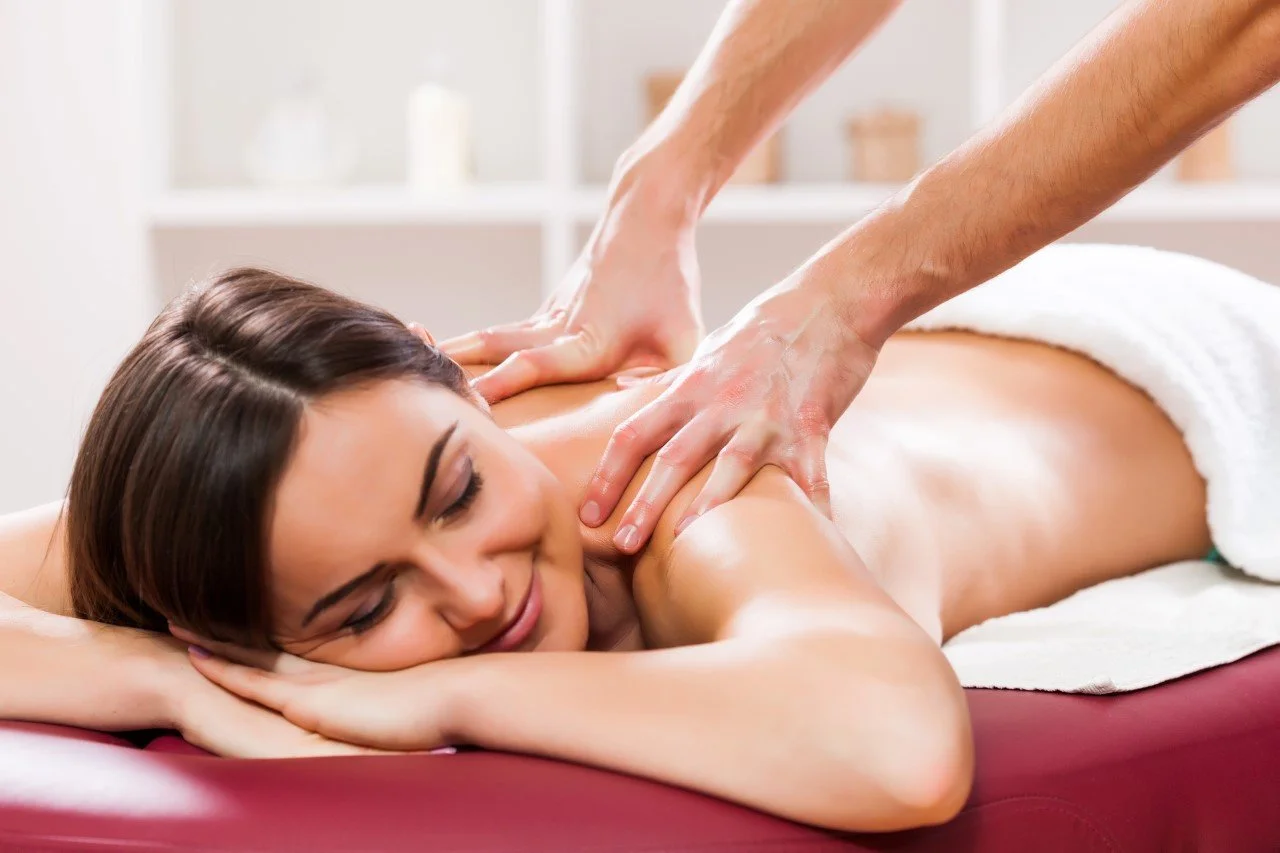
HomeMassage delivers on-demand therapeutic bodywork to private homes, hotel rooms, and corporate offices across Manhattan, Brooklyn, Queens, The Bronx, and Staten Island. Operating daily from 07:00 to 21:00, our New York State-licensed massage therapists arrive with professional massage tables, fresh linens, and hypoallergenic oils.
Our licensed in-home massage services include:
- Premier Deep Tissue Massage Service for chronic postural pain and tension relief
- Professional Swedish Massage Service for full-body relaxation and stress reduction
- Professional Prenatal Massage Service with side-lying body cushioning for expectant mothers past 13 weeks
- Sports Massage Service for pre-event activation and athletic recovery
- Professional In-Home Couples Massage Service featuring two therapists working simultaneously
- Premier Chair Massage Service on ergonomic chairs for corporate events and office wellness
Reserve your appointment through our mobile massage NYC platform to receive customized, restorative bodywork delivered directly to your door.