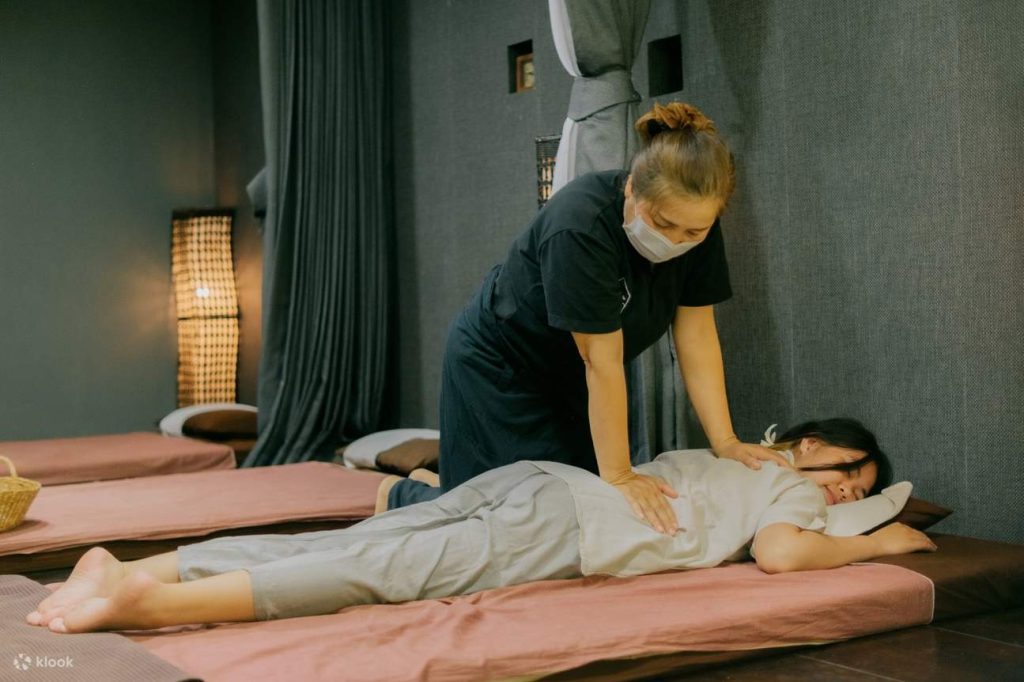
Mental health challenges affect millions of residents across New York City, where chronic stress, anxiety, and depressive symptoms frequently stem from demanding urban lifestyles. Professional therapeutic bodywork serves as an evidence-based intervention that alleviates somatic tension and supports psychological regulation through specialized manual modalities.
Understanding the Role of Massage Therapy for Mental Health
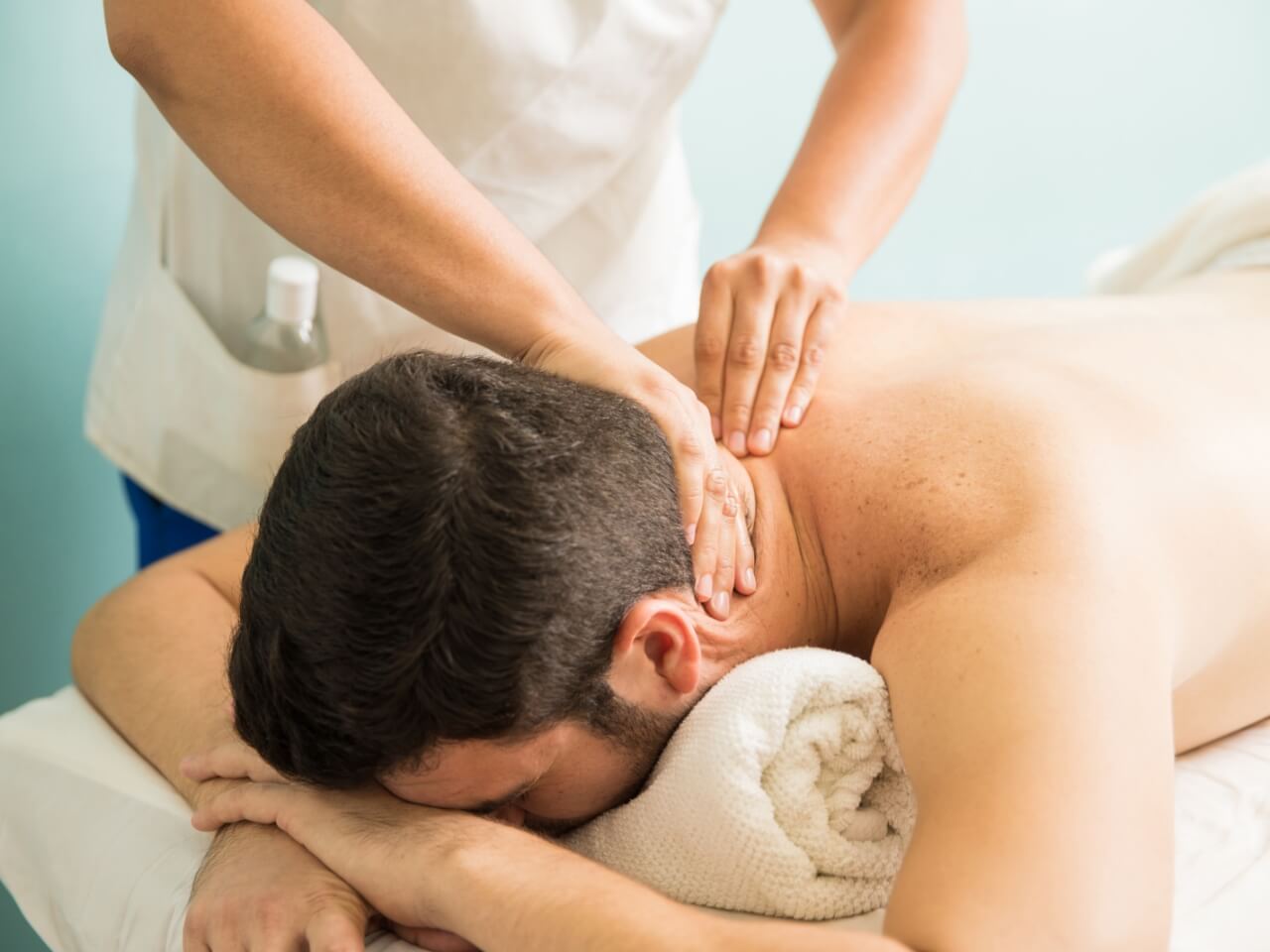
Massage therapy supports mental health by manipulating soft tissues, muscle fascia, and skin to facilitate autonomic nervous system balance. Licensed Massage Therapists (LMTs) utilize targeted manual techniques to facilitate massage stress reduction, emotional equilibrium, and physiological recovery.
Therapeutic touch stimulates cutaneous mechanoreceptors, transmitting afferent signals via the vagus nerve to downregulate sympathetic tone and activate parasympathetic responses. This neurobiological shift lowers baseline heart rate, reduces blood pressure, and modulates systemic neurochemistry.
Professional treatment differs fundamentally from casual spa pampering. An LMT licensed by the New York State Education Department (NYSED) completes rigorous anatomy and pathology training to deliver targeted clinical interventions tailored to mental wellness goals.
The Science Behind Bodywork and Mental Wellness
Biology of Therapy and Neurohormones
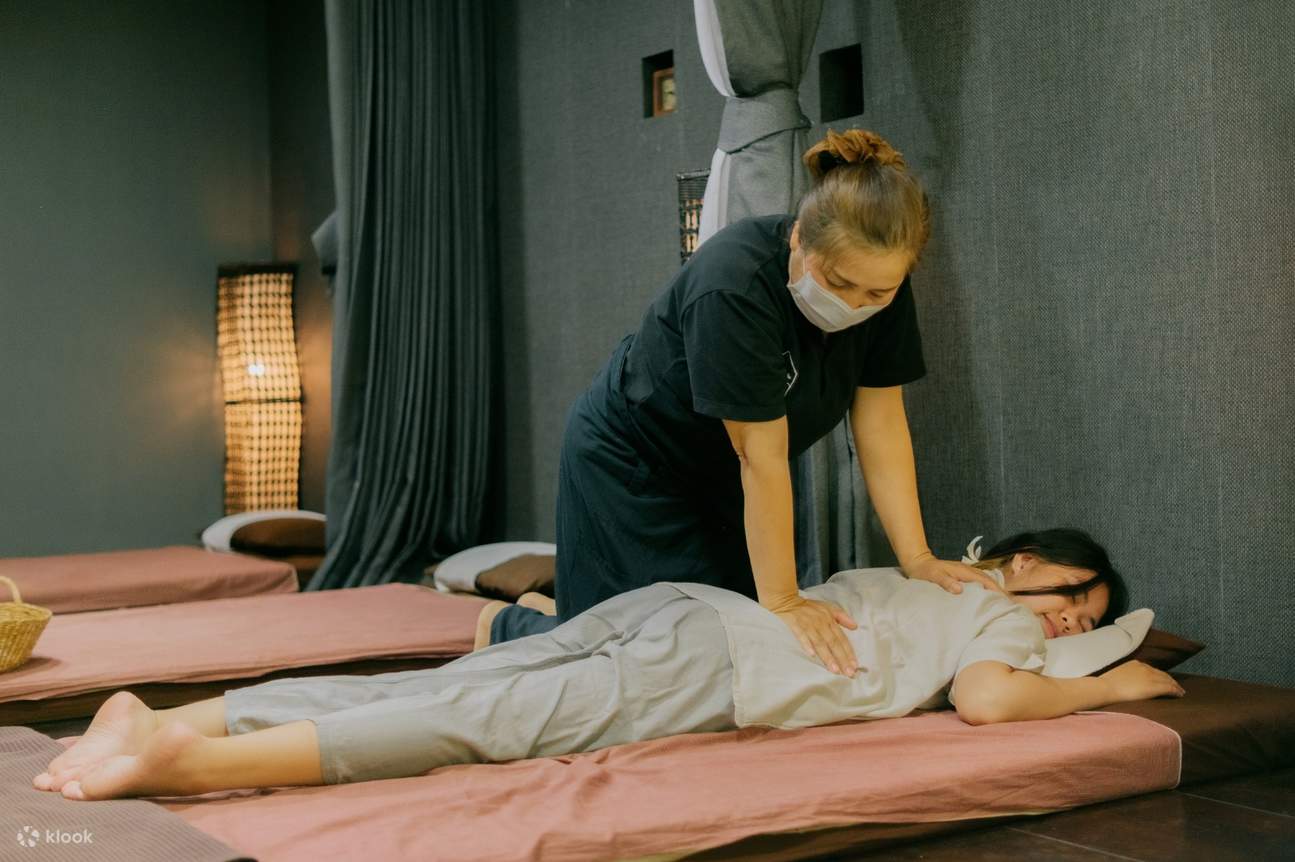
Manual therapy stimulates positive endocrine adjustments that directly stabilize psychological well-being. Clinical bodywork promotes systemic release of endorphins, oxytocin, and serotonin while suppressing circulating catabolic stress markers.
Endorphins act as endogenous analgesics and mood stabilizers, mitigating both physical distress and emotional agitation. Oxytocin stimulates interpersonal safety, trust, and emotional regulation. Elevated serotonin availability promotes emotional stability and alleviates core depressive symptoms.
Tactile pressure stimulation activates mechanoreceptors, directing neural impulses through the vagus nerve to the central nervous system. This signaling cascade downregulates the hypothalamic-pituitary-adrenal (HPA) axis, fostering lasting mental clarity.
Impact of Treatments on the Immune System and Cortisol
Chronic stress triggers sustained cortisol production, compromising immune function and exacerbating systemic anxiety. Structured therapeutic touch demonstrates clinical efficacy in suppressing hypercortisolemia and restoring immunocompetence.
Controlled clinical trials indicate that standard manual therapy can decrease serum cortisol concentrations by up to 30% while increasing circulating lymphocyte and white blood cell levels. The sustained regular massage benefits accumulate across iterative appointments, enhancing systemic resilience against ongoing stressors.
Top Mental Health Benefits with HomeMassage
Evoke a State of Deep Relaxation and Stress Reduction
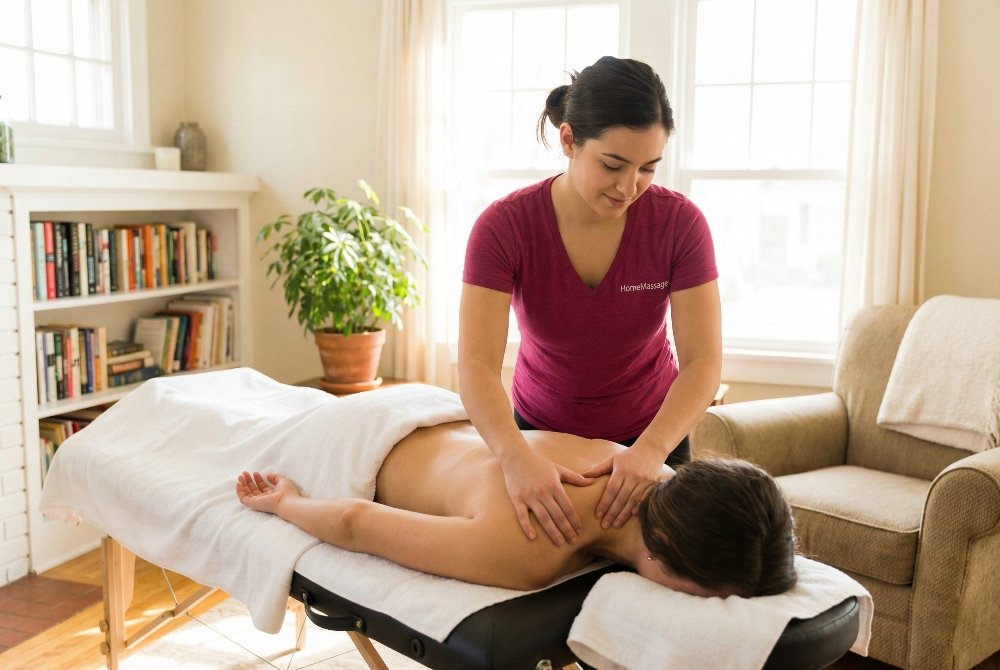
HomeMassage delivers targeted protocols directly to your private living space to evoke restorative parasympathetic dominance. Achieving profound somatic relaxation halts fight-or-flight triggers and recalibrates the autonomic nervous system.
Licensed practitioners integrate Swedish effleurage, sustained myofascial decompression, and calm rhythmic movements to:
- Alleviate musculoskeletal hypertonicity linked to cognitive overwhelm
- Lower cardiovascular exertion, resting pulse, and blood pressure
- Trigger parasympathetic neural pathways within the central nervous system
- Establish sustained mental clarity, psychological resilience, and somatic ease
This biological relaxation response persists long after the appointment, equipping clients with enhanced stress tolerance throughout daily routines.
Managing Anxiety and Depression Symptoms
Anxiety and major depressive disorders manifest somatically through hypertonic muscle guarding, restricted diaphragmatic respiration, and disrupted sleep architectures. Specialized manual therapy directly targets these somatopsychic patterns.
Evidence-based clinical protocols utilized in massage for anxiety include:
- Rhythmic Swedish strokes that downregulate autonomic hyperexcitability
- Synchronized diaphragmatic breathing to stabilize vagal nerve tone
- Progressive neuromuscular relaxation paired with passive joint mobilization
- Mindfulness-based tactile focus to anchor somatic presence
Depressive symptoms decrease as therapeutic contact stimulates monoaminergic neurotransmission, dispels physical lethargy, and counteracts the isolating effects of urban distress.
Bodywork for Individuals with PTSD and Trauma
Trauma-related conditions and post-traumatic stress require gentle bodywork grounded in clinical safety, continuous verbal consent, and client agency. Trauma-informed LMTs prioritize autonomic grounding over aggressive structural manipulation.
Clinical trauma-informed frameworks maintain strict operational standards:
- Establishing transparent somatic boundaries and ongoing consent checks
- Applying non-threatening, adaptable contact to reinforce emotional safety
- Empowering clients with total control over pressure, positioning, and draping
- Incorporating proprioceptive grounding strategies to mitigate hyperarousal
Carefully calibrated modalities, including gentle Swedish effleurage and subtle myofascial balancing, support trauma recovery without overwhelming hypersensitive nervous systems.

Improving Sleep Cycles to Combat Insomnia
Chronic insomnia and mood disturbances reinforce each other, as elevated night-time vigilance disrupts slow-wave rest while sleep deprivation heightens anxiety. Therapeutic bodywork breaks this cycle by calming the nervous system.
Consistent manual bodywork enhances natural sleep architecture by:
- Reducing nocturnal cortisol surges that disrupt sleep maintenance
- Facilitating serotonin synthesis, the biological precursor to melatonin
- Releasing cervical, thoracic, and lumbar strain to support physical comfort
- Triggering restorative parasympathetic dominance before bedtime
Incorporating structured massage for insomnia establishes healthier circadian rhythms and facilitates deeper, uninterrupted rest.
How Physical Relief Supports Mental Health
Alleviate Chronic Pain Symptoms
Persistent pain syndromes frequently induce secondary depression, fatigue, and emotional burnout. Chronic nociceptive signaling reinforces psychological distress, whereas negative affect amplifies subjective pain sensitivity.
Targeted deep tissue manipulation addresses musculoskeletal dysfunctions by:
- Deactivating hyperirritable myofascial trigger points that generate referred pain
- Enhancing microcirculation and nutrient delivery to ischemic muscular zones
- Mobilizing adhered fascial layers to restore normal tissue compliance
- Triggering endogenous endorphin release to dampen nociceptive signaling
Applying neuromuscular therapy and myofascial release alleviates persistent aches, reducing the emotional burden imposed by ongoing physical limitations.
Lower Blood Pressure and Enhance Range of Motion
Persistent mental stress correlates with sustained arterial vasoconstriction and elevated systemic blood pressure. Manual therapy produces verifiable drops in systolic and diastolic readings by reducing sympathetic tone and improving vascular compliance.
Restricted mobility contributes to psychological frustration and decreased functional self-efficacy. Therapeutic manual intervention restores musculoskeletal range of motion by:
- Elongating hypertonic muscle fibers and stabilizing connective tissues
- Mobilizing restricted articulating joints to improve flexibility
- Clearing metabolic byproducts to diminish localized inflammatory tension
- Restoring functional biomechanics to encourage confident physical movement
Restoring pain-free joint mobility enables greater engagement in regular physical exercise, social activities, and overall health-promoting behaviors.

Best Home Massage Services in New York City for Mental Health
Swedish Service for Relaxation and Mood Enhancement
The swedish massage nyc service uses classical techniques at pressure levels 2 to 3 on a 1-to-5 scale to calm the nervous system and lift mood. Therapists utilize effleurage, petrissage, friction, tapotement, and vibration to enhance circulation and dissolve psychological fatigue.
Primary mental wellness advantages of Swedish bodywork include:
- Gentle superficial gliding strokes that quiet acute anxiety
- Comprehensive full-body coverage that restores somatic self-awareness
- Personalized pressure adjustments adapted to sensory thresholds
- Uninterrupted session flow within the client’s peaceful home setting
Standard 60, 90, or 120-minute sessions provide adequate duration for the central nervous system to transition into deep parasympathetic restoration.
Deep Tissue Service for Stress Relief
Intensive clinical bodywork targets chronic postural strain and somatic manifestations of occupational burnout through deep myofascial manipulation. This approach delivers focused massage for stress relief using firm pressure at levels 4 to 5 on a 1-to-5 scale.
Deep tissue clinical protocols focus on:
- Releasing persistent tension across the trapezius, erector spinae, and gluteal groups
- Correcting postural distortions caused by prolonged desk work and high-pressure environments
- Directly treating chronic muscle knots where somatized emotional stress accumulates
- Enhancing tissue elasticity through cross-fiber friction and slow neuromuscular stripping
While clients may experience transient therapeutic soreness within 24 to 48 hours, the ensuing muscular release provides prolonged relief, postural ease, and mental clarity.
Prenatal and Sports Therapies for Specialized Care
Perinatal changes introduce distinct psychological stressors, including postural discomfort, sleep disruption, and anxiety surrounding labor. Certified prenatal LMTs provide specialized side-lying support from week 13 onward, using body cushions and gentle pressure (levels 1 to 3) to ease physical tension and calm maternal anxiety safely.
Sports massage supports emotional resilience and cognitive focus for active individuals and athletes by:
- Alleviating pre-competition performance anxiety and mental apprehension
- Mitigating Delayed Onset Muscle Soreness (DOMS) to accelerate physical recovery
- Managing the cognitive burnout associated with heavy athletic training cycles
- Enhancing proprioceptive body awareness to build psychological confidence
Both modalities require dedicated clinical training—including at least 24 specialized continuing education hours—to ensure safe, targeted care tailored to each client’s physiological needs.
Integrating Bodywork into Psychiatric Treatment Plans
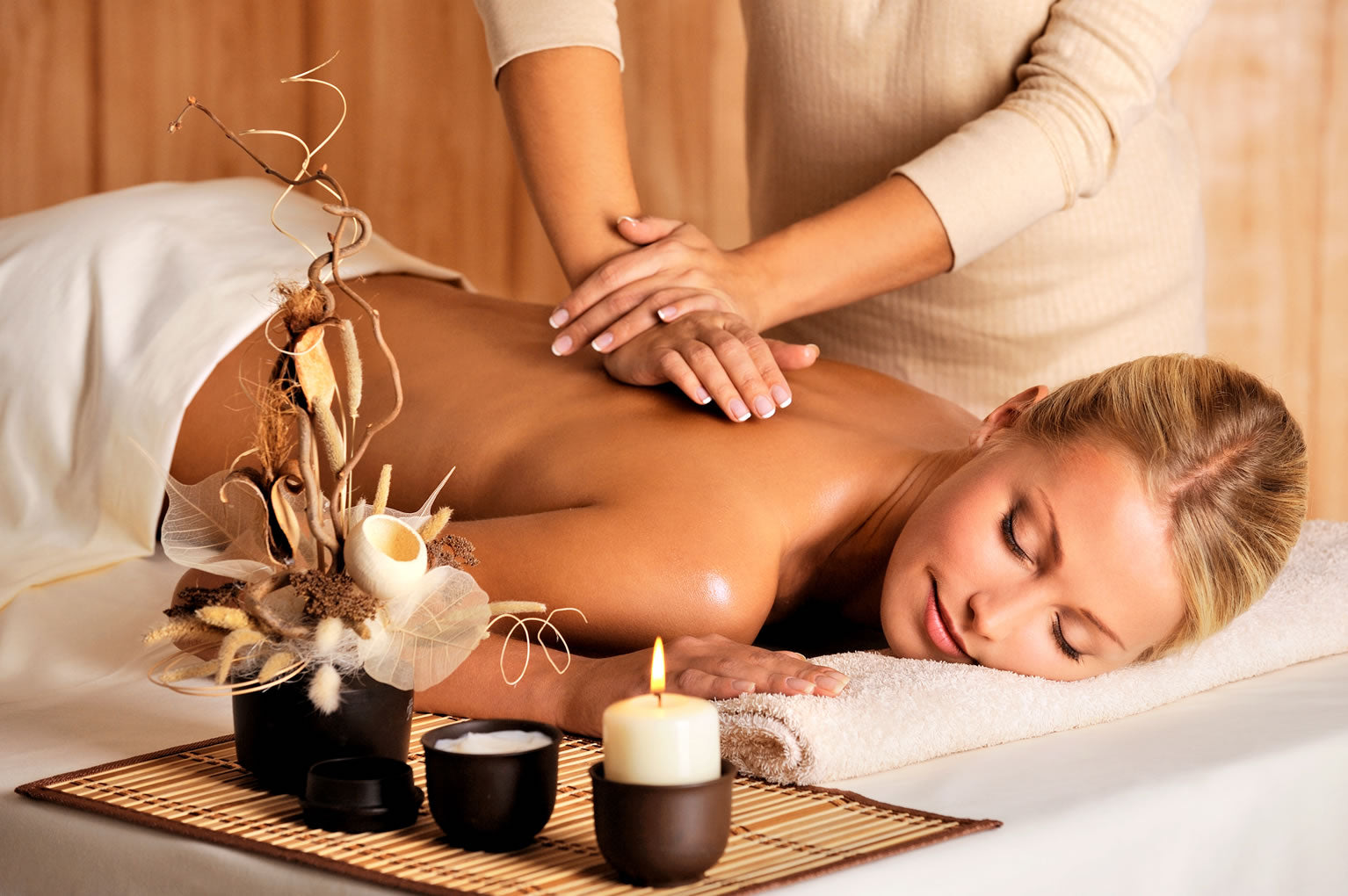
Psychiatrists and psychotherapists frequently integrate licensed manual therapy as a somatic adjunct to psychotherapy and pharmacotherapy. Multimodal mental healthcare models that address both cognitive and somatic pathways consistently deliver superior long-term outcomes.
Coordinating manual therapy with psychiatric plans involves:
- Maintaining open communication between LMTs, physicians, and mental health providers
- Timing bodywork appointments to complement psychotherapy sessions and medication changes
- Monitoring client progress across physical comfort and emotional stabilization metrics
- Adjusting manual techniques to accommodate sensory needs and pharmacological factors
Collaborative communication ensures manual therapy works synergistically with medical treatment, preventing contraindications and optimizing overall patient recovery.
Experience Home Wellness Services for Better Mental Well-being
HomeMassage operates as a 100% mobile on-demand wellness service across Manhattan, Brooklyn, Queens, The Bronx, and Staten Island. Every session is conducted in the client’s home, apartment, hotel, or office by an LMT licensed by the New York State Education Department (NYSED), carrying professional liability insurance and bringing professional-grade tables, fresh linens, and nut-free oils.
Receiving on-demand in-room massage eliminates travel friction, transit delays, and subway noise, allowing you to transition directly from your treatment into restful recovery. The coordination office at 106 W 32nd St, New York, NY 10001 coordinates dispatch and rigorous hands-on training, ensuring punctual, clinical-grade care delivered straight to your door from 07:00 to 21:00, seven days a week.
Frequently Asked Questions
How often should I receive massage therapy for mental health benefits?
Receiving weekly or bi-weekly massage therapy sessions produces optimal mental health improvements during the initial care phase. After establishing baseline relaxation over the first 4 weeks, maintenance appointments every 2 to 3 weeks sustain lowered cortisol and muscular ease. You should personalize session frequency based on lifestyle demands, stress severity, and personal response to manual treatment.
Is massage therapy safe for people taking psychiatric medications?
Massage therapy is safe for individuals taking psychiatric medications when planned collaboratively with healthcare providers. Certain medications influence cardiovascular dynamics, blood pressure, or pain sensitivity, requiring the LMT to adjust pressure and pace. You must disclose current medications on your initial health intake form and consult your prescribing physician before starting a new bodywork regimen.
What should I expect during my first mental health-focused massage session?
Your initial session begins with a comprehensive consultation to review your health intake form, physical tension points, and therapeutic goals. Your therapist explains the planned manual techniques, verifies pressure preferences on a 1-to-5 scale, and establishes clear draping boundaries to ensure safety. Treatments begin with gentle strokes to build trust before progressing to deeper therapeutic work in a supportive, familiar home environment.
You can book licensed in-home therapeutic bodywork with HomeMassage across New York City from 07:00 to 21:00 daily by calling +1 (917) 426-9100 or reserving online at https://homemassagenyc.com.