
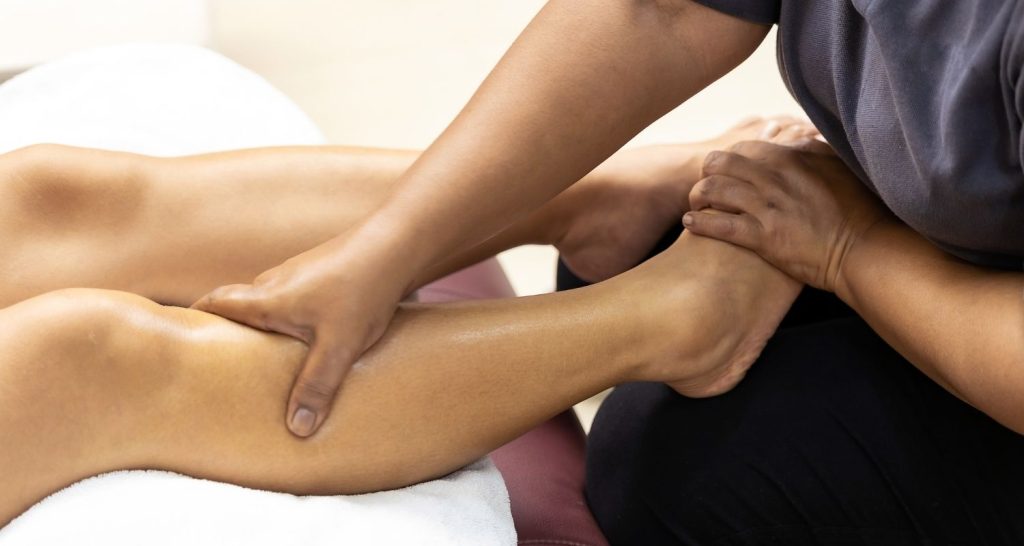
Self-massage techniques provide immediate pain relief plus relaxation through targeted pressure application on specific anatomical areas. These therapeutic methods reduce chronic stress, improve circulation, while enhancing tissue recovery without professional assistance. HomeMassage New York City clients combine these self-care practices with professional in-room massage, Deep Tissue Massage Service plus Sports Massage Service to achieve comprehensive wellness solutions.
Self-massage offers 3 primary benefits: stress reduction through endorphin release, improved blood circulation via mechanical pressure, along with enhanced physical recovery through trigger point activation. Professional massage therapists recommend daily self-massage routines to maintain body flexibility between scheduled sessions.
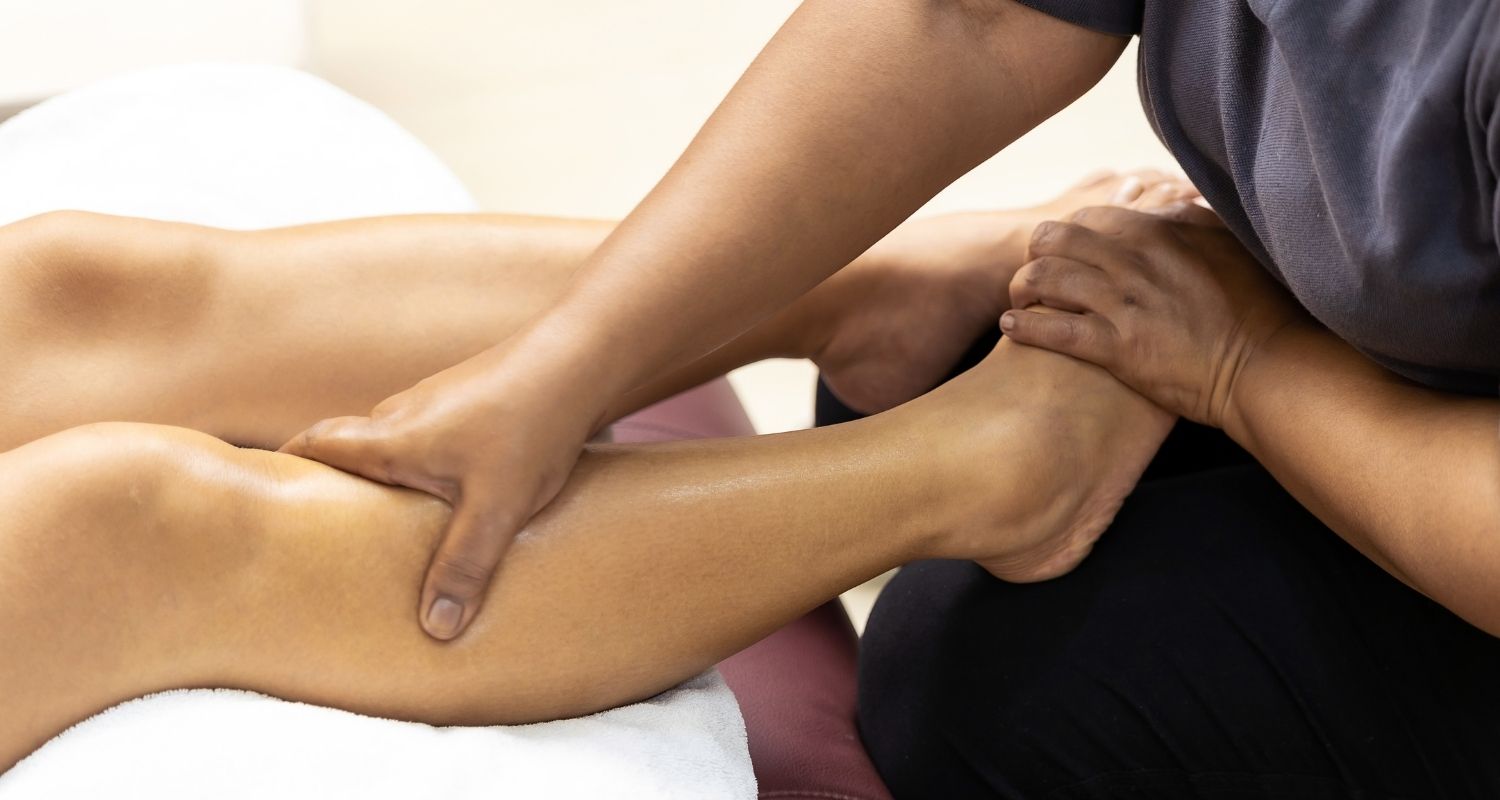
Understanding Self-Massage and Its Benefits
Self-massage involves applying controlled pressure to tissues, tendons, plus soft structures using hands, tools, or specialized equipment. This therapeutic practice stimulates blood flow, reduces physical tension, while promoting natural healing responses throughout the body.
Relieving Chronic Stress plus Physical Tension
Chronic stress manifests as physical tension in 5 key areas: neck regions requiring tech neck treatment, shoulder blades, lower back zones, jaw muscles, along with foot arches. Self-massage techniques target these stress-accumulation spots through gentle circular motions plus sustained pressure application.
Physical tension relief occurs within 10-15 minutes of consistent pressure application. The mechanical stimulation activates parasympathetic nervous system responses, reducing cortisol levels to promote relaxation. Regular self-massage practice decreases knot formation while preventing tension-related headaches.
Improving Circulation along with Tissue Recovery
Improved circulation delivers oxygen-rich blood to the soft tissues, accelerating recovery processes while reducing inflammation. Self-massage increases blood flow by 30-40% in targeted areas, enhancing nutrient delivery plus waste product removal.
Recovery acceleration occurs through 3 physiological mechanisms: increased lymphatic drainage, reduced inflammatory markers, plus enhanced cellular regeneration. Athletes along with active individuals benefit from post-exercise self-massage routines that minimize delayed onset physical soreness (DOMS).
The Convenience of Self-Care at Home
Home-based self-massage provides immediate access to relief without scheduling constraints or travel requirements. This convenient approach allows individuals to address somatic tension, headaches, plus stress symptoms as they arise throughout the day.
Self-care convenience includes flexible timing, privacy, plus cost-effectiveness compared to frequent professional sessions. New York City residents integrate 10-20 minute self-massage routines into morning or evening schedules to maintain consistent wellness.
Essential Tools regarding Effective Self-Massage
Effective self-massage utilizes specialized tools that enhance pressure application, target specific zones, while improving overall technique efficiency. These instruments range from simple household items to professional-grade massage equipment.
Using Your Hands plus Fingers Effectively
Hand-based massage techniques utilize 4 primary methods: fingertip pressure regarding trigger points, palm compression on larger areas, knuckle rolling with deep tissue work, plus thumb circles to achieve precise targeting.
Proper hand positioning prevents strain while maximizing therapeutic benefits. Index plus middle fingers apply 5-10 pounds of pressure to release trigger points, whereas full palm compression distributes force evenly across tissue surfaces.
Tennis Ball Techniques regarding Trigger Points
Tennis balls provide targeted pressure to release trigger points in hard-to-reach areas including shoulder blades, glutes, plus foot arches. The firm spherical surface delivers concentrated pressure that penetrates deep tissue layers effectively.
Applying trigger point therapy for knots involves 30-60 seconds of sustained pressure until tension dissipates. Tennis ball massage techniques include wall rolls regarding the back area, floor positioning with glutes, plus standing pressure to achieve foot relief.
Foam Rolling regarding Deep Tissue Release
Foam rolling targets fascia plus deep tissues through sustained pressure along with rolling movements. This technique improves flexibility, reduces somatic adhesions, while enhancing range of motion through myofascial release principles.
Deep tissue release occurs gradually through 1-3 minutes of rolling motion per body part. Foam density varies from soft (beginner-friendly) to firm (advanced users) depending on pain tolerance plus therapeutic goals.
Top Self-Massage Techniques regarding Different Body Parts
Targeted self-massage techniques address specific anatomical regions using appropriate pressure, movement patterns, plus duration to gain optimal therapeutic results. Each body area requires specialized approaches regarding effective pain relief plus physical relaxation.
Head and Scalp Massage to Relieve Headaches
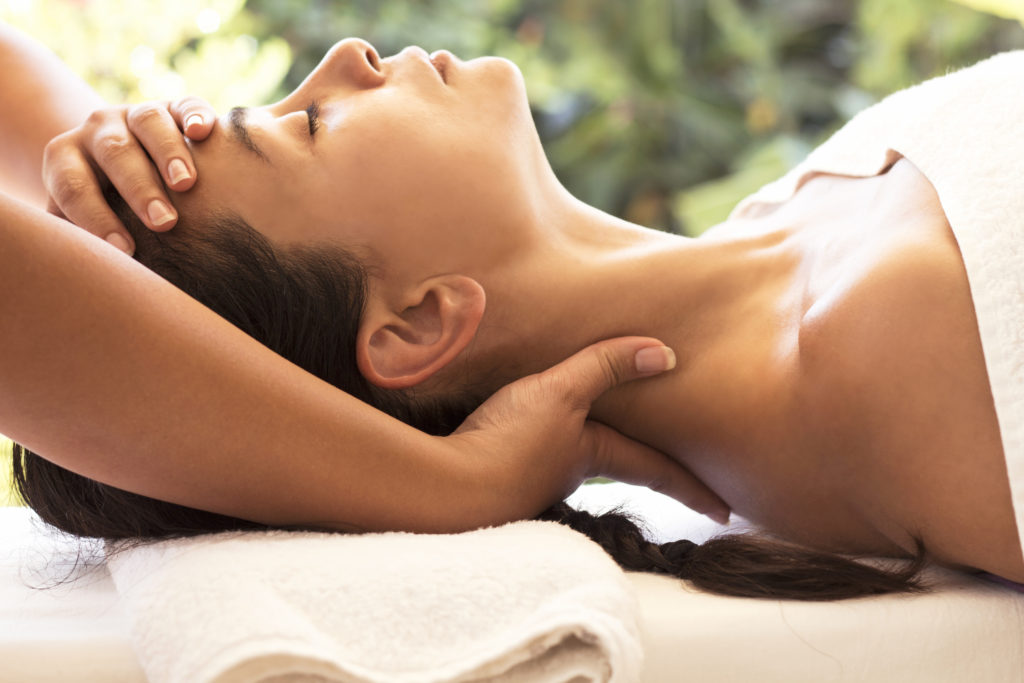
Head plus scalp massage reduces tension headaches through gentle circular motions across temporal regions, the scalp surface, along with neck junction areas. This technique stimulates blood flow to the cranial region while releasing tension in the suboccipital tissues.
Headache relief massage involves 5-10 minutes of fingertip pressure along the hairline, temple areas, plus base of the skull. Gentle circular motions with light to moderate pressure activate points that reduce headache intensity plus frequency.
Neck and Shoulder Massage regarding Stress Reduction
Neck plus shoulder tension accumulates from prolonged sitting, poor posture, along with stress-related physical contraction. Self-massage techniques target the trapezius, levator scapulae, plus cervical areas through gentle kneading along with pressure point activation.
Stress reduction occurs through 10-15 minutes of shoulder blade rolling, neck stretching, plus gentle pressure application. The upper trapezius responds well to pinching motions, whereas the neck benefits from gentle circular movements along the cervical spine.

Lower Back Massage Techniques to Manage Pain
Lower back pain affects 80% of adults and responds effectively to back pain relief massage techniques using tennis balls, foam rollers, or hand movements against walls. These methods target the erector spinae, quadratus lumborum, plus gluteal fibers that contribute to lower back tension.
Pain management techniques include wall-based pressure point release, floor positioning regarding deeper penetration, plus gentle stretching movements. Sustained pressure applied over 30-60 seconds on trigger points releases knots while improving spinal mobility.
Foot and Leg Massage to Treat Fatigue
Foot plus leg massage addresses physical fatigue from prolonged standing, walking, or exercise activities. These techniques target the plantar fascia, calves, along with shin areas using various pressure applications plus movement patterns.
Tired tissue relief involves rolling motions on the calves, pressure point activation regarding the foot arches, plus gentle stretching regarding the ankle joints. Tennis ball massage under the foot releases plantar fascia tension, while calf compression improves circulation plus reduces swelling.
Enhancing Your Routine with Home Massage Service in New York City
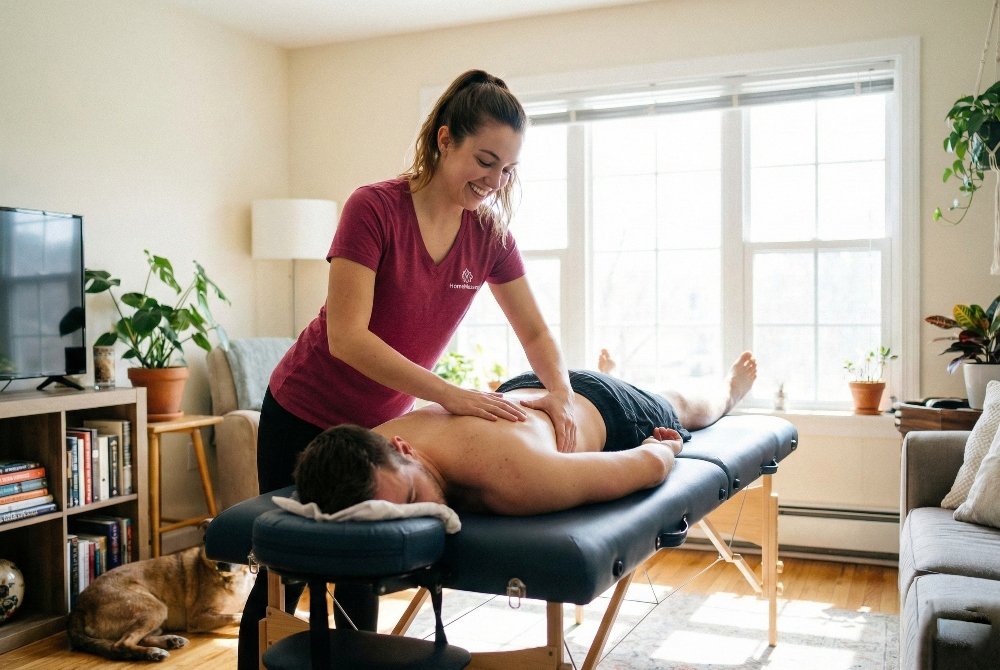
Professional home massage services complement self-care routines by addressing deeper somatic issues, providing expert technique guidance, while targeting areas difficult to reach independently. Knowing how to prepare for home massage sessions can further optimize these benefits. HomeMassage New York City offers specialized therapeutic treatments that enhance self-massage effectiveness.
Complementing Self-Care with Deep Tissue plus Sports Massage Service
Deep Tissue Massage Service provides intensive bodywork that penetrates beyond surface-level tension, addressing chronic pain patterns plus structural imbalances. This professional treatment complements daily self-massage routines by targeting deep fascia along with trigger points that require expert manipulation.
Sports Massage Service focuses on athletic performance enhancement, injury prevention, plus recovery acceleration. Professional therapists combine techniques with self-massage education, teaching clients specific methods to maintain physical health between sessions.
Specialized Care via Prenatal Massage Service
Prenatal Massage Service addresses pregnancy-related physical changes, postural adaptations, plus comfort needs that require specialized knowledge. Professional prenatal therapists guide expectant mothers regarding safe self-massage practices to manage common pregnancy discomforts.
Specialized prenatal care includes education about appropriate pressure levels, safe positioning techniques, plus areas to avoid during self-massage. This professional guidance ensures both maternal and fetal safety while maintaining tissue health throughout pregnancy.
Relaxation Options with Swedish plus Couples Massage Service
Swedish Massage Service emphasizes relaxation, stress reduction, plus general wellness through gentle, flowing techniques that complement vigorous self-massage routines. This therapeutic approach balances intensive self-care with restorative professional treatment.
Couples Massage Service provides shared relaxation experiences while educating partners regarding basic massage techniques regarding mutual benefit. Professional instruction in partner massage creates ongoing support systems to facilitate home-based therapeutic care.
Services like corporate chair massage nyc offer convenient workplace wellness solutions that complement home self-care routines. These professional sessions provide midday stress relief plus teach portable techniques to manage office-based physical tension.
Safety Tips and Precautions Before You Start
What pressure level should you use for self-massage?
Begin with light to moderate pressure (3-5 on a scale of 1-10) then gradually increase intensity based on body response plus comfort tolerance. Excessive pressure can cause bruising, tissue damage, or increased inflammation in sensitive areas.
When should you avoid self-massage techniques?
Avoid self-massage during acute injury phases, over areas of inflammation, with open wounds, or when experiencing fever or infection. Pregnant individuals should consult healthcare providers before beginning new self-massage routines, especially during the first trimester.
How often should you perform self-massage to optimal benefits?
Daily 10-20 minute sessions provide optimal benefits regarding stress reduction plus body maintenance. Athletes may benefit from twice-daily routines (pre and post-exercise), while sedentary individuals should focus on consistent daily practice targeting problem areas.
What signs indicate you should seek professional massage therapy?
Persistent pain lasting more than 72 hours, numbness or tingling sensations, increased swelling, or physical weakness require professional evaluation. HomeMassage New York City therapists provide expert assessment plus treatment recommendations regarding complex somatic issues beyond self-care capabilities.
