
Daily pressures affect millions of people. Modern life creates constant weight from work deadlines, family responsibilities, as well as financial concerns. Your body responds to these demands by releasing cortisol, the primary alarm hormone that triggers your fight-or-flight response.
When tension becomes chronic, it damages your physical along with mental health. High cortisol levels increase blood pressure, reduce immune function, plus cause muscle tightness throughout your body. This creates a cycle where physical discomfort adds to psychological strain.
Professional bodywork breaks this cycle. At HomeMassage, a private massage therapist NYC brings therapeutic relief directly to your home. Our licensed therapists use proven techniques that reduce cortisol levels while increasing beneficial hormones like serotonin plus dopamine.

Can Therapeutic Bodywork Relieve Symptoms of High Tension?
Research confirms manual therapy effectively reduces symptoms, specifically validating that massage for anxiety brings tangible results. Multiple clinical studies demonstrate significant decreases in salivary cortisol levels immediately following treatment sessions. These physiological changes translate into real relief from strain-related symptoms.
The treatment targets both physical as well as psychological responses. When skilled hands apply pressure to tense muscles, your body releases endorphins – natural pain relievers that improve mood. This biological response helps counteract the negative effects of chronic burden on your system.
The nervous system responds positively to therapeutic touch. Manual manipulation stimulates the parasympathetic nervous system, which controls your body’s relaxation response. This activation helps lower heart rate, reduce blood pressure, along with promoting deeper breathing patterns.
New York City residents face unique challenges from urban living. Traffic congestion, noise pollution, plus crowded conditions contribute to elevated anxiety levels. HomeMassage addresses these issues by providing peaceful sessions in your private space, away from city chaos.
The Science Behind Bodywork and Tension Reduction
Scientific research reveals the measurable effects therapeutic touch has on strain-related biomarkers. Understanding these mechanisms helps explain why this care produces consistent relief across diverse populations.
Physiological Adjustments: Heart Rate as well as Blood Pressure
Bodywork creates immediate cardiovascular benefits. Clinical studies show significant reductions in both systolic and diastolic blood pressure following single sessions. These effects occur through multiple pathways.
Enhanced circulation is a primary mechanism. Manual techniques increase blood flow by creating friction between skin and the therapist’s hands. This improved circulation reduces peripheral resistance, allowing your heart to pump more efficiently with less effort.
Heart rate variability also improves during a session. Your autonomic nervous system achieves better balance between sympathetic (fight-or-flight) and parasympathetic (relaxation) responses. This equilibrium helps maintain cardiovascular health even during difficult periods.
Blood pressure reductions persist beyond the appointment. Studies indicate that regular therapy can produce cumulative effects on cardiovascular health. For New York professionals dealing with high-pressure environments, these benefits are particularly valuable.
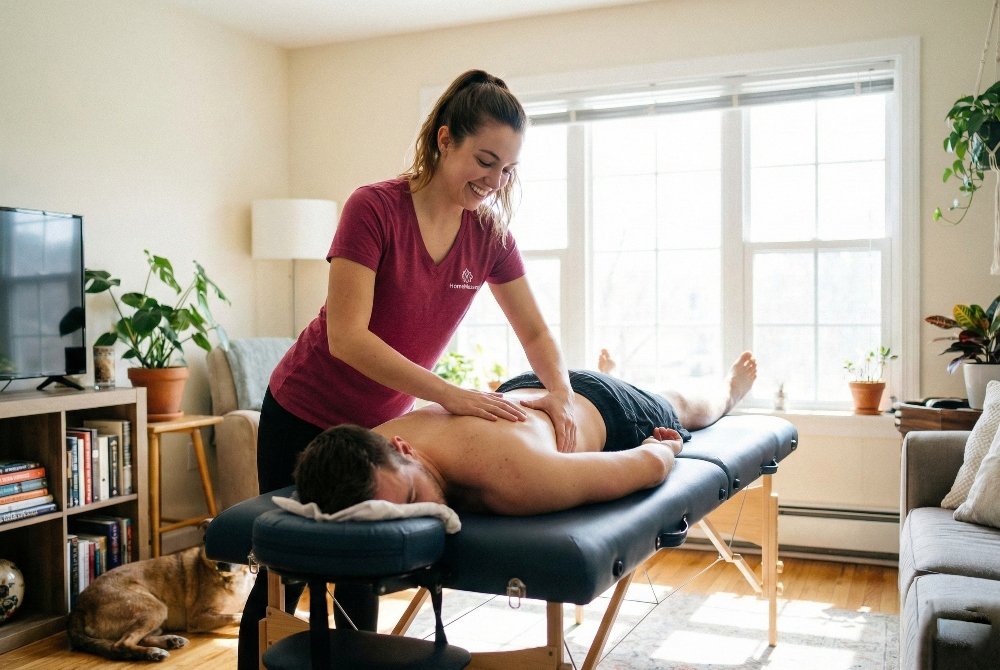
Regulating Hormones: Lowering Cortisol Plus Increasing Dopamine
Hormone regulation represents the most significant relief mechanism of this practice. Research demonstrates consistent patterns in how bodywork affects key hormones related to mental load.
The relationship between massage and cortisol reduction is evident rapidly during sessions. Studies show decreases of 30-50% in salivary cortisol levels within 60 minutes (18-27 nmol/L to 9-18 nmol/L). This drop helps break the cycle of chronic tension that keeps cortisol elevated throughout the day.
Serotonin along with dopamine levels increase simultaneously. These neurotransmitters promote feelings of well-being plus motivation. Higher serotonin levels combat depression or anxiety, while increased dopamine improves focus and drive.
Endorphin release provides natural pain relief. These compounds are chemically similar to opioids but produced naturally by your body. Endorphins not only reduce physical discomfort but also create feelings of euphoria as well as relaxation.
The hypothalamic-pituitary-adrenal axis responds to tactile stimulation by reducing alarm hormone production. This central response system becomes less reactive to daily pressures when regularly stimulated through therapeutic touch.
Benefits of HomeMassage Therapy for Mental and Physical Health
Professional care addresses strain through multiple pathways, highlighting the importance of massage for mental health while providing comprehensive relief for the body. Our NYC-based practitioners understand how urban pressure manifests in physical symptoms to tailor treatments accordingly.
Physical Benefits: Releasing Muscle Tightness and Pain
Chronic anxiety creates persistent tightness throughout your body. This often concentrates in your neck, shoulders, as well as back – areas that bear the burden of psychological load. Professional techniques target these problem areas directly.
Deep tissue work breaks up adhesions in muscle fibers. These adhesions form when muscles remain contracted for extended periods. By applying sustained pressure, therapists restore normal function along with range of motion.
Trigger point therapy addresses specific areas of tension. These localized knots develop from repetitive strain or poor posture. Targeted pressure releases these points, providing immediate relief from referred pain patterns.
Improved flexibility results from reduced muscle tightness. When muscles relax, joints move more freely through their full range of motion. This improvement helps prevent injury plus reduces the physical load that contributes to unease.
Lymphatic drainage enhances waste removal from tissues. Manual manipulation stimulates lymphatic circulation, helping flush metabolic waste products that accumulate in tense muscles. This process reduces inflammation while promoting faster recovery.
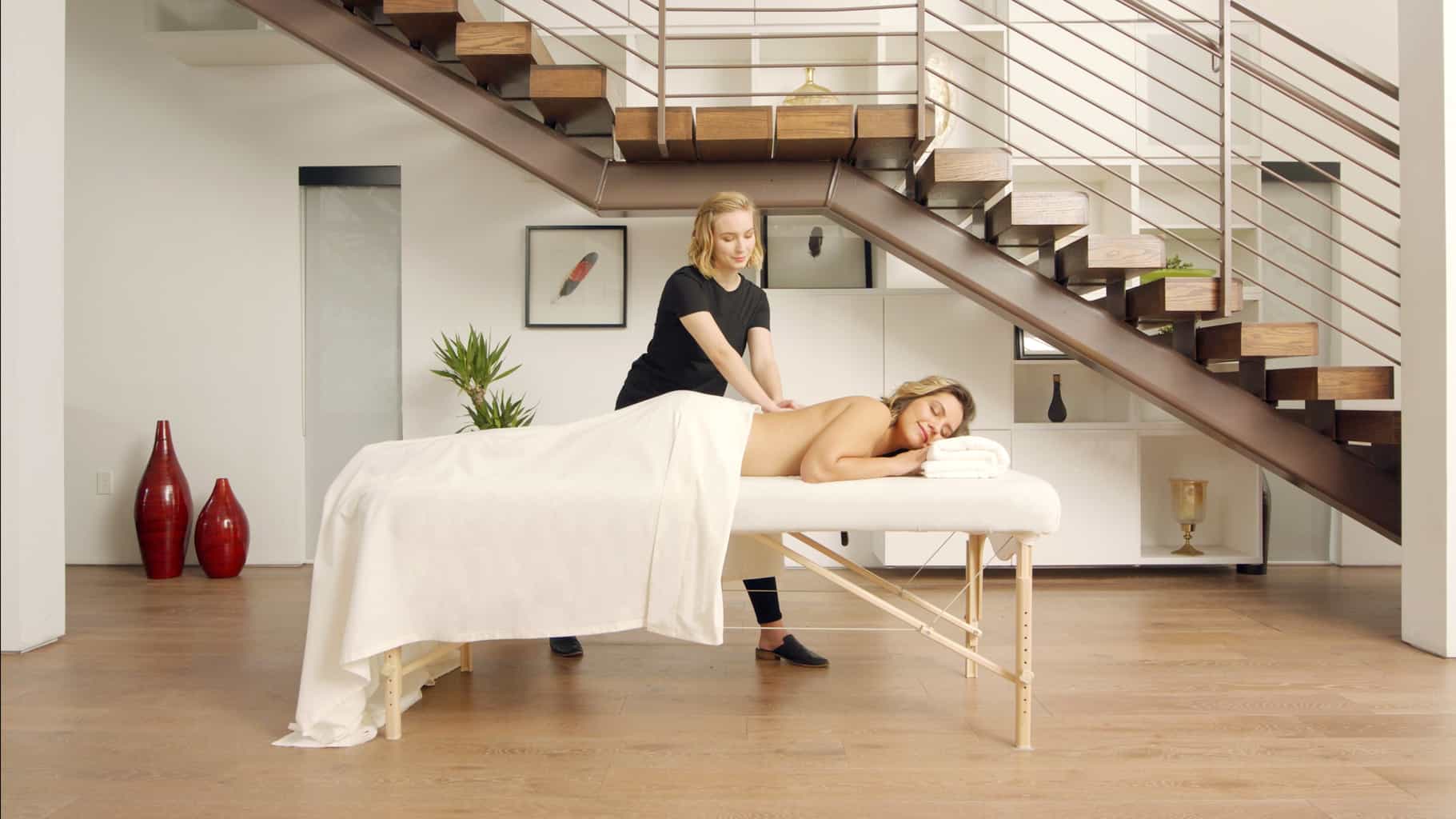
Emotional Benefits: Managing Anxiety along with Depression
Therapeutic bodywork provides significant psychological benefits beyond physical relief. The professional relationship between client and therapist creates a supportive environment for emotional healing.
Anxiety reduction occurs through multiple mechanisms. The release of calming neurotransmitters helps quiet racing thoughts plus worry patterns. Physical relaxation also sends signals to your brain that safety is restored.
Depression symptoms improve with regular sessions. Increased serotonin production directly counters depressive episodes. The physical nurturing aspect of care also addresses emotional needs often neglected during demanding periods.
Sleep quality enhancement follows successful tension reduction. Utilizing massage for sleep lowers cortisol levels plus increases relaxation to promote deeper, more restorative rest. Better sleep creates positive cycles that improve resilience.
Mind-body connection strengthens through focused attention on physical sensations. This awareness helps you recognize alarm signals earlier, responding more effectively to tightness before it becomes overwhelming.
Best Therapy Services for High Anxiety Available in New York City
HomeMassage offers specialized services designed specifically for relief. Each technique addresses different aspects of the response, allowing us to customize treatment based on your individual needs plus preferences.
Swedish Bodywork Service for Total Relaxation
Our swedish massage nyc service provides comprehensive relaxation through gentle, flowing strokes. This foundational method uses five primary movements to promote circulation while releasing surface tightness throughout your body.
- Effleurage: Long, gliding movements with light to moderate pressure help your nervous system transition from alert to relaxed. These strokes also warm muscles for deeper work.
- Petrissage: Techniques involving kneading plus compression. These movements target deeper muscle layers while maintaining the relaxing atmosphere essential for relief. Kneading helps flush metabolic waste from tissues.
- Friction: Circular motions applied with fingertips or palms help break up adhesions in fibers. This technique is particularly effective for knots in shoulders as well as the neck.
- Tapotement: Gentle stimulation through rhythmic tapping. This percussive technique helps energize tired muscles while maintaining overall calm. It’s especially beneficial for mental fatigue associated with chronic pressure.
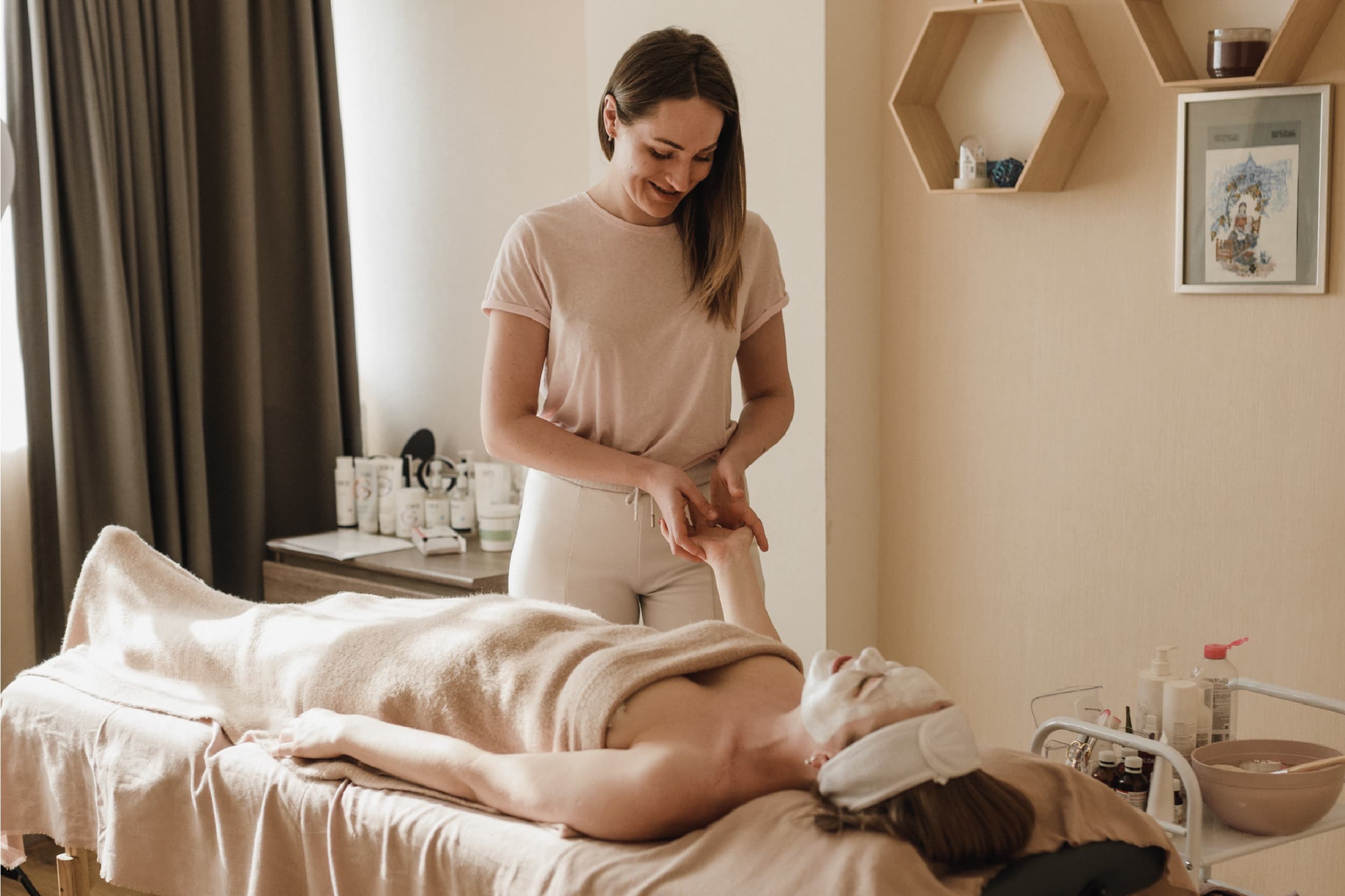
Deep Tissue Service for Chronic Muscle Strain
Deep tissue therapy addresses the persistent tightness that develops from long-term burdens. This therapeutic approach uses sustained pressure plus slow strokes to reach deeper layers and fascia.
Chronic patterns require specialized techniques. Anxiety often creates compensation patterns where some muscles become overworked while others weaken. Deep tissue work helps restore balance across muscle groups.
Pressure application varies based on tissue response. Skilled therapists adjust intensity to work within your comfort zone while achieving therapeutic goals. Communication during treatment ensures optimal pressure levels for effective release.
Myofascial release targets the connective tissue surrounding muscles. Strain-related tightness often affects fascia, creating restrictions that limit movement. Specific techniques help restore normal fascial mobility.
Cross-fiber friction breaks up scar tissue plus adhesions. These develop in muscles subjected to chronic load. By working across fibers rather than along them, therapists can effectively address these problematic areas.
Sports Recovery Service for Active Relief
Sports bodywork combines therapeutic techniques with movement patterns relevant to physical activity. This approach is particularly effective for NYC professionals who exercise regularly as management for their mental load.
Pre-event work prepares muscles for physical activity. Light, stimulating strokes increase circulation plus flexibility while maintaining energy levels. This preparation helps prevent injury during activities like running or cycling.
Post-event sessions focus on recovery along with tension release. Deeper techniques help muscles return to their resting state while addressing any compensation patterns that developed during exercise. This prevents exercise-related strain from adding to daily pressure.
Maintenance care addresses ongoing muscle health. Regular sessions help prevent the accumulation of tightness that can interfere with both athletic performance and wellness goals. This proactive approach maintains muscle function.
Sports-specific techniques target movement patterns. Therapists familiar with common activities like tennis, running, or gym workouts can address the specific muscle groups most affected by these pursuits.
Prenatal Therapy for Reducing Pregnancy Strain
Pregnancy creates unique physical as well as emotional demands. Prenatal care provides safe, effective relief tailored to the changing needs of expectant mothers throughout their pregnancy journey.
Physical discomfort increases as pregnancy progresses. Growing baby weight creates new pressure points plus changes posture. Specialized prenatal techniques address these challenges while ensuring safety for both mother and baby.
Hormonal changes during pregnancy affect responses to the environment. Prenatal therapy helps regulate these fluctuations through gentle techniques that promote relaxation without overwhelming sensitive systems.
Sleep disturbances common in pregnancy benefit from therapeutic touch. Improved circulation along with reduced muscle tightness help create conditions for better rest. Better sleep supports overall management during this demanding time.
Positioning modifications ensure comfort plus safety. Certified prenatal therapists use specialized cushions or techniques that accommodate changing body shapes while providing effective relief throughout pregnancy.
Couples Sessions plus Chair Options
Social support enhances relief benefits. Couples appointments allow partners to share relaxing experiences while addressing individual patterns. This shared approach can strengthen relationships while promoting wellness.
Chair options provide convenient relief for busy schedules. Fifteen to thirty-minute sessions can be performed in work clothes, making this ideal for lunch breaks or between meetings. Chair work focuses on neck, shoulders, plus the back.
Corporate wellness programs benefit from on-site services. HomeMassage provides chair options for NYC businesses, helping employees manage workplace pressure. These programs can improve productivity while reducing absenteeism.
Group sessions create community around wellness. Multiple family members or roommates can receive services during a single appointment. This approach makes management more accessible as well as socially supportive.
Common Manual Techniques Used to Alleviate Tension
Professional practitioners employ specific techniques proven effective for reduction. Understanding these methods helps you communicate preferences plus expectations with your therapist for optimal results.
Kneading as well as Stroking to Improve Circulation
Circulation enhancement forms the foundation of effective relief. Poor circulation contributes to muscle fatigue, while improved blood flow promotes relaxation plus healing throughout your body.
Kneading techniques involve lifting, rolling, and compressing muscle tissue. This motion helps pump blood through fibers while encouraging lymphatic drainage. Proper kneading creates warmth in tissues, signaling relaxation to your nervous system.
Long stroking movements follow muscle fiber directions. These effleurage strokes help blood return to your heart while spreading beneficial hormones released during the session. Consistent pressure plus rhythm enhance the calming effects.
Pressure variations prevent adaptation during treatment. Therapists alternate between light and moderate pressure to maintain nervous system responsiveness. This variation ensures continued benefit throughout the session duration.
Directional flow supports natural circulation patterns. Strokes typically move toward the heart to assist venous return. This anatomical awareness maximizes the physiological benefits of improved circulation for relief.
Face plus Neck Rubbing for Headache Relief
Tension-related headaches affect millions of people daily. Tightness in facial and neck muscles contributes to both tension-type as well as cervicogenic headaches. Targeted manual techniques address these specific problem areas.
Temporal muscle work relieves jaw tightness from clenching. Gentle circular motions over the temples help release trigger points that refer pain to the head. This technique also stimulates acupressure points known for headache relief.
Suboccipital muscle work addresses the connection between neck plus head. These small muscles at the base of your skull become tight from forward head posture common in desk work. Specific pressure helps release this chronic strain.
Scalp manipulation increases circulation to hair follicles while promoting relaxation. Gentle fingertip movements across the entire scalp help release superficial tightness along with providing soothing sensations that calm the nervous system.
Neck stretches incorporated into the session enhance flexibility. Gentle range of motion movements help restore normal cervical spine mobility. Improved neck movement reduces mechanical load that contributes to headache patterns.
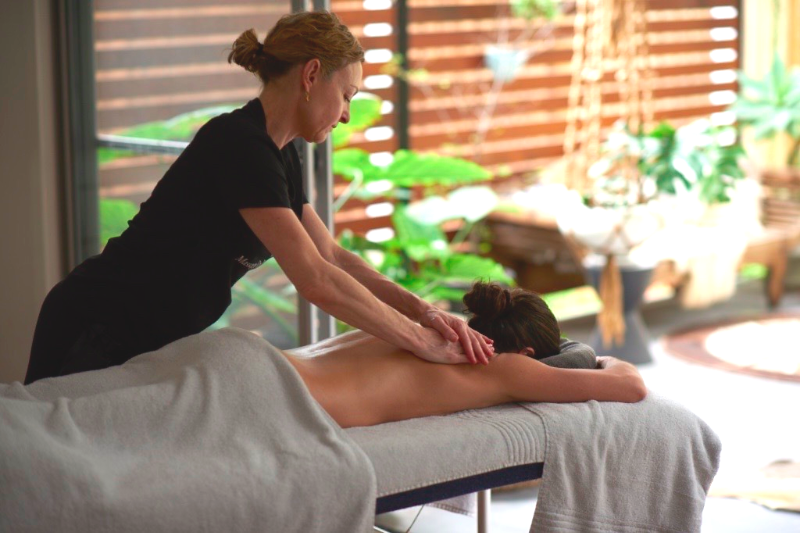
Tapping along with Vibrating to Soothe the Nervous System
Percussive techniques provide unique neurological benefits. Gentle tapping plus vibration create sensory input that helps reset nervous system responses to chronic pressure.
Tapotement involves rhythmic tapping with fingertips, hands, or fists. Light percussion creates stimulating effects that can energize tired muscles while promoting circulation. The rhythmic nature helps calm racing thoughts associated with anxiety.
Vibration techniques use rapid oscillating movements. These create deep sensory input that can override pain signals traveling to the brain. This neurological effect helps break cycles of chronic discomfort.
Nerve pathway stimulation through percussive techniques helps reset pain patterns. Chronic strain often creates hypersensitive nerve pathways. Appropriate percussion can help normalize these responses through controlled sensory input.
Sound therapy aspects of rhythmic techniques promote relaxation. The repetitive nature of professional tapping creates meditation-like effects. This auditory component adds another dimension to the relief experience during the session.
Booking Your Home Session in New York City with HomeMassage
Professional anxiety relief is now accessible in your private NYC residence. HomeMassage brings licensed therapists plus professional equipment directly to your location, eliminating travel hassle while maximizing therapeutic benefits.
Scheduling flexibility accommodates demanding New York lifestyles. Evening and weekend appointments ensure access to relief regardless of work schedule constraints. Same-day booking is often available for urgent needs.
Licensed therapists carry comprehensive insurance and credentials. All HomeMassage practitioners maintain current New York State therapy licenses plus continuing education requirements. Background checks along with professional references ensure your safety.
Equipment quality matches professional spa standards. Portable tables, high-quality oils, and fresh linens create optimal treatment environments in your home. Music or aromatherapy massage options enhance the relaxation experience.
Customized treatment plans address individual patterns. Initial consultations help identify specific areas of tightness and preferred pressure levels. Subsequent sessions build on previous treatments to maximize cumulative benefits.
Flexible payment options include insurance billing when applicable. Many health savings accounts cover therapeutic bodywork for medical conditions. We help navigate insurance requirements to make strain management more affordable.
Service areas throughout Manhattan, Brooklyn, Queens, plus the Bronx ensure convenient access regardless of your NYC location. Travel time between appointments allows therapists to arrive fresh and focused on providing optimal relief.
Privacy protection maintains confidentiality in your personal space. Professional boundaries and discrete service ensure comfortable therapeutic relationships. Your home environment allows deeper relaxation than crowded spa settings.
Regular maintenance programs provide ongoing support. Weekly or monthly appointments help prevent tension accumulation while maintaining optimal muscle function. Consistent care produces better long-term results than sporadic treatments.
Contact HomeMassage today to begin your personalized relief program. Our team helps match you with the ideal therapist and technique combination for your specific needs. Start experiencing the profound relaxation that comes from professional bodywork in the comfort of your own home.
FAQ
How quickly can massage therapy reduce my stress levels?
Many clients experience immediate relief during their first session. Research shows cortisol levels can decrease by 30-50% within 60 minutes of treatment. However, sustained benefits typically develop after 3-4 regular sessions when your nervous system begins adapting to the relaxation response patterns.
Which massage technique works best for chronic work stress?
Swedish bodywork provides excellent overall relief through gentle, flowing techniques that promote relaxation. For deeper muscle tension from prolonged desk work, deep tissue modalities target specific problem areas. Many clients benefit from alternating between techniques based on their current anxiety levels and physical needs.
Can I receive massage therapy if I take medication for anxiety or depression?
Bodywork is generally safe and beneficial for people taking mental health medications. However, inform your therapist about all medications and consult your healthcare provider before beginning. Treatments can enhance the effectiveness of medical care by addressing physical symptoms of anxiety.
How often should I schedule massage appointments for stress management?
Weekly appointments provide optimal benefits for most people dealing with chronic pressure. Bi-weekly sessions work well for moderate levels, while monthly maintenance appointments help prevent tension accumulation. Your therapist can recommend a frequency based on your individual patterns and response to treatment.
Is home massage as effective as spa treatments for stress relief?
Home sessions often provide superior relief because your familiar environment enhances relaxation responses. You avoid travel hassles and can immediately rest after the appointment. Professional-quality equipment ensures therapeutic effectiveness while privacy maximizes the mental health benefits of the experience.
