New York City demands strategic time management. Navigating Wall Street meetings, subway delays, and tight schedules makes wellness planning an intentional health decision. Choosing between mobile in-home treatments and traditional day spa visits influences your schedule, personal privacy, and therapeutic recovery. Selecting the best mobile massage nyc provides clinical-grade manual therapy without the stress of urban commuting.
Modern manual therapy delivers structured bodywork through two distinct operational models. Each approach accommodates specific schedules, residential settings, and physical recovery goals across the five boroughs.
Understanding the Core Differences
The primary difference between mobile massage therapy and day spa facilities centers on spatial control and service delivery. Mobile therapy brings the treatment table to your living space, whereas day spas require client transit to a fixed commercial venue. Clients frequently evaluate chair massage vs table massage when determining which modality aligns with their available floor space and physical requirements.
What is Mobile Therapy?
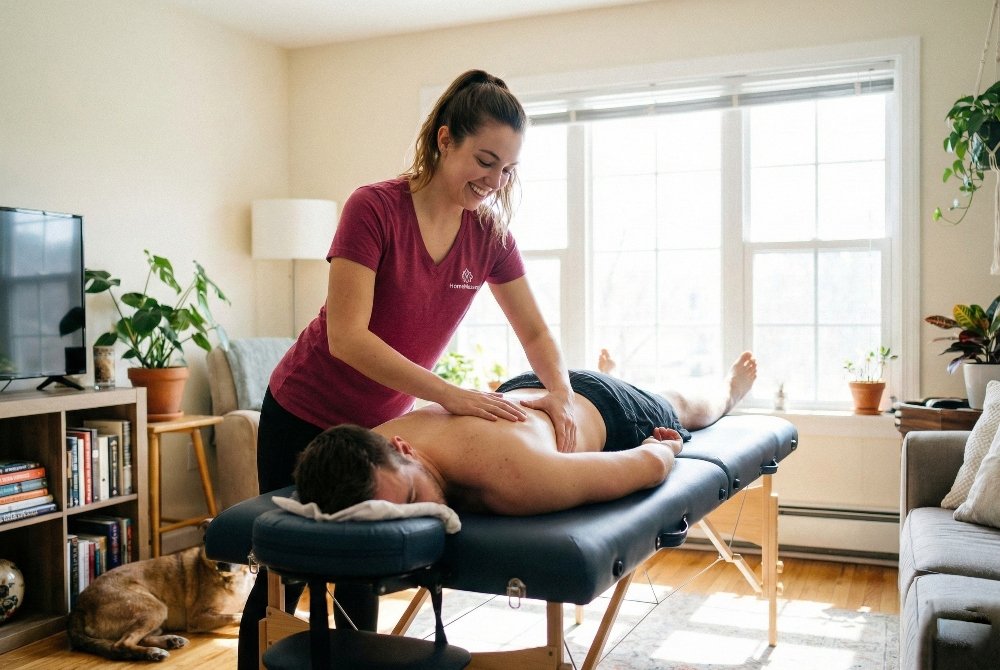
Mobile therapy converts a private residence, hotel suite, or corporate workplace into an ergonomic clinical setting. A licensed massage therapist (LMT) arrives with a portable treatment table, clean linens, and organic body lubricants. This operational model eliminates travel time while maintaining high clinical standards.
The practitioner conducts a brief space assessment upon arrival. Therapists examine floor clearance, ambient temperature, and acoustic conditions to establish an optimal treatment area. Standard portable tables measure 76 cm (30 inches) in width and 185 cm (73 inches) in length, requiring a minimum floor area of 2.4 m × 3.4 m (8 ft × 11 ft). Essential equipment brought to each session includes:
- Fresh linens sanitized at 60°C (140°F)
- Hypoallergenic, nut-free massage oils and lotions
- Compact ambient sound systems for acoustic relaxation
Practitioners in New York State hold formal professional licenses issued by the New York State Education Department (NYSED). LMTs complete a mandatory 1,000-hour curriculum covering systemic anatomy, kinesiology, pathology, and clinical application. Comprehensive background checks and professional liability coverage protect client safety throughout every session.
What to Expect from a Traditional Day Spa
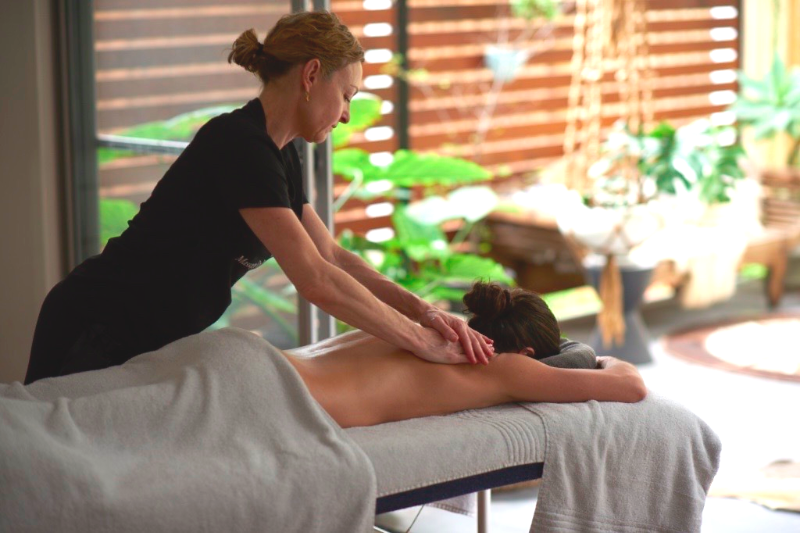
Traditional day spas provide centralized wellness facilities within dedicated commercial properties. These facilities integrate physical bodywork with hydrotherapy amenities and quiet relaxation lounges. Spa venues frequently feature:
- Thermal steam rooms
- Dry cedar saunas
- Communal relaxation lounges
- Product retail boutiques
Day spa environments rely on fixed architectural layouts to promote relaxation. Commercial interior designs utilize soundproofing, indirect illumination, and climate control to establish sensory detachment from city noise. Multiple treatment suites enable simultaneous appointments for individual guests or corporate groups.
Coordinated on-site personnel manage the operational workflow. Front-desk receptionists schedule appointments, while custodial attendants maintain amenity hygiene and turnover treatment rooms. This centralized infrastructure delivers specialized hydrotherapy services, though it requires clients to commute and adhere to rigid arrival windows.
Comprehensive Comparison: In-Home Service vs. Spa Facilities
Selecting between in-home bodywork and a traditional spa visit depends on transportation logistics, schedule flexibility, and privacy preferences. Evaluating these factors helps determine the ideal wellness service for your lifestyle.
Convenience: Saving Time in New York City Traffic
Commuting through New York City traffic presents distinct logistical hurdles for day spa clients. Roundtrip travel across Manhattan, Brooklyn, or Queens routinely consumes 40 to 60 minutes over a distance of 24 to 37 kilometers (15 to 23 miles). In-home sessions eliminate transportation delays entirely. Reserving an in-room massage NYC delivers customized care directly to your door without transit friction.
Appointment flexibility represents an additional operational advantage of mobile delivery. Mobile therapists often offer appointments starting as early as 07:00 and concluding by 21:00 across all seven days of the week. Traditional day spas typically operate within narrower retail hours, limiting options for clients with demanding professional schedules.
Manhattan parking rates average $25 to $40 per hour in Midtown and Downtown commercial zones. In-home care removes parking fees and eliminates the time lost locating garage spaces before an appointment.
Privacy & Comfort: Your Personal Space vs. Shared Facilities
Residential treatments provide maximum personal privacy and complete environmental control. Clients remain inside familiar surroundings without navigating shared waiting areas, locker rooms, or public corridors. This secluded setting proves especially beneficial for prenatal treatments, postoperative recovery, and sensitive therapeutic care.
Personal comfort extends into post-treatment recovery. You control room temperature, lighting levels, and ventilation according to your personal preferences. After treatment, you can immediately rest or take a private shower in your own bathroom without stepping outside into busy streets. Travelers staying in Manhattan can book a hotel massage nyc to enjoy private, high-end care directly inside their guest room.
Day spa facilities offer luxury hospitality amenities, such as plush robes, specialty showers, and chilled beverages. However, these communal amenities involve shared spaces alongside other patrons, which can compromise personal privacy.
Cost & Value: Service Quality vs. Facility Fees
Mobile massage rates reflect therapist expertise, premium supplies, and direct travel to your location. Standard in-home rates range from $155 to $180 for a 60-minute session and $215 to $250 for a 90-minute session, with transparent flat pricing that includes travel within primary service zones. Reviewing the standard home massage cost nyc ensures accurate budgeting without unexpected facility surcharges.
Day spa pricing accounts for substantial commercial overhead, real estate leases, and facility upkeep. Standard spa treatments range from $150 to $250 for 50 to 60 minutes of hands-on time, often accompanied by mandatory facility access fees or facility surcharges. Commuting costs, garage parking, and lost transit hours further increase the total financial investment.
Evaluating overall value requires balancing your available time with your desired amenities. In-home therapy provides 100% focused, hands-on treatment time, whereas day spas offer broader communal leisure amenities at a higher time and financial commitment.
Atmosphere: Personalized Environment vs. Resort Amenities
In-home atmosphere customization allows you to tailor sensory variables to your exact preferences. You choose your favorite room, set playlists, diffuse specific scents, or opt for completely unscented oils. This personalized environment supports nervous system recovery and muscle relaxation.
Commercial spa atmospheres rely on standardized architectural features to facilitate rest. High-end ventilation systems, acoustic sound barriers, water fountains, and subdued lighting create an immersive aesthetic experience. Understanding proper etiquette, such as standards for tipping mobile massage therapist professionals, ensures smooth transactions across both home and spa settings.
Environmental preferences ultimately depend on individual relaxation triggers. Many people unwind most effectively in their personal living spaces, while others prefer total sensory separation from their home routines.
Therapeutic Modalities Available: From Deep Tissue to Prenatal
Both mobile therapy services and day spas deliver diverse manual techniques for pain relief and physical maintenance. The primary distinction lies in equipment portability, customized treatment planning, and therapist specialization.
Therapeutic Focus: Deep Tissue & Sports Therapy
Deep tissue therapy targets deeper myofascial layers to relieve chronic muscle tension, break down adhesions, and restore joint mobility. NYSED-licensed massage therapists apply targeted, deliberate pressure using forearms, elbows, and knuckles on a clinical 1 to 5 pressure scale. Studies indicate that deep tissue work can significantly alleviate chronic low back pain and improve functional mobility in sedentary desk workers.
Corporate professionals in New York City often experience postural strain in the cervical spine, shoulders, and lower lumbar region due to prolonged computer use. A 60-minute or 90-minute deep tissue session targets the trapezius, levator scapulae, and erector spinae muscles to correct muscular imbalances and restore pain-free posture.
Sports therapy supports active individuals, runners, and athletes preparing for events or recovering from strenuous exercise. This modality incorporates rhythmic compression, cross-fiber friction, and proprioceptive neuromuscular facilitation (PNF) stretching. Research shows that targeted post-exercise manual therapy reduces delayed onset muscle soreness (DOMS) and decreases inflammatory signaling within stressed muscle tissue.
Athletes running the New York City Marathon or training in local fitness clubs rely on scheduled sports recovery to maintain soft-tissue flexibility. Mobile delivery enables athletes to receive recovery therapy immediately at home, eliminating post-workout travel when muscles are fatigued.
Relaxation Techniques: Swedish & Prenatal Care
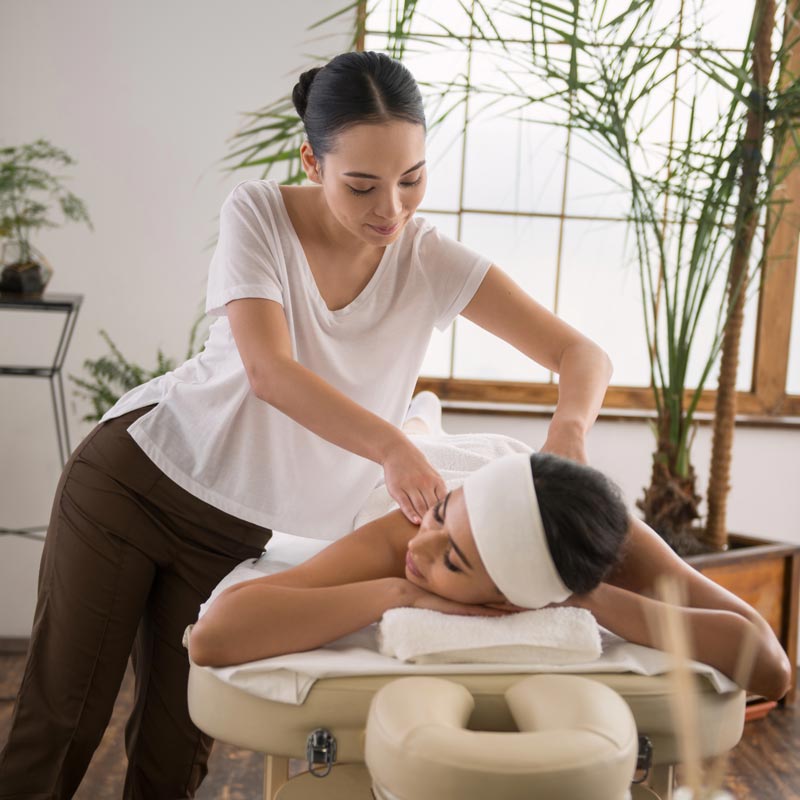
Swedish massage utilizes five foundational strokes: effleurage (long gliding strokes), petrissage (kneading), friction, tapotement (rhythmic tapping), and vibration. These techniques enhance venous blood circulation, decrease blood pressure, and calm sympathetic nervous system activity. Clinical research demonstrates that a 45-minute Swedish massage session can reduce circulating cortisol levels and increase lymphocyte counts, supporting healthy immune function.
Regular Swedish sessions provide restorative stress management for busy urban residents. Light to medium pressure (levels 2 to 3 on a 1 to 5 scale) eases mental fatigue, relieves tension headaches, and promotes restorative sleep cycles.
Prenatal manual therapy provides specialized care for expectant mothers starting in the second trimester (week 13 and onward). Certified prenatal practitioners utilize side-lying positions supported by ergonomic pregnancy body pillows to prevent inferior vena cava compression. Treatments focus on easing pelvic girdle stress, relieving sciatic nerve tension, and improving lower-extremity lymphatic drainage.
Expectant mothers benefit from decreased lower back discomfort, reduced leg edema, and improved sleep quality without traveling across town. In-home prenatal care provides safe, clinical support in the comfort and security of your own bedroom.
Specialized Options: Chair & Duo Sessions
Seated chair massage delivers focused relief to the neck, shoulders, upper back, and arms while the client remains fully clothed. These sessions utilize an ergonomic portable chair weighing approximately 9 kg (20 lb), requiring no oils and minimal setup time. Organizing a corporate chair massage nyc program is a proven, high-impact strategy for workplace wellness days and team appreciation events.
Corporate offices across Midtown and Lower Manhattan incorporate on-site chair sessions to reduce workplace burnout and improve posture. A single licensed therapist can treat four clients per hour in 15-minute rotations, providing immediate muscular relief without interrupting meeting schedules.
Duo couples sessions feature two licensed therapists working simultaneously on two treatment tables set side-by-side. Both sessions start and finish at the same time, allowing partners to share relaxation within their living room. Studies indicate that shared therapeutic massage can promote oxytocin release while lowering stress-related adrenocorticotropic hormone (ACTH) levels.
In-home couples treatments require a clear floor space of approximately 3.7 m × 3.4 m (12 ft × 11 ft). This setup provides complete scheduling privacy for anniversaries, birthdays, and weekend recovery, avoiding the crowded booking schedules common at commercial spa couples suites.
Making the Right Choice for Your Needs
Determining the right wellness solution depends on your schedule, personal recovery objectives, and comfort preferences. Consider these operational criteria when choosing between mobile and facility-based care.
Why Choose Home Services?
Time efficiency remains the primary benefit of mobile services. Eliminating subway transit, rideshare delays, and parking searches saves busy New Yorkers 2 to 3 hours per session, making consistent wellness care realistic alongside demanding careers.
Privacy and convenience make in-home care the preferred option for many residents. You retain total control over your physical environment, hygiene, and recovery pace. Expectant mothers, busy executives, and privacy-conscious clients receive clinical treatments without entering public commercial spaces.
Personalized attention improves when working with dedicated mobile practitioners. The therapist focuses entirely on your intake history, postural needs, and recovery goals without the turnover pressures of high-volume day spa lobbies.
When to Opt for a Traditional Spa Visit
Hydrotherapy amenities require commercial spa infrastructure. If your wellness goals require steam rooms, cold plunge pools, Finnish saunas, or Vichy showers, a day spa facility is essential.
Group social gatherings benefit from commercial spa lounges. Bridal parties, corporate retreats, and large friend groups often appreciate shared relaxation lounges and coordinated multi-service salon packages.
Total physical detachment suits clients who prefer leaving their domestic environment behind to rest. Stepping out of your residence into a dedicated spa property provides a complete psychological break from daily responsibilities.
Book Your Session in New York City with HomeMassage
HomeMassage is a 100% on-demand mobile massage service providing licensed clinical bodywork across Manhattan, Brooklyn, Queens, The Bronx, and Staten Island. Administrative operations, dispatch logistics, and practitioner training are managed from 106 W 32nd St, New York, NY 10001, USA (Midtown Manhattan, near Herald Square and Penn Station), which serves as an operational headquarters rather than a public walk-in facility.
Every session is performed by an NYSED-licensed massage therapist equipped with an ergonomic table, fresh linens, and nut-free oils. Treatments are available daily from 07:00 to 21:00 across six modalities: Professional Swedish, Premier Deep Tissue, Sports, Professional Prenatal (from week 13), In-Home Couples, and Premier Chair Massage. Reserve your session online at https://homemassagenyc.com or call +1 (917) 426-9100.