Therapeutic bodywork enhances blood circulation through precise mechanical pressure applied to muscle tissues and vascular pathways. Licensed massage therapists in New York City utilize evidence-based modalities that promote venous return, decrease peripheral vascular resistance, and optimize cardiovascular function. For individuals seeking targeted care, an in home deep tissue massage nyc provides clinical myofascial release to enhance vascular health in your private living space.
Does Massage Help Increase Blood Circulation?
Massage therapy increases blood circulation by mechanically stimulating vasodilation and accelerating venous return. Research published by the American Massage Therapy Association indicates that targeted manual therapies increase peripheral blood flow by 25% to 40% during active treatment sessions. Mechanical strokes dilate arterioles and capillaries in superficial layers and deep muscle tissues, delivering oxygen and essential nutrients to ischemic cells. Travelers and corporate professionals benefit from an in-room massage NYC to counter circulatory stagnation caused by sedentary transit.
Studies from the National Center for Complementary and Integrative Health demonstrate that manual bodywork activates the parasympathetic nervous system, decreasing vasoconstrictor tone to sustain circulatory improvements. Clinical trials measuring brachial artery flow-mediated dilation reveal significant vascular responsiveness following 60-minute to 90-minute therapeutic sessions.
The mechanical compression and rhythmic release of vascular beds act as an external pump that assists venous blood return to the heart. This mechanical action reduces interstitial fluid accumulation and expedites metabolic waste clearance. Understanding swedish massage benefits clarifies how directional strokes optimize vascular pressure gradients and systemic cardiovascular efficiency.
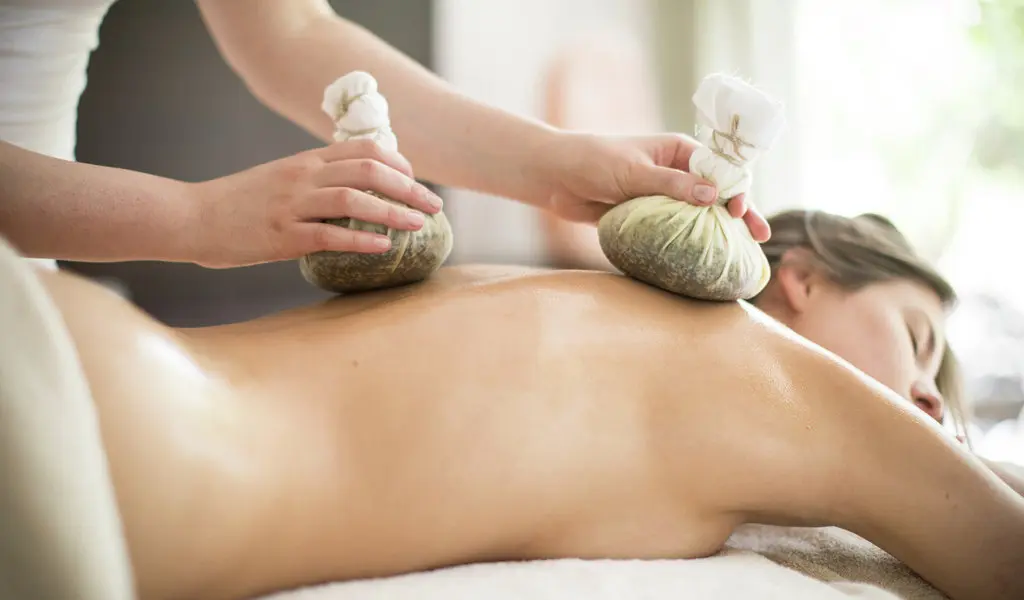
Physiological Effects of Massage on Blood Flow and Muscle Fatigue
Manual therapy improves circulatory efficiency and reduces muscle fatigue through three primary physiological mechanisms:
- Nitric Oxide Release: Mechanical friction stimulates vascular endothelial cells to synthesize nitric oxide, a primary vasodilator that relaxes vascular smooth muscle. This reaction increases blood vessel lumen diameter by 15% to 20%, lowering peripheral vascular resistance.
- Lymphatic Drainage Acceleration: Directional manual pressure propels lymph fluid through one-way lymphatic valves, clearing lactic acid, cellular debris, and inflammatory cytokines from overloaded muscle beds. Accelerated lymphatic clearance reduces muscular soreness and accelerates cellular repair.
- Myofascial Decompression: Sustained hypertonicity compresses intramuscular microvessels and restricts microcirculation. Targeted manual manipulation releases fascial adhesions and trigger points, restoring capillary perfusion to ischemic muscle fibers.
Clinical data from the Mayo Clinic show that therapeutic bodywork reduces salivary cortisol concentrations by up to 30% while increasing serotonin and dopamine levels. This neuroendocrine shift reduces sympathetic vasoconstriction, facilitating sustained microvascular perfusion. For clients managing chronic degenerative joint conditions, targeted massage for arthritis relieves periarticular tension and maintains local microcirculation in affected joints.
Best Bodywork Techniques to Improve Circulation at HomeMassage
Licensed massage therapists at HomeMassage deliver targeted modalities engineered to improve systemic blood flow and alleviate vascular congestion throughout the body.
Swedish Massage Service for Venous Return
Swedish massage optimizes venous return through rhythmic, centripetal strokes oriented toward the heart. Certified LMTs apply graduated mechanical pressure ranging from 2 to 3 on the HomeMassage 1–5 pressure scale (approximately 3 to 5 pounds per square inch):
- Effleurage Gliding: Long, sweeping strokes applied along the extremities toward the torso to facilitate venous return.
- Petrissage Kneading: Rhythmic lifting and compression of muscle bellies to pump stagnant blood from deep muscular tissue.
- Tapotement Percussion: Light, rhythmic striking motions that stimulate cutaneous vasodilation and local capillary hyperemia.
Clinical measurements demonstrate that Swedish massage strokes increase venous blood flow velocity by up to 35% above resting baselines. Therapeutic sessions lasting 60, 90, or 120 minutes provide sustained cardiovascular relaxation and fluid mobilization.
Deep Tissue Massage Service for Oxygenation
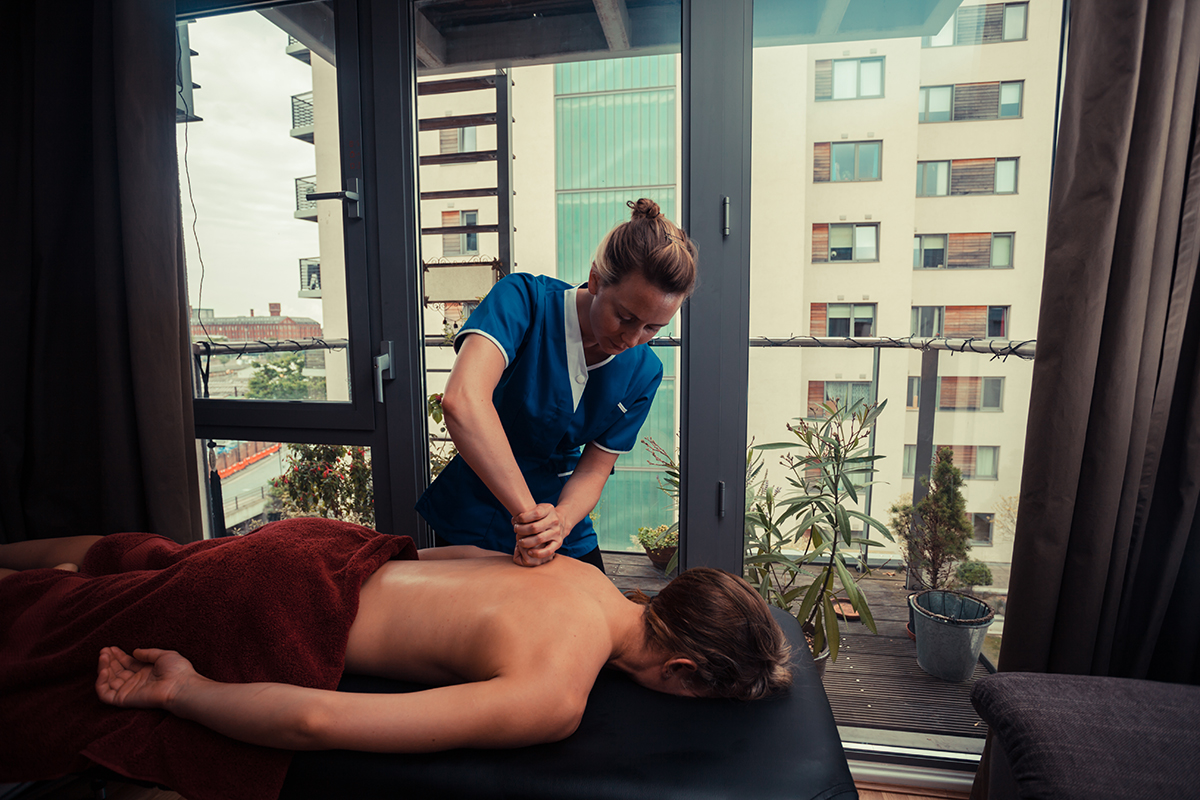
Deep tissue massage targets deep muscular layers and subfascial tissues to eliminate vascular restrictions caused by chronic muscular tension. Therapists apply firm pressure at levels 4 to 5 on the HomeMassage scale (approximately 8 to 12 pounds per square inch) to release rigid myofascial adhesions.
This modality delivers measurable circulatory support for:
- Chronic Myofascial Pain: Decompresses microvessels trapped within dense fibrous tissues.
- Post-Exercise Ischemia: Restores arterial perfusion and nutrient delivery to contracted muscle groups.
- Postural Distortion: Releases sustained isometric holding patterns that impede vascular flow along the spine and neck.
Clinical studies confirm that deep myofascial therapy increases localized tissue oxygen saturation by 20% to 30% through enhanced capillary recruitment and reduced mechanical compression.
Sports Massage Service for Active Recovery
Sports massage integrates Swedish strokes, deep tissue friction, and proprioceptive neuromuscular facilitation (PNF) stretching to optimize blood flow for athletic training and recovery. Therapists focus on specific functional muscle chains based on your training demands. Incorporating sports massage for recovery accelerates metabolite clearance and relieves delayed-onset muscle soreness (DOMS).
Key vascular advantages include:
- Pre-Event Activation: Stimulates localized blood flow to warm active muscle fibers 24 to 48 hours prior to competition.
- Post-Event Restoration: Flushes metabolic waste and eases muscle spasms 24 to 72 hours after strenuous exertion.
- Tissue Elasticity Maintenance: Prevents microtrauma adhesions and sustains microvascular compliance across training cycles.
Research published in sports medicine journals indicates athletic bodywork decreases post-exercise inflammatory markers by up to 40% while preserving muscular perfusion.
Manual Lymphatic Drainage for Fluid Movement
Manual lymphatic drainage utilizes subtle, rhythmic skin-stretching maneuvers to stimulate lymph angion contractions and reduce fluid stagnation. Certified practitioners apply feather-light pressure of 1 to 2 ounces per square inch along precise anatomical lymphatic pathways.
This gentle modality targets:
- Peripheral Edema: Reduces fluid accumulation in the lower legs, ankles, and arms.
- Post-Surgical Swelling: Accelerates fluid evacuation following cosmetic or orthopedic procedures once cleared by a physician.
- Immune Function Support: Directs interstitial fluids toward lymph nodes for metabolic filtration.
While clinical manual lymphatic drainage is distinct from deep bodywork, HomeMassage LMTs integrate gentle drainage strokes into full-body protocols to assist venous and lymphatic return in clients experiencing mild fluid retention.
Prenatal Massage Service for Reducing Swelling
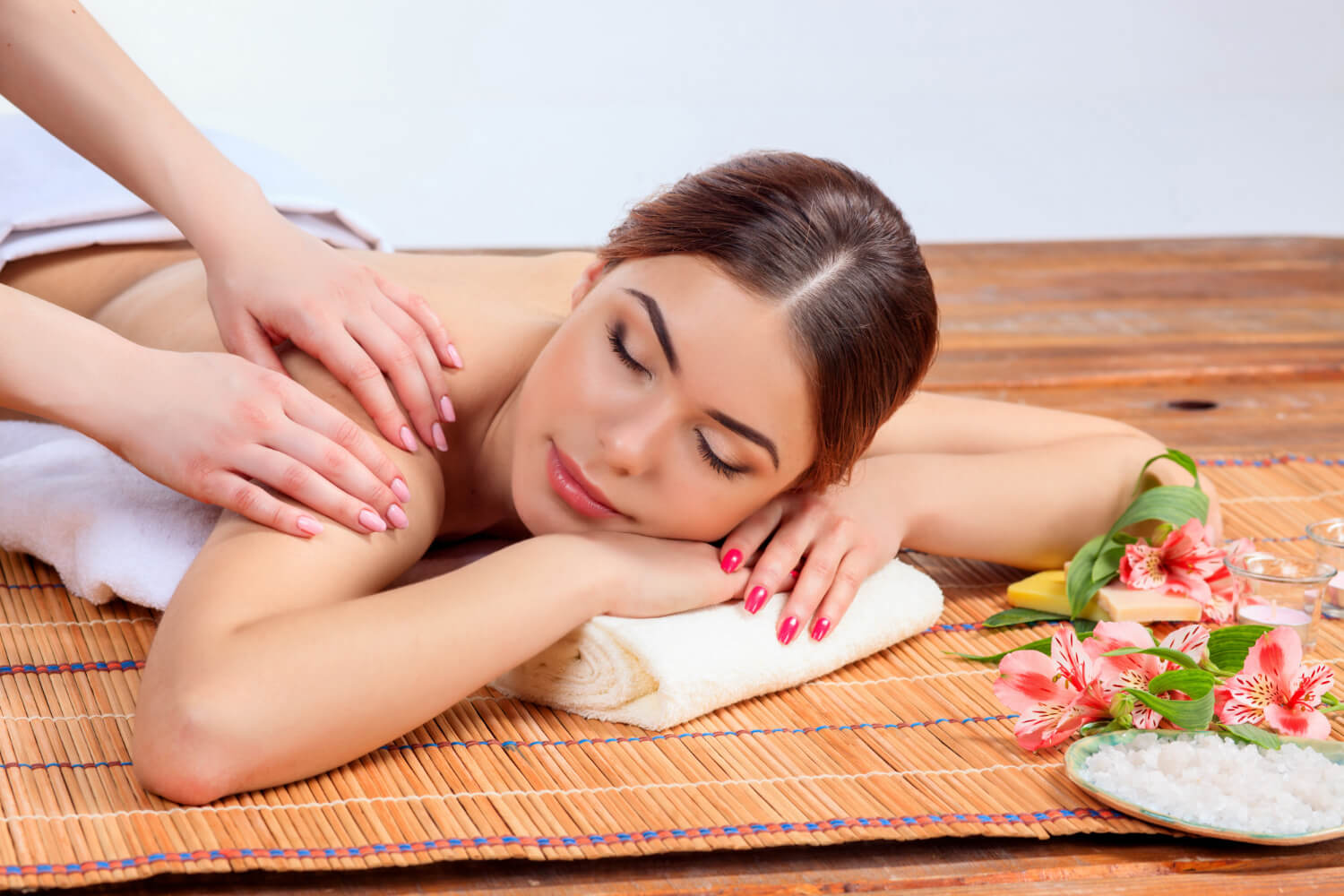
Prenatal massage addresses cardiovascular strain and lower-extremity edema caused by increased blood volume and pelvic venous compression during pregnancy. Certified prenatal therapists utilize specialized side-lying positioning, body support cushions, and gentle pressure calibrated at levels 1 to 3 on the 1–5 scale.
Circulatory benefits include:
- Lower-Extremity Decongestion: Alleviates ankle and foot edema common during the second and third trimesters (from week 13 onward).
- Uteroplacental Perfusion: Promotes systemic vascular relaxation to support optimal maternal-fetal exchange.
- Venous Decompression: Relieves tension in the gluteal and hip regions, reducing pressure on the inferior vena cava and pelvic veins.
The American College of Obstetricians and Gynecologists recognizes adapted prenatal massage as safe and therapeutic when performed by trained practitioners adhering to strict positioning protocols.
Leg Therapy Ideas for Peripheral Flow
Focused leg techniques target lower-extremity vascular pathways to resolve venous pooling and enhance peripheral microcirculation:
- Chronic Venous Insufficiency: Elevates venous velocity through upward effleurage from the ankles to the inguinal lymph nodes.
- Prolonged Sedentary Stagnation: Counteracts desk-bound circulatory slowing with calf compressions and passive ankle mobilizations.
- Peripheral Neuropathy Discomfort: Stimulates superficial plantar nerve endings and cutaneous microcirculation with gentle friction.
Effective routines combine rhythmic plantar compressions, gastrocnemius kneading, and gradual upward strokes to reinforce valvular pumping efficiency.
How to Perform Self-Care to Increase Circulation
You can perform structured self-care routines between professional sessions to sustain vascular elasticity and promote blood flow. Maintaining hydration by drinking water after massage supports these practices by facilitating the renal filtration of cellular metabolites released during bodywork.
Stroking and Effleurage Motions
Begin self-massage with broad, rhythmic stroking motions across your limbs, applying continuous pressure directed toward the heart:
- Hand Placement: Maintain broad contact with your palms and fingers to distribute pressure evenly over large vascular tracts.
- Pressure Calibration: Apply light to moderate pressure (approximately 2 to 3 pounds) without causing vascular pinching.
- Stroke Direction: Always glide upward along the limbs toward central thoracic veins to support venous return.
Squeezing and Kneading Techniques
Apply gentle two-handed squeezing and lifting actions to major muscle groups, maintaining compression for 3 to 5 seconds before releasing:
- Calf Muscle Beds: Squeeze the gastrocnemius and soleus upward to activate the venous pump of the lower leg.
- Forearms and Hands: Knead the flexor and extensor compartments to restore capillary perfusion to fingers.
- Cervical and Shoulder Region: Compress the upper trapezius to release tension restricting vascular outflow from the cranial region.
Using Foam Rollers and Tennis Balls
Myofascial tools apply sustained mechanical compression to loosen restricted tissues and stimulate reactive hyperemia:
- Plantar Vasculature: Roll a tennis ball under the arch of each foot for 60 seconds while seated to stimulate plantar venous plexuses.
- Thoracic and Paraspinal Flow: Position a tennis ball between your upper back and a wall, performing gentle micro-movements to release periscapular tension.
- Thigh and Gluteal Microcirculation: Glide slowly over a foam roller across the quadriceps and hamstrings for 30 to 60 seconds per zone, avoiding direct pressure over bones and joints.
Contraindications for Circulatory Therapy
Circulatory massage therapy requires careful clinical screening because mechanical stimulation can worsen specific cardiovascular, infectious, and hematologic conditions. Consult your primary healthcare provider before receiving treatment if you present with pre-existing vascular disorders.
When should you avoid massage for cardiovascular conditions?
You must avoid circulatory bodywork if you have a history of unmanaged hypertension (blood pressure exceeding 180/100 mmHg), acute myocardial infarction, stroke within recent months, severe congestive heart failure, or diagnosed deep vein thrombosis (DVT), as mechanical pressure can dislodge emboli or overload compromised cardiac output.
Is massage safe during active inflammation or infection?
Massage is contraindicated during active systemic or localized infections, including acute phlebitis, lymphangitis, cellulitis, unresolved skin lesions, or a fever above 100.4°F (38°C), because mechanical friction and accelerated circulatory flow can spread infectious agents and exacerbate tissue inflammation.
Can you get a massage with bleeding disorders?
You should not receive moderate or deep pressure massage if you have hemophilia, thrombocytopenia, advanced vascular fragility, or are undergoing anticoagulant therapy without medical clearance, as mechanical shear stress can trigger subcutaneous hemorrhaging and severe hematomas.
Professional practitioners conduct thorough health intake screenings before every session to identify absolute and relative contraindications, ensuring your physical safety.
Professional Home Massage Service in New York City for Vascular Health
HomeMassage delivers certified in-home therapeutic bodywork across all five New York City boroughs—Manhattan, Brooklyn, Queens, The Bronx, and Staten Island. Headquartered at 106 W 32nd St, New York, NY 10001 (a central dispatch and training facility near Herald Square), HomeMassage operates 100% on location, bringing sanitized massage tables, fresh linens, and hypoallergenic nut-free oils directly to your residence, hotel, or office.
Service Benefits
- Vetted Professionals: 100% of sessions are conducted by NYSED-licensed massage therapists with at least 2 years of clinical experience and $2,000,000 professional liability coverage.
- Dedicated Hands-On Time: A 60-minute booking guarantees 60 full minutes of hands-on therapy; the 10–15 minute equipment setup and breakdown do not reduce your treatment time.
- Tailored Clinical Pressure: Modalities are calibrated to your circulation goals using the standardized HomeMassage 1–5 pressure scale.
- Flexible Seven-Day Coverage: Services operate daily from 07:00 to 21:00 across all 5 boroughs.
Available Services
HomeMassage offers 6 specialized in-home modalities:
- Professional Swedish Massage Service: Gentle to moderate effleurage (pressure 2–3) to support venous return and relieve stress ($155 / 60 min).
- Premier Deep Tissue Massage Service: Firm myofascial therapy (pressure 4–5) targeting chronic vascular compression and deep adhesions ($175 / 60 min).
- Sports Massage Service: Targeted recovery and passive stretching (pressure 3–5) for pre-event and post-event athletic circulation ($180 / 60 min).
- Professional Prenatal Massage Service: Specialized side-lying relief (pressure 1–3) designed for pregnancy swelling from week 13 onward ($170 / 60 min).
- Professional In-Home Couples Massage Service: Side-by-side synchronized massage performed by two licensed LMTs on two portable tables ($330 / 60 min).
- Premier Chair Massage Service: Seated, fully clothed ergonomic wellness sessions for offices and corporate events ($140 per LMT per hour, 2-hour minimum).
Booking Information
With over 21,000 sessions completed and a 4.9/5 rating on Google Business Profile from 1,800+ verified client reviews, HomeMassage provides transparent pricing with no travel surcharges in Manhattan, Brooklyn, Queens, or The Bronx (a flat $30 travel fee applies to Staten Island). Book your session online at homemassagenyc.com or call +1 (917) 426-9100 between 07:00 and 21:00.
Professional in-home massage therapy provides measurable cardiovascular and lymphatic benefits through mechanical tissue manipulation and neuroendocrine balance. Whether managing chronic musculoskeletal tension or improving peripheral blood flow, clinical bodywork delivered to your door supports long-term vascular health and physical well-being.