
Deep pressure therapy provides therapeutic intervention for scarring formation through targeted techniques plus structural manipulation. This manual approach breaks down fibrous adhesions while improving circulation to damaged regions. Professional therapists use specific protocols to address collagen remodeling, restoring functional movement patterns.
Fibrous scarring develops differently than normal skin or muscle structures. The healing process creates dense collagen formations lacking elasticity plus proper alignment. Advanced manual techniques work systematically to reshape these formations, improving flexibility in the area. Many individuals seek professional deep tissue massage nyc to effectively address these stubborn structural restrictions.
HomeMassage specialises in therapeutic bodywork services throughout New York City, delivering professional scar treatment protocols directly to client locations. Our certified practitioners combine deep pressure methods with complementary Swedish modalities plus sports techniques for comprehensive healing support.

Can Deep Tissue Therapy Break Down Scarring?
Deep pressure treatment effectively modifies structural composition through mechanical force along with friction techniques. Research demonstrates that therapeutic manipulation influences collagen fiber alignment, promoting remodeling processes. The intervention works by applying controlled force to break up adhesions, encouraging proper healing patterns.
Manual therapy creates cellular-level changes within affected areas. Therapists use progressive pressure to address fibrous formations while monitoring client comfort plus bodily response. For those sensitive to pressure, understanding how to manage deep tissue massage pain is a vital part of the recovery journey. This approach produces measurable improvements in flexibility along with function.
Clinical studies support therapy effectiveness for scar management across various injury types. Post-surgical marks, traumatic injuries, plus chronic adhesions respond positively to skilled therapeutic intervention.
Physiological Effects of Therapy on Fibrous Areas
Manual treatment creates multiple physiological responses within scarred regions. Mechanical pressure increases local blood circulation, delivering nutrients plus oxygen to healing spots. The improved flow removes metabolic waste products contributing to rigidity.
Friction techniques stimulate cellular regeneration, promoting collagen turnover. This process gradually replaces dense formations with flexible structures. The manipulation also activates proprioceptive responses, improving nerve function in affected zones. Therapists often focus on how to improve circulation massage techniques to accelerate the body’s natural repair mechanisms.
Temperature increases during sessions enhance plasticity. The warmth makes collagen fibers more pliable, allowing practitioners to work effectively with resistance patterns. This thermal effect extends treatment benefits beyond the session duration.
How Scarring Is Different From Healthy Skin
Cicatricial formations consist primarily of Type I collagen arranged in parallel fiber patterns. Normal dermal layers contain a balanced mixture of collagen types with multi-directional orientation. This structural difference creates the characteristic stiffness plus reduced elasticity of scarred spots.
Blood vessel formation in these fibrous areas remains limited compared to healthy regions. The reduced vascularisation affects nutrient delivery along with waste removal processes. This limitation contributes to ongoing stiffness plus reduced healing capacity.
Nerve regeneration in damaged zones often produces altered sensation patterns. Some regions become hypersensitive while others lose normal feeling. These neurological changes affect movement quality plus protective responses.

The Process of Cellular Remodeling Through Bodywork
Remodeling occurs through three distinct phases during treatment. The initial inflammatory phase involves increased circulation plus cellular activity. Therapists use gentle techniques during this period to avoid overwhelming healing structures.
The proliferation phase features active collagen production plus fiber alignment. Deep pressure techniques become more aggressive during this stage, working to influence new formation patterns. Practitioners apply cross-friction plus sustained force to guide proper collagen orientation.
The maturation phase involves ongoing refinement along with strengthening. Therapy continues to support optimal fiber alignment while improving overall quality. This final phase may extend for months or years depending on injury severity.
Deep Pressure Techniques for Scar Management
Professional scar care incorporates multiple categories to address different characteristics. Each method targets specific aspects of formation while promoting optimal healing responses. Therapists combine these approaches based on individual client needs plus maturity levels of the injury.
Technique selection depends on age, location, as well as client tolerance levels. Recent wounds require gentle approaches while mature adhesions tolerate intensive intervention. Skilled practitioners adjust pressure, direction, plus duration to achieve therapeutic goals safely.
Image Description: Professional therapist demonstrating cross-friction technique on arm scarring with anatomical diagram showing collagen fiber direction changes
Cross Friction Application
Cross friction applies pressure perpendicular to fiber direction. This technique effectively breaks up linear collagen arrangements creating stiffness plus restriction. Practitioners use fingertips or thumb pressure to work systematically across the entire length.
The method requires precise application to avoid damage while achieving therapeutic effects. Sessions typically last 5-10 minutes per area, with intensity building gradually over multiple treatments. Clients may experience mild discomfort during application, which subsides as the region becomes more pliable.
Treatment frequency affects outcome quality significantly. Daily self-care combined with weekly professional sessions produces optimal results. Consistency ensures progressive changes rather than temporary improvements.
Myofascial Release
Myofascial release addresses the fascial networks surrounding formations. This technique uses sustained pressure to elongate restrictions developing around injury sites. Therapists apply gentle traction forces to encourage separation plus improved mobility.
The approach works particularly well for large surgical marks affecting multiple layers. Treatment sessions focus on gradually restoring normal gliding between skin, muscle, plus organ structures. Progress occurs slowly, requiring patience along with consistent application.
Advanced myofascial techniques incorporate position changes plus movement patterns during treatment. These dynamic approaches better address functional movement restrictions developing around affected zones. Using a specialized athletic recovery massage can further enhance these results for active individuals.
Linear and Circular Motions
Linear techniques follow fiber directions to promote proper alignment. Therapists use long, smooth strokes to encourage collagen organization in functional patterns. This method works well for recent wounds still in active healing phases.
Circular motions address adhesions between layers while improving local circulation. The technique combines light pressure with repetitive movements to gradually soften rigid areas. Practitioners vary circle size plus force based on response.
Combination approaches alternate between linear plus circular techniques within single treatment sessions. This variation prevents adaptation while addressing multiple restriction types simultaneously.
Instrument Assisted Soft Tissue Mobilisation
Instrument assisted soft tissue mobilisation (IASTM) tools enhance traditional effectiveness for scar treatment. Metal implements with specific edge designs concentrate pressure while reducing therapist hand fatigue. These tools detect density changes that hands cannot identify.
Treatment protocols using instruments require specialised training to ensure safety plus effectiveness. Proper technique prevents damage while maximising therapeutic benefits. Sessions typically involve shorter application times with higher pressure concentration.
Research supports instrument assisted techniques for chronic management where manual therapy alone produces limited results. The enhanced mechanical advantage allows practitioners to address deeper restrictions more effectively.
Stretching and Lubrication
Stretching techniques maintain plus improve range of motion around scarred areas. Therapists guide clients through specific movement patterns while applying manual assistance. This combination approach prevents adhesion formation while encouraging lengthening.
Proper lubrication reduces friction during application while protecting integrity. Professional oils plus lotions provide optimal glide characteristics without causing skin irritation. Product selection considers individual skin sensitivities along with treatment goals.
Stretching programs extend between therapy sessions through home exercise protocols. Clients learn specific movements supporting ongoing flexibility improvements. For localized issues, such as foot conditions, a specific massage for plantar fasciitis can be integrated into the treatment plan.
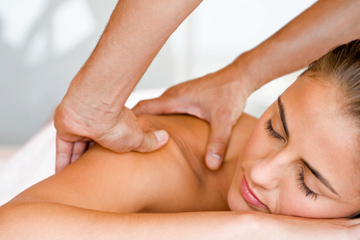
Benefits of Deep Pressure Therapy for Scarring
Deep pressure intervention produces multiple measurable benefits for individuals managing complications. Treatment outcomes include improved physical function, reduced discomfort, plus enhanced quality. These benefits accumulate over time with consistent therapeutic intervention.
Clinical research supports therapy effectiveness across various scar types plus patient populations. Studies demonstrate significant improvements in flexibility, pain levels, along with functional capacity following structured treatment protocols.
Key therapeutic benefits include:
- Improved Range of Motion: Targeted mechanical intervention addresses dense collagen arrangements limiting elasticity. Treatment produces measurable flexibility gains within weeks.
- Pain Reduction: Therapy reduces discomfort by addressing nerve compression plus tension. Hypersensitive areas respond well to graduated pressure application.
- Enhanced Circulation: Improved blood flow delivers essential nutrients while removing metabolic waste. Lymphatic drainage improvements reduce localised swelling plus inflammation.
- Better Tissue Quality: Oxygenation increases significantly during sessions, supporting cellular repair mechanisms plus optimal healing responses.

When to Start Scar Treatment After Injury or Surgery
Timing of initiation affects outcomes significantly. Starting too early may interfere with natural healing, while delayed intervention allows adhesions to become established. Medical clearance ensures safe timing based on individual progress.
Different injury types plus surgical procedures require specific timing considerations. Superficial wounds heal more rapidly than deep injuries, affecting readiness. Professional guidance helps determine optimal commencement timing.
Early intervention focuses on gentle techniques supporting healing without causing damage. Treatment intensity increases gradually as the area matures to tolerate more intensive intervention.
Timeline for Post-Surgery Care
Post-surgical therapy typically begins 2-6 weeks after procedure completion, depending on wound healing progress. Superficial procedures may allow earlier intervention while major operations require extended healing time. Surgeon approval remains essential before starting.
The first 2 weeks post-surgery focus on wound protection plus initial healing processes. Manipulation during this period may disrupt suture integrity or increase infection risk. Professional assessment determines when the area can safely tolerate therapeutic intervention.
Weeks 3-6 represent the optimal window for beginning gentle work. Early intervention during this period prevents problematic adhesion formation while supporting proper alignment. Intensity remains conservative during initial sessions.
Is It Ever Too Late to Start Treatment?
Mature scars benefit from therapy regardless of age, though treatment requires longer duration plus increased intensity. Established adhesions respond more slowly to intervention but show measurable improvements with consistent application.
Marks over one year old typically require 3-6 months of regular sessions to achieve significant changes. Older adhesions may need instrument assisted techniques or manual combinations for optimal results.
Patient motivation plus treatment compliance become crucial factors for success with mature cases. Realistic expectations help maintain engagement throughout extended protocols.
Contraindications and Safety Precautions
Active infection around sites represents an absolute contraindication. Open wounds, active inflammation, or suspected cellulitis require medical treatment before intervention. Professional therapists assess condition before each session.
Cancer-related marks need oncologist clearance before therapy begins. Some cancer treatments affect healing plus tolerance. Radiation sites may require modified techniques or delayed intervention timing.
Blood clotting disorders or anticoagulant medications require special consideration. Increased bleeding risk may necessitate pressure modifications or technique adjustments. Medical consultation ensures safe protocols.
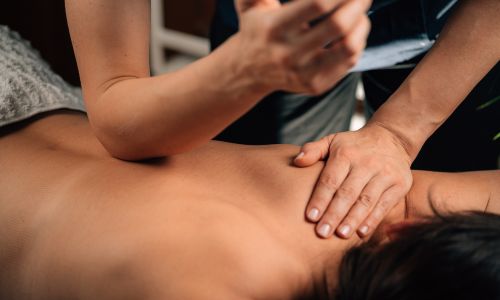
HomeMassage Deep Tissue Service in New York City
HomeMassage delivers professional treatment services throughout New York City’s five boroughs. Our licensed practitioners specialise in therapeutic techniques specifically designed for management plus healing. Each session incorporates evidence-based approaches tailored to individual client needs along with timelines. Booking a home massage service in NYC ensures you receive expert care without the stress of travel.
Our mobile service eliminates transportation barriers while providing care in comfortable, familiar environments. This convenience factor improves compliance plus outcomes for clients managing injury recovery or post-surgical healing.
Treatment protocols combine deep pressure methods with complementary therapies including Swedish modalities, sports techniques, plus prenatal options. This integrated approach addresses multiple aspects of healing while supporting overall wellness goals.
Why Choose Home Service for Scar Care
Professional care requires specialised knowledge of healing processes, anatomical structures, plus therapeutic techniques. HomeMassage practitioners complete advanced training in manual approaches specifically designed for management plus adhesion treatment.
In-home sessions provide privacy plus comfort that clinical settings cannot match. Clients relax more completely in familiar surroundings, enhancing therapeutic benefits while reducing stress-related tension. This environment also allows for longer sessions without travel fatigue.
Consistent practitioner assignment ensures continuity of care plus progression monitoring. The same provider tracks progress, adjusts techniques accordingly, and maintains detailed records. This personalised approach produces superior outcomes compared to rotating provider models.
Combining Deep Pressure With Sports and Swedish Modalities
Integrated therapy approaches address multiple aspects of management while supporting overall health. Deep pressure targets specific adhesions while Swedish methods improve general circulation plus relaxation responses. Sports components address movement dysfunction along with performance limitations.
Swedish techniques prepare the area for deeper intervention while promoting relaxation. The gentle pressure plus rhythmic strokes improve circulation reducing muscle tension around sites. This preparation enhances effectiveness while improving client comfort.
Sports methods address functional movement patterns affected by restrictions. These techniques focus on restoring normal biomechanics preventing compensation patterns leading to secondary injuries. The approach particularly benefits athletes plus active individuals recovering from injury.
Frequently Asked Questions About Scar Tissue Massage
Can I Self-Massage a Scar?
Yes, self-massage serves as an effective way to support scar healing when performed correctly under guidance.
When to start self-care?
Basic techniques are safe for home application between professional sessions. Start with gentle circular motions using unscented moisturiser or oil, applying light pressure for 5-10 minutes daily. Begin self-care once the wound has completely closed plus any scabs have naturally fallen off. Medical clearance ensures the area is ready for manipulation without risk of reopening. Initial sessions should feel comfortable without causing pain or blanching.
Why is guidance important?
Technique education from a qualified practitioner maximises benefits while preventing potential harm. Professional guidance helps identify appropriate pressure levels, movement directions, plus duration. Incorrect application may worsen formation or cause damage. Progressive pressure increases as tolerance improves over weeks of consistent application. Monitor skin colour plus sensation during the process, stopping if unusual changes occur. Regular professional assessment ensures self-care protocols remain appropriate as healing progresses.
Do Massage Guns Break Up Scar Tissue?
Percussive therapy devices may assist in management but require careful application to avoid damaging delicate healing structures.
Are massage guns precise?
These devices deliver rapid, concentrated pressure that can affect superficial adhesions when used appropriately. However, they lack the precision plus adaptability of manual techniques. Professional supervision ensures safe device application for treatment. Improper use may worsen formation, cause bruising, or damage healing areas. Speed plus pressure settings require adjustment based on maturity, location, and individual tolerance levels.
Manual therapy vs devices?
Manual therapy remains more effective than mechanical devices for comprehensive management. Skilled therapists adjust pressure, direction, plus technique based on response, providing superior precision. Guns work best as supplementary tools within broader protocols. Combine percussive therapy with traditional techniques for optimal results. Use devices for general circulation improvement while relying on manual work for specific adhesion treatment. This integrated approach maximises therapeutic benefits while maintaining safety.
