

Modern life demands constant connection to digital devices. Office workers, students, plus remote professionals spend 6 to 8 hours daily hunched over screens. This prolonged forward head posture creates a condition known as tech neck. The strain affects millions of Americans, with 73% of college students alongside 65% of remote workers reporting neck discomfort coupled with back pain.
Tech neck develops when your head tilts forward repeatedly to view phones, tablets, or computer monitors. A 15-degree forward tilt adds 27 pounds (12.2 kg) of pressure to neck muscles. At 60 degrees, the pressure exceeds 60 pounds (27.2 kg). This excessive load strains the cervical spine as well as surrounding musculature.
What Is Tech Neck? How Does It Affect You?
Tech neck is a repetitive strain injury affecting the cervical spine, shoulders, and upper back caused by the extended use of electronic devices. While the head weighs 10-12 pounds in a neutral position, forward head posture forces specific muscle groups (suboccipital, upper trapezius, levator scapulae) to work harder than intended, creating chronic tension patterns.
Understanding the Causes of Digital Eye Strain with Neck Pain
Digital device usage creates multiple biomechanical problems. Screen placement below eye level forces downward gaze while small text requires users to lean closer to devices. Poor workstation ergonomics compounds these issues.
Extended screen time reduces blinking frequency by 30 to 50%. This decrease causes eye dryness, forcing users to squint. Squinting tightens facial muscles, which connects to neck tension through fascial networks.
Blue light exposure disrupts circadian rhythms plus increases eye strain. The combination of visual stress along with poor posture creates a cycle of muscle tension leading to pain.

Common Symptoms: From Stiffness to Tension Headaches
Tech neck manifests through various symptoms that worsen over time. Initial signs include mild neck stiffness plus occasional shoulder tension. Without intervention, symptoms progress to chronic pain alongside reduced mobility.
Primary symptoms include:
- Neck stiffness.
- Shoulder blade pain.
- Upper back tension.
Headaches develop as trigger points form in the suboccipital plus upper trapezius muscles. Some individuals experience numbness or tingling in the arms as well as hands.
Secondary symptoms encompass sleep disturbances, concentration difficulties, coupled with mood changes. Pain-related stress contributes to fatigue while decreasing productivity. The combination of physical plus mental symptoms significantly impacts quality of life.
The Long-Term Impact of Poor Posture
Prolonged poor posture creates structural changes in the musculoskeletal system. Muscles adapt to shortened positions, losing flexibility while reducing strength. The forward head posture becomes the body’s new “normal” position.
Chronic muscle imbalances develop over months or years. The deep neck flexors weaken; meanwhile, superficial muscles tighten. This imbalance perpetuates poor posture plus increases injury risk.
Advanced cases may develop cervical disc problems, nerve impingement, or thoracic outlet syndrome. Early intervention through massage therapy coupled with postural correction prevents these complications.
How Can Massage Help Tech Neck Symptoms?
Massage therapy alleviates tech neck by releasing muscle tension, improving circulation, and restoring normal movement patterns through skilled touch. Professional therapists use techniques like Deep Tissue to break down fascial adhesions and Swedish massage to promote relaxation. Research from 2016 confirms that massage significantly reduces tension headache intensity while improving range of motion.
Soothing Tired Muscles by Releasing Trigger Points
Tech neck creates trigger points in key muscle groups. These hyperirritable spots refer pain to other areas, contributing to headaches alongside shoulder discomfort. Massage therapy effectively releases these problematic areas.
The upper trapezius muscle commonly develops trigger points from sustained elevation. Massage techniques apply sustained pressure to deactivate these points. Proper release reduces referred pain to the head plus shoulders.
Suboccipital muscles at the skull base become tight from constant upward gaze compensation. These small but powerful muscles respond well to gentle pressure along with stretching techniques. Relief in this area often eliminates tension headaches.
Improving Range of Motion via Flexibility
Chronic muscle tension restricts cervical spine movement. Tech neck sufferers often lose the ability to fully rotate or extend their necks. Massage therapy gradually restores normal range of motion through targeted stretching plus mobilization.
Myofascial release techniques address fascial restrictions that limit movement. The fascia, a connective tissue network, can become rigid as well as adherent. Gentle sustained pressure encourages fascial release while improving flexibility.
Post-massage range of motion typically increases by 15 to 25%. Regular sessions maintain these improvements, preventing regression to limited movement patterns.
Reducing Stress while Promoting Better Posture
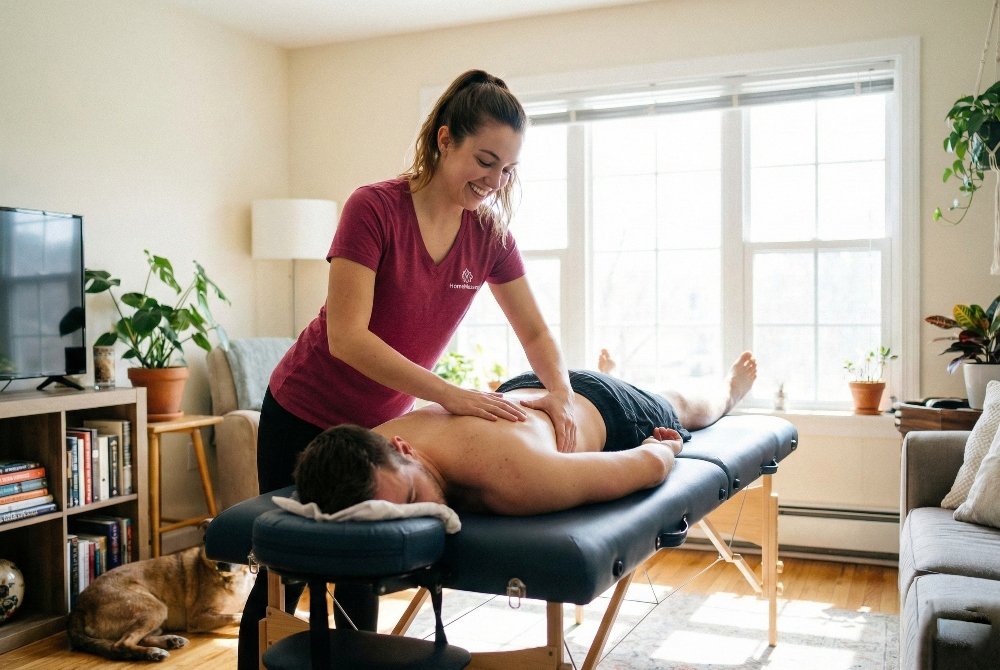
Massage therapy activates the parasympathetic nervous system, promoting relaxation plus stress relief. Lower stress levels reduce muscle tension while improving sleep quality. Better sleep supports tissue healing alongside pain reduction.
Therapeutic touch increases body awareness, helping clients recognize postural habits. Many individuals unconsciously adopt forward head posture throughout the day. Increased awareness enables conscious postural correction.
Regular massage sessions create positive feedback loops. Reduced pain encourages better posture, which decreases future strain. This cycle promotes long-term postural improvement as well as pain prevention.
Best Massage Services for Tech Neck Treatment
Different massage modalities offer specific benefits for tech neck symptoms. The choice depends on symptom severity, individual preferences, plus treatment goals. Professional therapists often combine techniques for optimal results.
Assessment determines the most appropriate treatment approach. Acute symptoms may benefit from gentle Swedish techniques. Chronic conditions typically require deeper tissue work along with trigger point therapy.
Treatment plans evolve as symptoms improve. Initial sessions focus on pain relief plus muscle relaxation. Later treatments emphasize postural correction alongside prevention strategies.
Deep Tissue Massage Service for Chronic Tension
Deep tissue massage targets the deeper layers of muscle plus fascia. This modality effectively addresses chronic tension patterns associated with long-term tech neck. Sustained pressure breaks down adhesions while releasing stubborn trigger points.
The technique uses slow, deliberate strokes with firm pressure. Therapists work systematically through each muscle layer, accessing deeper structures. This approach provides lasting relief for chronic conditions.
Deep tissue massage may cause temporary soreness as tissues release. Post-treatment hydration plus gentle movement support the healing process. Benefits typically include reduced pain, improved flexibility, as well as restored function.
Sports Massage Service for Injury Prevention
Sports massage combines various techniques to address muscle imbalances while preventing injury. This modality suits active individuals seeking to maintain neck health while continuing their fitness routines.
Treatment includes assessment of movement patterns plus muscle function. Therapists identify compensations alongside imbalances that contribute to tech neck symptoms. Corrective techniques restore proper muscle activation patterns.
Sports massage incorporates stretching, strengthening education, coupled with lifestyle modifications. This comprehensive approach addresses both symptoms plus underlying causes. The goal extends beyond pain relief to performance optimization.
Swedish Massage Service for Relaxation plus Circulation
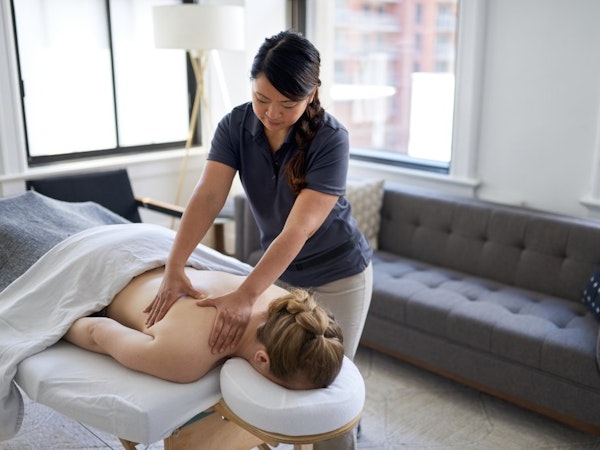
Swedish massage uses flowing strokes combined with gentle pressure to promote relaxation. This modality suits individuals with acute symptoms or those new to massage therapy. The gentle approach reduces muscle guarding while promoting healing.
Treatment begins with light effleurage strokes to warm tissues plus reduce tension. Kneading techniques address specific areas of tightness. Gentle stretching movements restore mobility alongside reducing stiffness.
Swedish massage activates the relaxation response, reducing stress hormones as well as muscle tension. Improved circulation delivers nutrients to healing tissues while removing metabolic waste. The combination supports natural healing processes.
Chair Massage Service for Quick Neck plus Shoulder Relief
Chair massage provides convenient, targeted relief for busy professionals. Sessions typically last 15 to 30 minutes, focusing specifically on tension in the following areas:
- Neck
- Shoulder
- Upper back
This service suits individuals with limited time or those seeking workplace wellness solutions.
Treatment addresses the primary areas affected by tech neck without requiring full undressing or extended time commitments. Therapists use specialized chairs that support proper positioning for neck plus shoulder work.
Chair massage offers immediate relief; sessions can be scheduled during lunch breaks or between meetings. Regular sessions maintain muscle health while preventing symptom progression. The convenience factor encourages consistent self-care habits.
Experience Home Massage Service in New York City with HomeMassage
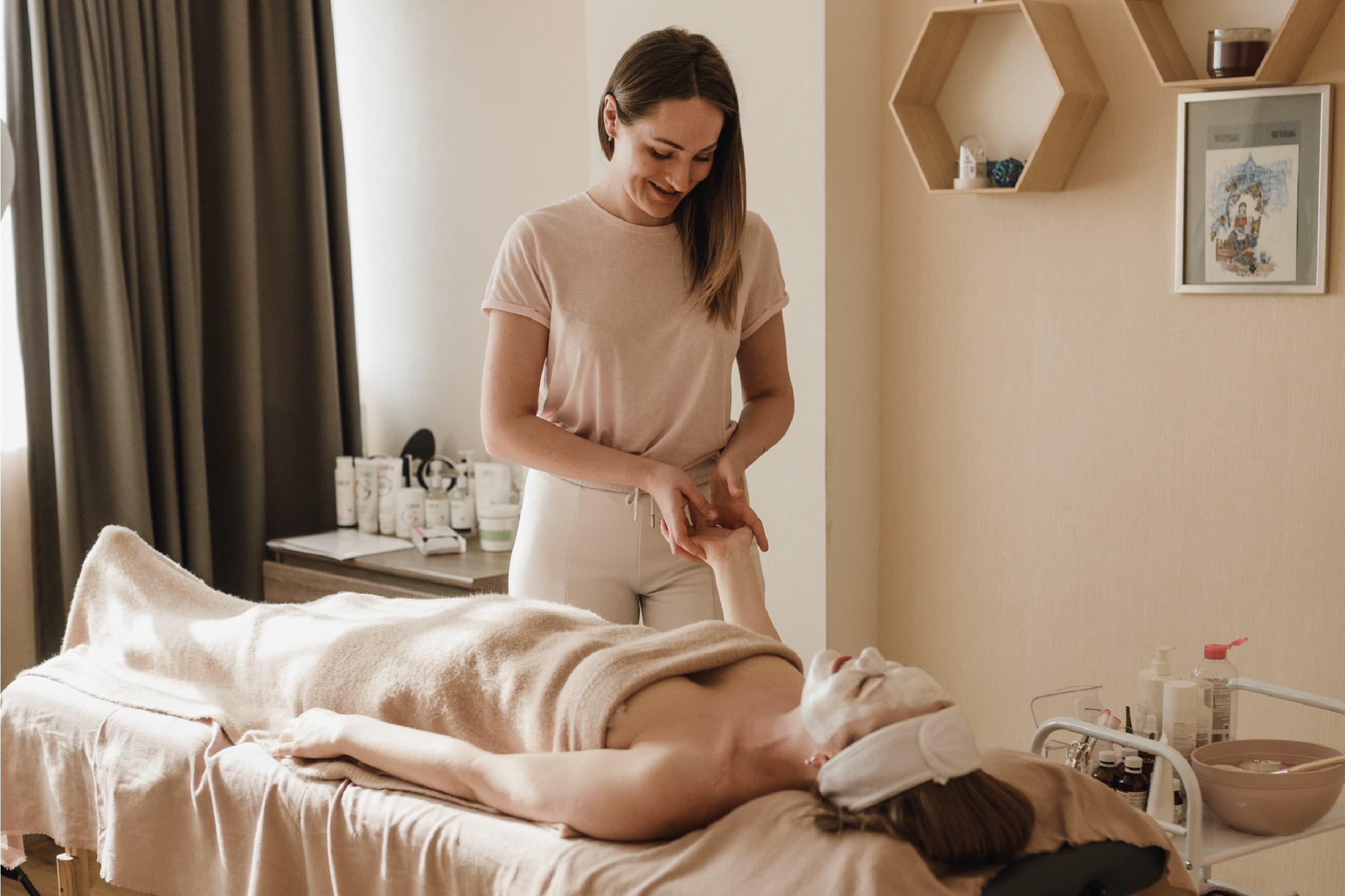
HomeMassage brings professional therapy directly to your location in New York City. This service eliminates travel time, providing treatment in familiar, comfortable surroundings. The convenience factor increases treatment compliance as well as outcomes.
Licensed massage therapists arrive with portable equipment, creating a spa-like environment in your home or office. Sessions can be scheduled around work demands plus family obligations. This flexibility suits the busy lifestyle common in New York City.
Home service allows for immediate post-treatment rest alongside relaxation. Clients can shower in their own facilities then continue with their day without additional travel. The comfort of home enhances the overall therapeutic experience.
The Convenience of Mobile Massage for Busy Lifestyles
New York City professionals face unique challenges in maintaining health plus wellness. Long commutes, demanding work schedules, alongside limited time create barriers to regular self-care. Mobile massage removes these obstacles.
Treatment scheduling accommodates various preferences, including early morning, lunch hour, or evening appointments. Weekend plus holiday availability ensures consistent care regardless of work demands. Emergency appointments address acute symptoms promptly.
Mobile massage eliminates parking concerns, traffic delays, as well as facility waiting times. The time saved can be invested in treatment or other wellness activities. This efficiency appeals to time-conscious New York residents.
Couples Massage Service: Shared Relaxation plus Pain Relief
Couples massage provides simultaneous treatment for partners sharing similar lifestyle stresses. Many couples experience tech neck symptoms from shared work environments or device usage patterns. Coordinated treatment addresses both individuals’ needs efficiently.
Shared sessions create accountability for ongoing self-care practices. Partners can support each other’s postural correction efforts plus ergonomic improvements. This collaboration enhances treatment outcomes while preventing symptom recurrence.
The relaxing shared experience strengthens relationships while addressing physical symptoms. Stress reduction benefits both partners’ overall health as well as relationship quality. Regular couples sessions establish positive wellness routines.
Prenatal Massage Service: Safe Neck Care for Expecting Mothers
Pregnancy creates additional postural challenges as body weight distribution changes. Growing belly size alters center of gravity, often increasing cervical spine stress. Prenatal massage addresses these unique needs safely.
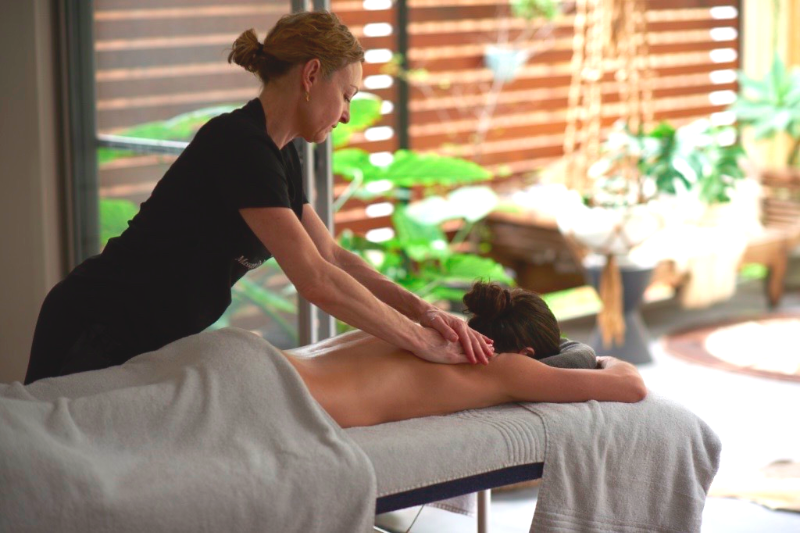
Certified prenatal therapists understand pregnancy-related anatomical changes plus contraindications. Treatment positions alongside techniques are modified for maternal and fetal safety. Special attention addresses neck strain from sleep position changes plus breast weight increases.
Pregnancy hormones increase joint laxity, making gentle techniques more appropriate. Massage therapy provides safe pain relief alternatives to medications. The relaxation benefits support overall maternal health as well as stress management.
Self-Care Tips to Prevent Tech Neck at Home
Professional massage therapy provides excellent treatment, but daily self-care prevents symptom recurrence. Simple exercises plus postural awareness significantly reduce tech neck risk. Consistency in these practices maintains treatment benefits.
Prevention strategies address both workplace ergonomics and personal device usage. Small changes in setup plus habits create substantial improvements in neck health. The investment in prevention far exceeds treatment costs over time.
Education about proper positioning alongside movement patterns empowers individuals to take control of their neck health. Understanding the mechanics behind tech neck facilitates better decision-making throughout the day.

Simple Stretching Exercises for Neck plus Shoulders
Daily stretching maintains muscle length while preventing adhesion formation. Simple exercises can be performed at work or home without special equipment. Consistency matters more than intensity for prevention.
- Upper trapezius stretching: Involves gentle side-bending of the head away from the tight side. Hold for 30 seconds, feeling the stretch along the side of the neck. Perform 3 repetitions on each side, 2 to 3 times daily.
- Chin tuck exercises: Strengthen deep neck flexors while stretching posterior muscles. Gently draw the chin back, creating a double chin appearance. Hold for 5 seconds; repeat 10 times. Perform hourly during prolonged computer work.
- Shoulder blade squeezes: Counteract rounded shoulder posture. Pull shoulder blades together as if trying to hold a pencil between them. Hold for 5 seconds; repeat 10 times. This exercise can be performed throughout the workday.
Optimizing Your Workspace Ergonomics
Proper workstation setup prevents tech neck development while supporting recovery. Monitor position significantly impacts neck posture throughout the workday. Screen top should align with eye level to maintain neutral head position.
Keyboard and mouse positioning affects shoulder plus neck alignment. Arms should rest at 90-degree angles with relaxed shoulders. Wrist supports prevent compensatory neck tension from awkward arm positioning.
Chair support maintains natural spinal curves while reducing neck strain. Lumbar support prevents slouching, which contributes to forward head posture. Adjustable armrests reduce shoulder elevation as well as associated neck tension.
Document holders positioned at screen level prevent constant head movement between paper plus monitor. Phone headsets eliminate neck cradling during calls. These small changes accumulate significant benefits over time.
Developing Healthy Technology Habits
Conscious device usage patterns reduce cumulative neck strain. The 20-20-20 rule recommends looking at something 20 feet (6 meters) away for 20 seconds every 20 minutes. This practice relaxes accommodation muscles while encouraging posture changes.
Text neck prevention involves bringing devices to eye level rather than looking down. Tablet stands alongside phone holders maintain better positioning during extended use. Voice-to-text features reduce typing time plus associated poor posture.
Scheduled device breaks every 30 to 60 minutes allow postural reset along with muscle relaxation. Brief walks or stretching sessions interrupt sustained positions. Setting phone reminders helps establish consistent break habits.
Sleep hygiene affects recovery from daily neck stress. Proper pillow support maintains neutral cervical alignment during rest. Avoiding device use 1 hour before bedtime improves sleep quality as well as tissue healing.
Schedule Your Relief with HomeMassage Today
Tech neck symptoms worsen without intervention, but professional massage therapy provides effective relief. HomeMassage offers convenient, professional treatment in the comfort of your New York City location. Licensed therapists bring expertise plus specialized equipment directly to you.
Scheduling flexibility accommodates the demanding pace of city life. Same-day appointments address acute symptoms, while regular sessions prevent recurrence. The investment in professional care prevents more serious complications while maintaining quality of life.
Contact HomeMassage to schedule your tech neck relief session. Our team of experienced therapists specializes in addressing the unique challenges of modern digital life. Take the first step toward pain-free computing alongside improved neck health.
The combination of professional treatment, ergonomic improvements, plus consistent self-care creates lasting relief from tech neck symptoms. Don’t let digital device usage control your comfort as well as well-being. Professional massage therapy offers proven solutions for this modern epidemic.
HomeMassage brings professional relief directly to your location in New York City. Book your session today; experience the convenience of expert care in your own space.
