Lower back pain affects 80% of adults during their lifetimes, disrupting daily mobility, sleep quality, and physical productivity. Professional mobile massage provides evidence-based relief by targeting hypertonic muscle groups, stimulating local circulation, and alleviating lumbar soft-tissue inflammation. Certified therapists deliver personalized manual therapy directly to your living or work space, eliminating the physical strain of commuting across New York City.
Benefits of Manual Therapy for Lower Back Pain
Manual therapy provides measurable relief for lower back pain by alleviating mechanical strain, restoring articular mobility, and reducing hypertonicity in lumbar musculature. Clinical findings from the American Massage Therapy Association demonstrate that targeted bodywork can reduce cortisol levels by 30% while increasing microcirculation in ischemic soft tissues.
Primary therapeutic mechanisms include myofascial release to dissolve fibrous adhesions and trigger point therapy for knots to deactivate neuromuscular referral pain patterns. Licensed therapists apply calibrated pressure to stimulate the parasympathetic nervous system, downregulating central pain sensitization and muscle guarding.
Research published by the National Center for Complementary and Integrative Health indicates that manual therapy provides superior pain relief and functional improvement compared to standard medical care alone. Patients experience decreased lumbar stiffness, enhanced spinal range of motion, and reduced reliance on pharmacological analgesics.
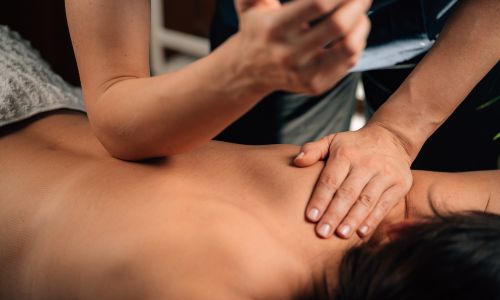
Best Types of Bodywork for Back Pain Relief at HomeMassage
HomeMassage delivers specialized manual bodywork modalities designed to target acute and chronic lower back conditions. Licensed Massage Therapists (LMTs) bring professional treatment tables, hypoallergenic linens, and clinical expertise directly to your residence across New York City.
Deep Tissue Therapy for Chronic Tension
Premier Deep Tissue Massage Service targets sub-surface musculature and deep fascial layers in the lumbosacral region. This modality utilizes sustained, perpendicular friction and slow ischemic compression to dissolve chronic intramuscular adhesions.
- Releases active trigger points within the erector spinae and quadratus lumborum muscles.
- Enhances oxygenated arterial blood flow to deep ischemic tissue layers.
- Reduces chronic inflammatory markers around lumbar vertebral joints.
- Restores structural elasticity to shortened spinal ligaments and fascia.
Therapists concentrate on paraspinal groups, including the multifidus, longissimus, and iliocostalis, which routinely seize during prolonged desk work or physical strain.
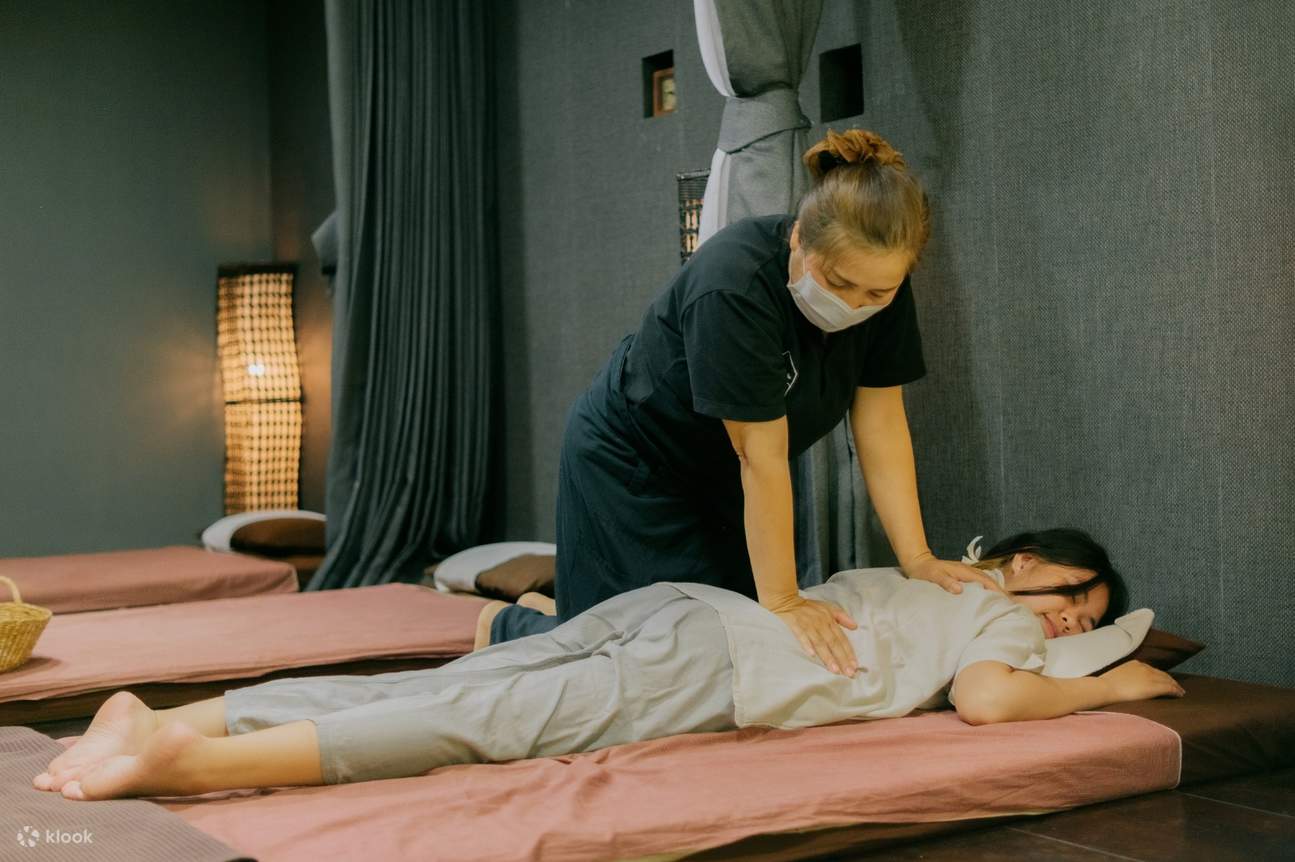
Swedish Massage Service for Relaxation and Circulation
Professional Swedish Massage Service utilizes rhythmic gliding strokes, gentle kneading, and passive joint mobilization to stimulate systemic circulation across the lumbar region. This gentle-to-medium pressure modality alleviates postural stress and promotes comprehensive nervous system recovery.
- Applies effleurage strokes to warm superficial lumbar tissues and enhance venous return.
- Utilizes petrissage kneading to improve lymphatic drainage and metabolic waste clearance.
- Delivers gentle cross-fiber friction to soften hypertonic paraspinal bundles.
- Incorporates passive stretching to improve hip and low-back functional mobility.
Swedish modalities benefit individuals experiencing tension headaches, postural fatigue, and stress-induced muscle rigidity from demanding urban routines.
Sports Therapy for Injury Recovery
Sports Massage Service integrates deep soft-tissue mobilization, proprioceptive neuromuscular facilitation (PNF) stretching, and trigger point deactivation for athletic lumbar injuries. Delivered as an in home sports massage nyc, this protocol accelerates tissue repair and restores functional biomechanics.
- Prepares musculature before athletic competition to minimize strain risks.
- Accelerates post-workout metabolic recovery to decrease delayed onset muscle soreness (DOMS).
- Rehabilitates subacute soft-tissue microtrauma across the lumbar and pelvic girdles.
- Optimizes neuromuscular efficiency through targeted hamstring, gluteal, and hip flexor lengthening.
Runners, strength athletes, and active fitness enthusiasts benefit from sports bodywork calibrated to their specific training cycles.
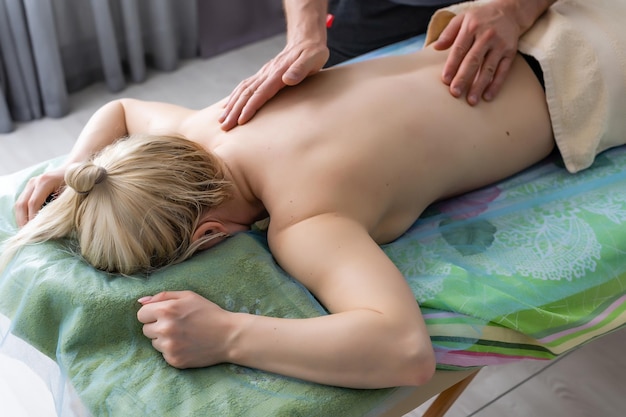
Prenatal Care for Pregnancy Back Pain
Professional Prenatal Massage Service provides safe, side-lying bodywork for expectant mothers experiencing pregnancy back pain massage from the 13th week of pregnancy onward. Certified therapists utilize specialized body-cushioning systems and calibrated light-to-moderate pressure to relieve musculoskeletal strain.
- Relieves compensatory muscular strain caused by shifting center of gravity and lumbar lordosis.
- Decompresses pelvic pressure on the sciatic nerve branches and piriformis muscles.
- Enhances rest and sleep quality by lowering systemic maternal cortisol levels.
- Decreases peripheral edema in the lower extremities through gentle circulatory strokes.
All prenatal sessions strictly adhere to maternal health protocols, utilizing supportive cushioning and avoiding contraindicated pressure points.
Key Muscles Targeted for Relieving Low Back Pain
Effective manual relief for lower back pain requires precise clinical manipulation of interconnected posterior and pelvic muscle groups. HomeMassage therapists evaluate soft-tissue restriction across primary lumbar, pelvic, and anterior hip stabilizers.
The Quadratus Lumborum (QL) and Erector Spinae
The quadratus lumborum (QL) connects the 12th rib to the posterior iliac crest, frequently developing painful hypertonicity during prolonged asymmetrical sitting or repetitive spinal rotation. This deep stabilizer routinely refers dull, persistent pain directly into the lumbar spine and sacroiliac joints.
The erector spinae group consists of 3 distinct longitudinal muscle columns that maintain vertical spinal posture:
- Spinalis: Aligns closest to the spinous processes to control spinal extension.
- Longissimus: Forms the intermediate muscle bundle to provide core spinal stability.
- Iliocostalis: Occupies the lateral tract to facilitate lateral flexion and trunk rotation.
Targeted manual therapy releases fascial restrictions across these spinal columns, restoring optimal length-tension balance throughout the posterior chain.
Glutes and Hips Connection to Back Pain
The gluteus maximus, gluteus medius, and gluteus minimus provide essential pelvic stabilization and sacral alignment during movement. Neuromuscular inhibition or trigger points within the gluteal complex force lumbar paraspinal muscles to compensate, causing chronic low-back tension.
Sedentary desk work leads to chronic hip flexor shortening, pulling the pelvis into an anterior pelvic tilt and exaggerating lumbar lordosis. Targeted therapeutic bodywork addresses these postural distortions through:
- Deep tissue ischemic compression on gluteal trigger points.
- Targeted myofascial release for the tensor fasciae latae and iliopsoas.
- Sacroiliac joint decompression and hip capsule mobilization.
- Focused piriformis release, a critical element in specialized massage for sciatica.
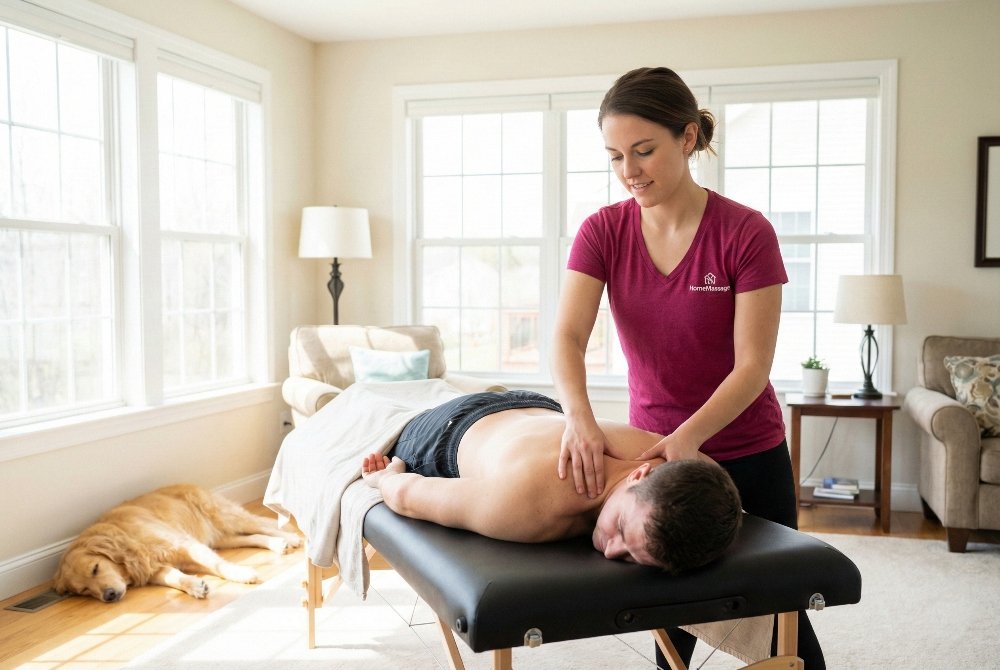
Psoas and Iliacus Muscles
The psoas major originates along lumbar vertebrae T12 to L5 and inserts onto the lesser trochanter of the femur, acting as a primary hip flexor and lumbar spine compressor. Working synergistically with the iliacus within the iliopsoas complex, hypertonicity here pulls directly on the lumbar vertebrae.
These deep anterior core structures respond effectively to non-invasive manual interventions, including:
- Gentle, sustained compression along the medial border of the iliac fossa.
- Slow, assisted passive hip extension stretches.
- Diaphragmatic breathing coordination to release visceral-fascial tension.
- Post-isometric relaxation techniques to restore resting psoas length.
How to Perform Lower Back Therapy
Performing effective lower back therapy requires advanced anatomical understanding, palpation sensitivity, and strict adherence to clinical contraindications. Professional therapists employ structured progressions moving from superficial tissue warming to targeted structural realignment.
Gliding and Kneading Techniques
Effleurage encompasses long, bidirectional gliding strokes directed parallel to paraspinal muscle fibers to stimulate local hyperemia and reduce nervous system reactivity. Therapists initiate strokes with light pressure to assess tissue density before progressively deepening force within client comfort levels.
Petrissage techniques follow warming strokes through structured manual actions:
- Kneading motions that lift, compress, and roll muscle bellies away from bone.
- Fascial rolling to liberate superficial restrictions between the skin and thoracolumbar fascia.
- Rhythmic compressions that optimize venous and lymphatic fluid exchange.
These fundamental techniques desensitize pain receptors, preparing deeper tissue layers for concentrated therapeutic work.
Circular Friction and Thumb Pressure
Cross-fiber circular friction applies focused, multidirectional force perpendicular to muscle grain to break down chronic collagen cross-links and microscopic scar tissue. Concentrated friction around the sacroiliac ligaments and lumbosacral junctions releases stubborn myofascial adhesions.
Ischemic thumb and fingertip pressure deactivates acute neuromuscular trigger points through systematic steps:
- Sustained focal compression maintained for 30 to 60 seconds.
- Gradual pressure titration matching client tolerance on a calibrated 1-to-5 pressure scale.
- Slow, deliberate release to prevent reactive rebound muscle spasms.
- Immediate passive lengthening to reintegrate the treated muscle fibers.
Safety Precautions During Treatment
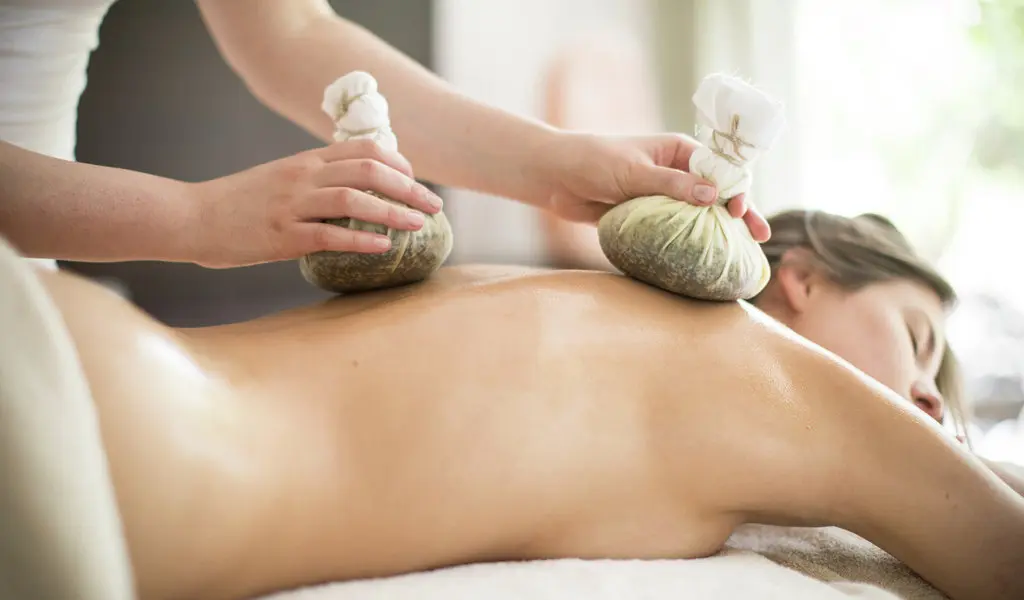
Professional manual therapy demands rigorous adherence to clinical safety boundaries to protect tissue integrity and client well-being. Licensed therapists conduct comprehensive health screenings before every session and observe established clinical guidelines:
- Avoid direct deep manipulation over acute disc herniations, severe inflammation, or localized infections.
- Calibrate pressure downward for clients presenting with osteopenia, osteoporosis, or structural spinal degeneration.
- Modify depth and technique for individuals taking anticoagulant medications to prevent soft-tissue bruising.
- Maintain strict professional boundary protocols and standard therapeutic draping at all times.
- Refer clients to immediate medical care if red-flag symptoms like radiating numbness, leg weakness, or bowel dysfunction appear.
Self-Care Techniques for Lower Back Pain Relief
Self-care techniques provide valuable interim relief and soft-tissue maintenance between professional manual therapy sessions. Consistent home practices sustain muscle pliability and reduce postural tension accumulation throughout the workweek.
Using a Tennis Ball for Trigger Points
Targeted tennis ball therapy applies localized ischemic compression to hypertonic muscle knots across the lumbar and pelvic regions. Leaning against a flat wall with the ball positioned between your body and the wall enables precise control over pressure intensity.
Effective release zones include 3 key anatomical locations:
- The quadratus lumborum muscle belly situated between the lower ribs and pelvic crest.
- The lumbar paraspinal musculature placed 2 to 3 cm lateral to the vertebral spinous processes.
- The upper gluteal attachments along the posterior iliac crest and piriformis area.
Hold static pressure on tender trigger points for 30 to 60 seconds while maintaining deep diaphragmatic breathing. This focused fascial release mirrors protocols utilized in massage for plantar fasciitis to decompress tight connective tissue bands.
Foam Rolling Upper and Lower Back
Foam rolling utilizes bodyweight compression to provide broad myofascial release across expansive posterior muscle groups. Positioning a high-density roller perpendicular to the spine helps release thoracic spinal stiffness, which directly decompresses compensatory lumbar strain.
Execute safe rolling techniques through these key protocols:
- Roll slowly across the thoracic spine (upper and mid-back), avoiding direct hyperextension over the unsupported lumbar lordosis.
- Pause on tight, tender soft-tissue bands for 30 seconds to initiate autogenic fascial inhibition.
- Mobilize the glutes, piriformis, and tensor fasciae latae to alleviate pelvic pull on the lower back.
- Perform gentle active spinal extensions and hamstring stretches immediately following rolling.
When to Book Professional Home Bodywork in NYC
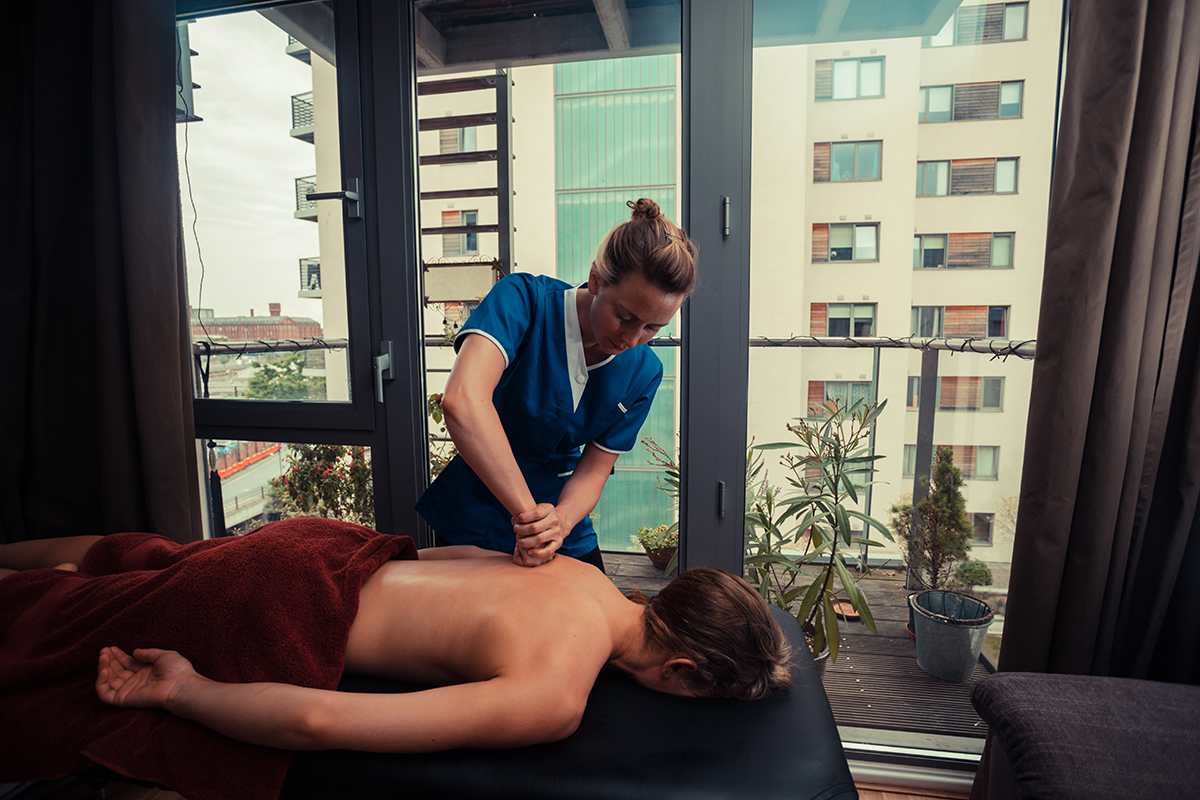
Professional home bodywork becomes essential when self-care techniques, stretching, and ergonomics fail to resolve persistent lumbar discomfort. You should schedule a specialized session if you experience:
- Chronic lumbar pain or stiffness persisting beyond 2 to 3 weeks.
- Recurring acute muscle spasms triggered by prolonged desk work or physical exertion.
- Restricted spinal and pelvic range of motion hindering everyday mobility.
- Sleep disruption caused by persistent soft-tissue aching in bed.
- A physician-recommended recovery plan requiring complementary soft-tissue rehabilitation.
Why Choose HomeMassage for Relief?
HomeMassage delivers licensed in-home therapeutic bodywork directly to your residence, hotel, or office across all 5 boroughs of New York City. Every session is conducted by a New York State Licensed Massage Therapist (LMT) carrying comprehensive liability insurance and professional equipment, including a portable massage table, fresh linens sanitized at 60°C (140°F), and unscented, nut-free massage oils.
How can I book a home massage session in NYC?
You can book your customized session directly at homemassagenyc.com or call +1 (917) 426-9100. Sessions are available 7 days a week from 07:00 to 21:00 across Manhattan, Brooklyn, Queens, The Bronx, and Staten Island, with as little as 3 hours advance notice. HomeMassage operates as a 100% mobile service; the Midtown location functions as an administrative headquarters and training center rather than a public walk-in facility.
HomeMassage
106 W 32nd St, New York, NY 10001, USA
Phone: +1 (917) 426-9100
Email: [email protected]
Website: https://homemassagenyc.com