
Sports massage extends beyond professional athletes. This therapeutic modality provides relief for everyday individuals struggling with tension, stress, and physical discomfort. HomeMassage brings this specialised in home sports massage nyc experience directly to your door, transforming wellness care into a convenient and accessible service.
Modern life creates unique physical challenges. Office workers battle neck strain from computer work. Parents carry stress in their shoulders from daily responsibilities. Active individuals experience stiffness after weekend activities. Sports massage addresses these common concerns through targeted techniques that promote healing and restoration.
What Is Sports Massage and How Does It Work?
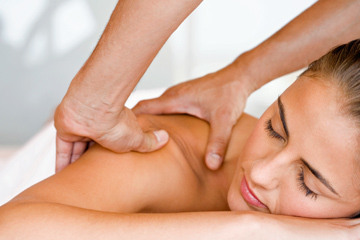
Sports massage represents a specialised form of therapeutic bodywork designed to target muscles, tendons, and ligaments through precise manipulation techniques. Unlike general relaxation massage, this approach focuses on specific areas of tension and dysfunction within the musculoskeletal system.
The technique combines multiple therapeutic methods to achieve optimal results. Deep tissue manipulation releases chronic muscle tension. Trigger point therapy addresses specific areas of discomfort. Joint mobilisation improves range of motion. Assisted stretching enhances flexibility and movement patterns.
Each private massage therapist at HomeMassage utilises evidence-based protocols adapted for non-athletic populations. Each session begins with comprehensive assessment to identify areas requiring attention. Treatment plans incorporate client-specific needs, ensuring maximum therapeutic benefit within comfortable parameters.
The physiological response to sports massage creates immediate, lasting benefits. Increased blood circulation delivers oxygen as well as nutrients to tissues while removing metabolic waste products. Nervous system stimulation promotes relaxation responses. Fascial release improves tissue quality along with movement efficiency.
Top Benefits of Sports Massage Therapy for Everyday Life
Relieving Muscle Tension and Alleviating Chronic Pain
Persistent muscle tension affects millions of New Yorkers. Prolonged sitting creates hip flexor tightness. Repetitive computer use generates upper trapezius strain. Poor sleeping positions contribute to cervical dysfunction. For those seeking back pain relief massage, this modality provides targeted relief through systematic muscle release techniques.
The therapeutic approach addresses tension at multiple tissue layers. Superficial techniques warm muscles plus prepare tissues for deeper work. Intermediate pressure releases fascial restrictions. Deep manipulation targets chronic adhesions in addition to trigger points that generate referred pain patterns.
Research demonstrates significant pain reduction through regular sports massage intervention. Clients typically experience 40-60% improvement in pain levels within three to four sessions. Long-term benefits accumulate through consistent treatment, creating sustainable relief from chronic discomfort.
Improving Flexibility and Range of Motion
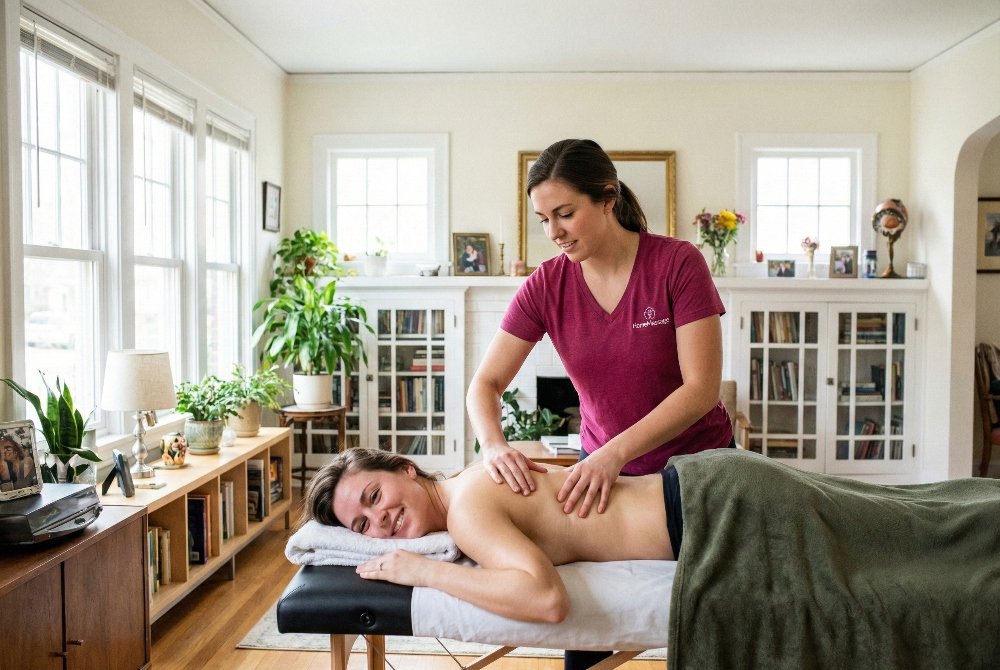
Limited flexibility restricts daily activities also increases injury risk. Sports massage enhances movement capacity through multiple mechanisms. Manual stretching elongates shortened muscle fibres. Fascial release improves tissue gliding. Joint mobilisation restores optimal movement patterns.
HomeMassage therapists incorporate passive, active stretching techniques throughout treatment sessions. Passive stretching allows complete muscle relaxation while achieving maximum elongation. Active stretching engages opposing muscle groups to improve neuromuscular coordination plus movement control.
Flexibility improvements become apparent within initial sessions. Clients report easier movement during daily activities. Reduced stiffness upon waking. Enhanced comfort during prolonged sitting or standing. These benefits compound over time, creating substantial improvements in functional movement capacity.
Boosting Circulation and Reducing Inflammation
Poor circulation contributes to fatigue, swelling, together with delayed healing. Utilising massage for circulation stimulates blood flow through mechanical pressure and rhythmic manipulation. Enhanced circulation delivers fresh oxygen plus nutrients to tissues while accelerating removal of inflammatory byproducts.
The lymphatic system benefits significantly from massage intervention. Gentle pressure promotes lymphatic drainage, reducing tissue swelling as well as inflammation. This process proves particularly beneficial for individuals experiencing chronic inflammatory conditions or post-injury recovery.
Circulatory improvements extend beyond the treatment session. Regular massage maintains enhanced blood flow patterns, supporting ongoing tissue health along with recovery. Clients frequently report increased energy levels plus reduced sensation of heaviness in treated areas.
Enhancing Posture and Body Awareness
Modern lifestyle creates postural imbalances that generate pain also dysfunction. Forward head posture from computer work. Rounded shoulders from prolonged sitting. Anterior pelvic tilt from weak core muscles. Sports massage addresses these imbalances through targeted muscle release plus movement re-education.
Treatment focuses on releasing overactive muscles while facilitating proper movement patterns. Tight chest muscles receive attention to reduce forward shoulder positioning. Hip flexor release allows proper pelvic alignment. Cervical muscle work restores neutral head positioning.
Enhanced body awareness develops through massage intervention. Clients learn to recognise tension patterns as well as postural deviations. This increased awareness enables proactive management of developing problems before they become chronic conditions requiring extensive intervention.
Reducing Stress, Anxiety, and Improving Sleep Quality
Stress manifestation appears physically through muscle tension plus nervous system activation. Sports massage provides effective stress management through multiple pathways. Physical relaxation triggers parasympathetic nervous system activation. Endorphin release creates natural mood enhancement. Reduced muscle tension eliminates physical stress symptoms.
Sleep quality improves through massage-induced relaxation responses. Lower cortisol levels promote natural sleep patterns. Reduced physical discomfort eliminates sleep disruption. Enhanced circulation supports restorative sleep processes essential for recovery along with regeneration.
HomeMassage clients report significant improvements in sleep quality within one to two treatment sessions. Deeper sleep patterns. Reduced time to fall asleep. Fewer nighttime awakenings. These benefits contribute to improved energy levels plus enhanced daily functioning.
Key Techniques Used in Sports Massage by HomeMassage
Deep Tissue Massage and Trigger Point Therapy
Deep tissue massage penetrates multiple muscle layers to address chronic tension patterns. Therapists utilise slow, sustained pressure to access deeper tissues without causing excessive discomfort. This approach proves essential for addressing longstanding muscle dysfunction plus adhesion formation.
Trigger point therapy targets specific areas of muscle hyperactivity that generate local as well as referred pain. These “knots” develop from repetitive stress, poor posture, or previous injury. Precise pressure application deactivates trigger points, providing immediate pain relief plus improved muscle function.
HomeMassage therapists combine these techniques strategically throughout treatment sessions. Initial assessment identifies primary areas requiring attention. Treatment progresses systematically through affected muscle groups, ensuring comprehensive coverage while maintaining client comfort throughout the process.
Joint Mobilisation and Assisted Stretching
Joint mobilisation techniques restore optimal movement patterns through gentle manipulation of joint surfaces. Restricted joint mobility contributes to compensatory movement patterns that generate additional stress on surrounding tissues. Proper joint function eliminates these compensation patterns plus reduces overall system strain.
Assisted stretching enhances flexibility beyond what clients achieve independently. Therapist guidance ensures proper stretch positioning while eliminating protective muscle guarding that limits stretch effectiveness. This approach achieves greater range improvement while reducing injury risk during stretching activities.
Integration of mobilisation along with stretching creates synergistic benefits. Improved joint mobility enhances stretching effectiveness. Enhanced flexibility reduces joint compression forces. This combination provides comprehensive movement restoration essential for optimal function plus comfort.
Myofascial Release and Cross-Friction
Myofascial release addresses restrictions within the fascial network that surrounds as well as connects muscle tissues. Fascial restrictions develop from trauma, inflammation, or repetitive stress patterns. These restrictions limit tissue mobility plus contribute to pain also dysfunction throughout connected areas.
Cross-friction massage targets specific tissue layers through perpendicular pressure application. This technique breaks down scar tissue formation plus promotes proper collagen alignment during healing processes. Cross-friction proves particularly effective for addressing chronic tendon conditions as well as muscle adhesions.
HomeMassage therapists utilise these advanced techniques to address complex tissue restrictions that require specialised intervention. Treatment protocols adapt to individual client presentations, ensuring appropriate technique selection for optimal therapeutic outcomes.
Who Should Consider a HomeMassage Sports Service in NYC?
Office Workers Dealing with Back and Neck Pain
New York City office workers face unique challenges that contribute to musculoskeletal dysfunction. Long commutes create prolonged sitting stress. High-pressure work environments generate tension patterns. Poor workstation ergonomics contribute to postural strain often requiring tech neck treatment to alleviate severe stiffness. Sports massage addresses these specific challenges through targeted intervention.
Treatment focuses on areas most affected by office work demands. Cervical spine muscles receive attention to address forward head posture. Thoracic extensors are strengthened to counteract rounded shoulder positioning. Hip flexors are released to restore proper pelvic alignment after prolonged sitting.
HomeMassage eliminates barriers to treatment that prevent office workers from seeking care. No time lost traveling to appointments. No scheduling conflicts with extended work hours. No concern about professional appearance after treatment. This accessibility ensures consistent care essential for addressing chronic work-related conditions.
Individuals Suffering from Fatigue and Daily Stress
Chronic stress creates physical manifestations that impact quality of life. Elevated cortisol levels promote muscle tension. Poor sleep quality reduces recovery capacity. Anxiety generates protective muscle guarding patterns. Sports massage provides effective intervention for stress-related physical symptoms.
Treatment protocols adapt to address stress-related presentations. Gentle techniques promote relaxation responses. Extended treatment times allow complete nervous system deactivation. Aromatherapy integration enhances stress-reduction benefits. These modifications ensure optimal stress management outcomes.
Regular massage intervention provides cumulative stress reduction benefits. Lower baseline tension levels. Improved stress response resilience. Enhanced recovery from acute stress episodes. These benefits prove essential for maintaining health plus productivity in demanding urban environments.
Those Recovering from Minor Injuries or Stiffness
Minor injuries plus stiffness often receive inadequate treatment attention, leading to chronic problems that impact daily function. Weekend warrior activities create delayed onset muscle soreness. Minor sprains generate compensatory movement patterns. General stiffness from aging reduces activity tolerance.
Sports massage provides appropriate intervention for these common conditions. Early treatment prevents acute problems from becoming chronic conditions. Proper tissue healing promotion reduces scar tissue formation. Movement restoration eliminates compensatory patterns that create secondary problems.
HomeMassage accessibility proves crucial during recovery periods when mobility limitations make travel challenging. Treatment begins immediately following injury occurrence. Consistent intervention supports optimal healing progression. Convenient scheduling accommodates recovery timeline requirements.
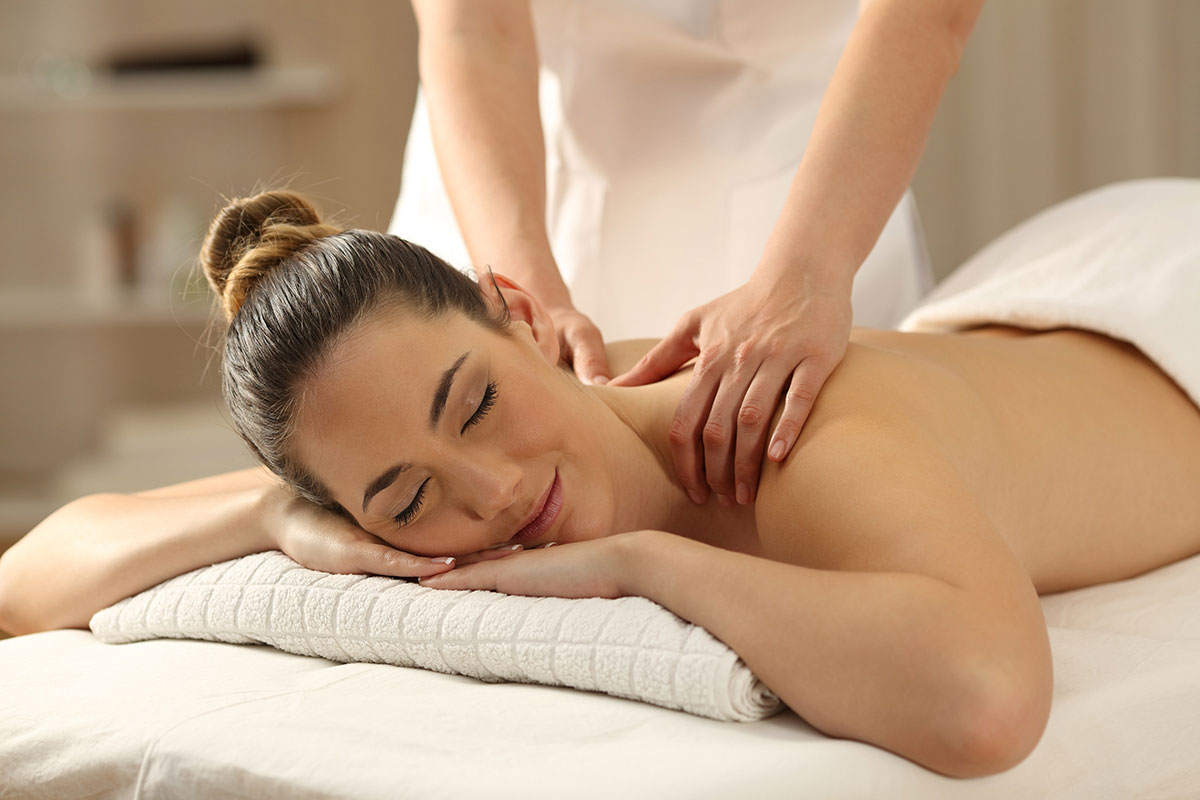
Comparing Sports Massage to Swedish and Deep Tissue Massage Service
Sports massage differs significantly from Swedish plus deep tissue massage approaches in technique application, treatment focus, along with therapeutic outcomes. Understanding the difference sports deep tissue modalities offer helps clients select appropriate treatment for their specific needs plus conditions.
Unlike clinical approaches, classic swedish massage techniques emphasise relaxation plus stress reduction through gentle, flowing strokes. Long, gliding strokes promote circulation plus general tension relief. Kneading movements address superficial muscle tension. Rhythmic techniques encourage nervous system relaxation. This approach suits individuals seeking general wellness maintenance rather than specific problem resolution.
Deep tissue massage targets chronic muscle tension through sustained pressure application to deeper tissue layers. Slower techniques penetrate multiple muscle layers. Higher pressure intensity addresses severe adhesions plus restrictions. Limited stretching integration focuses primarily on muscle release rather than movement enhancement.
Sports massage integrates elements from both approaches while adding specialised techniques for functional improvement. Variable pressure application adapts to tissue requirements. Movement assessment guides treatment planning. Stretching integration enhances flexibility outcomes. This comprehensive approach addresses both immediate symptoms plus underlying dysfunction patterns.
HomeMassage therapists select appropriate techniques based on individual client presentations rather than rigid protocol adherence. Initial assessment determines primary treatment objectives. Technique selection optimises therapeutic outcomes for specific conditions. Treatment adapts throughout sessions based on tissue response plus client feedback.
The integration approach proves particularly beneficial for non-athletes who require symptom relief while maintaining daily function. Pain reduction receives immediate attention. Functional improvement prevents problem recurrence. Movement education supports long-term management strategies.
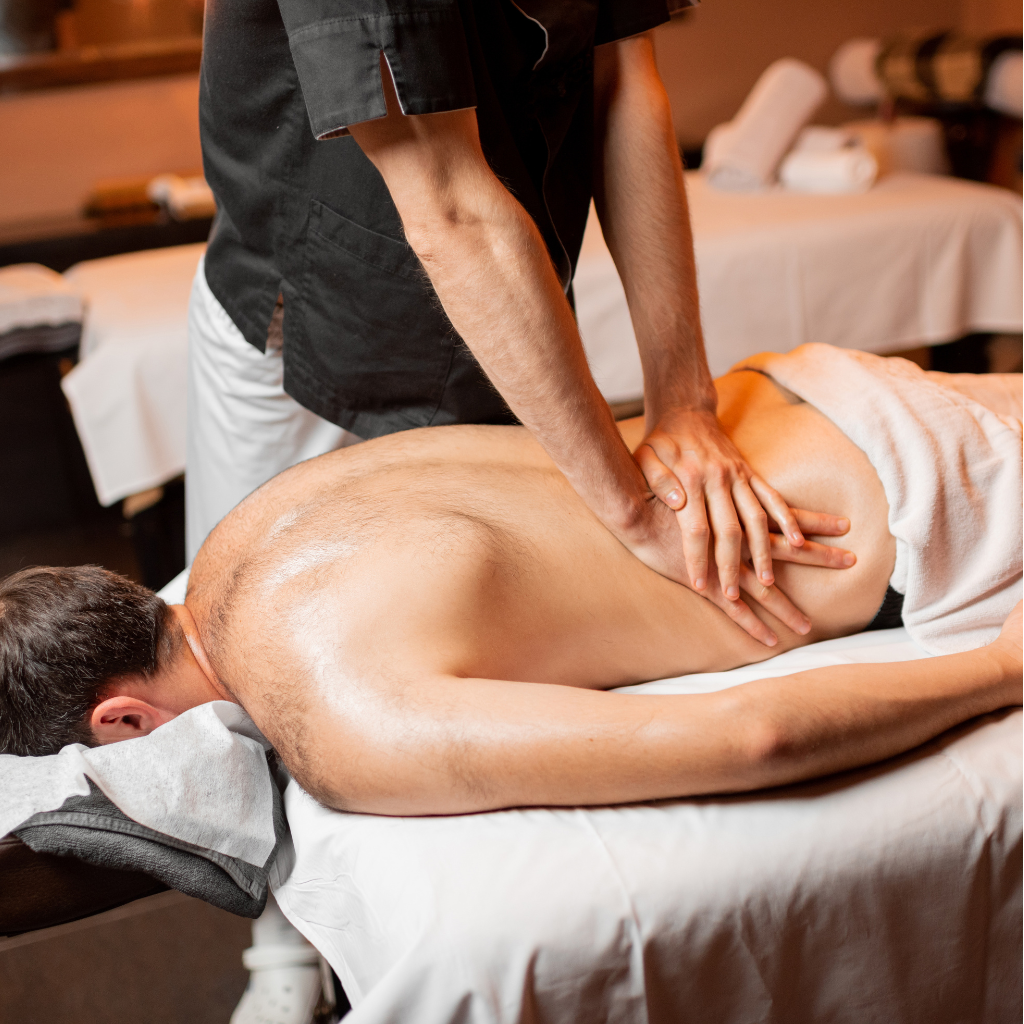
Incorporating Sports Massage into Your Wellness Routine
Successful integration of sports massage into wellness routines requires strategic planning plus realistic expectations. Treatment frequency depends on individual needs, condition severity, along with therapeutic objectives. HomeMassage therapists provide guidance on optimal scheduling for maximum benefit achievement.
Initial treatment phases typically require higher frequency to address acute problems plus establish therapeutic momentum. Weekly sessions provide intensive intervention for chronic conditions. Bi-weekly treatments suit maintenance care for ongoing conditions. Monthly sessions support general wellness maintenance for healthy individuals.
Treatment timing optimisation enhances therapeutic outcomes. Post-workout sessions provide recovery enhancement. Pre-activity treatments prepare tissues for increased demands. Weekend sessions address work week accumulation. Evening appointments promote relaxation plus sleep quality improvement.
Complementary wellness activities amplify massage benefits. Regular stretching maintains flexibility improvements. Strength training addresses muscle imbalances. Stress management techniques support nervous system regulation. Proper hydration enhances circulation plus tissue quality.
HomeMassage convenience eliminates common barriers to consistent care. No travel time requirements. Flexible scheduling accommodates busy lifestyles. Comfortable home environment enhances relaxation responses. Consistent therapist relationships support ongoing assessment plus treatment progression.
Long-term wellness planning incorporates massage as a preventive health measure rather than reactive treatment. Regular maintenance prevents minor issues from developing into major problems. Early intervention addresses developing conditions before significant dysfunction occurs. Ongoing assessment identifies changing needs plus treatment modifications.
Book Your Sports Massage Service at Home in New York City Today
HomeMassage transforms sports massage accessibility for New York City residents through professional in-home service delivery. Licensed therapeutic massage therapists bring expertise directly to your location, eliminating travel time plus scheduling complications that prevent consistent care.
Our comprehensive service portfolio includes specialised sports massage alongside Swedish massage, deep tissue massage, prenatal massage, couples massage, plus chair massage options. This diversity ensures appropriate treatment selection for individual needs plus preferences while maintaining the highest professional standards.
Booking procedures prioritise convenience plus flexibility. Online scheduling accommodates busy lifestyles with 24/7 availability. Same-day appointments address urgent needs. Recurring appointment options ensure consistent care without repeated scheduling efforts. Transparent pricing eliminates surprise costs or hidden fees.
Service areas cover all five boroughs with expanded coverage throughout the greater New York metropolitan area. Manhattan, Brooklyn, Queens, Bronx, plus Staten Island residents enjoy comprehensive coverage. Westchester plus Nassau County locations receive extended service options.
Professional standards exceed industry requirements through rigorous therapist screening plus ongoing education requirements. State licensing verification ensures legal compliance. Background checks provide security assurance. Continuing education maintains current technique proficiency. Client feedback systems support continuous service improvement.
Investment in your health plus wellness through professional sports massage provides immediate relief while supporting long-term vitality. The convenience of in-home service eliminates common barriers to consistent care, ensuring you receive the therapeutic benefits essential for optimal function plus comfort in demanding urban environments.
FAQs
How does sports massage differ from deep tissue massage?
While both modalities address muscle tension, sports massage incorporates active stretching, joint mobilisation, plus specific techniques to enhance performance or recovery. Deep tissue massage focuses primarily on releasing chronic muscle tension through sustained pressure on deeper layers.
Do I need to be an athlete to benefit from sports massage?
No, sports massage benefits anyone experiencing muscle tension, stress, or physical discomfort. It effectively treats issues arising from daily activities, work postures, plus general lifestyle factors, making it suitable for office workers, parents, plus active individuals alike.
How often should I schedule sports massage appointments?
Frequency depends on individual goals plus conditions. For acute issues, weekly sessions might be recommended initially. Maintenance care typically involves bi-weekly or monthly appointments. Your therapist will create a personalised plan based on your specific needs plus response to treatment.
What should I wear during a sports massage session?
You should undress to your comfort level. Most clients undress completely or wear underwear, covered by a sheet or towel. The therapist only uncovers the specific area being treated. For sessions involving active stretching, wearing loose, comfortable shorts might be suggested.
Will sports massage be painful?
Sports massage may involve some discomfort when addressing tight muscles or trigger points, but it should not be painful. Communication with your therapist regarding pressure is essential. The “good pain” sensation often felt indicates effective release of tension, but sharp or unbearable pain should be avoided.
Contact HomeMassage today to schedule your initial consultation plus experience the transformative benefits of professional sports massage therapy in the comfort plus convenience of your own home. Your body deserves expert care that fits seamlessly into your lifestyle while providing the therapeutic outcomes you need to thrive in New York City.
