
Deep tissue therapy targeting deeper muscle layers can cause discomfort, but understanding the difference between therapeutic pressure as well as harmful pain ensures you receive effective treatment. HomeMassage brings professional deep tissue manipulation directly to your New York City location with our mobile massage NYC service.
Should a Deep Tissue Massage Be Painful?
Debunking the Myth of No Pain No Gain in Bodywork
The “no pain, no gain” principle does not apply to therapeutic care. Research from the American Massage Therapy Association indicates that effective deep tissue massage works through targeted pressure, not excessive pain.
Productive wellness therapy operates within your comfort threshold. Pain triggers muscle guarding responses, causing tissues to contract defensively plus counteracting therapeutic benefits. Many people often wonder about deep tissue vs swedish when deciding which intensity level is right for their relaxation needs.

Distinguishing Between Good Discomfort vs. Bad Pain
Therapeutic discomfort feels like:
- Dull, aching sensations in targeted areas
- Temporary pressure that releases muscle knots
- Sensation of “good hurt” that brings relief
Harmful pain presents as:
- Sharp, stabbing sensations
- Pain that increases breathing difficulty
- Discomfort that forces you to tense other muscles
When seeking a massage for knots, it is crucial to tell your therapist if the sensation shifts from a productive “release” to sharp pain.
Communicating Pressure Levels with Your HomeMassage Therapist
Licensed practitioners adjust pressure based on your feedback. Use a 1-10 scale where 7 represents your maximum comfortable intensity.
Our New York State licensed therapists check pressure levels throughout your session. Communicate immediately when sensations exceed your comfort range.
Common Causes of Soreness After a Deep Tissue Session
Breaking Down Muscle Adhesions as well as Scar Tissue
This specialized technique targets fascial adhesions along with scar tissue formations within muscle layers. Manual pressure breaks down restrictive tissue patterns, temporarily releasing metabolic waste products. This is particularly effective as a massage for scar tissue to improve mobility and reduce long-term stiffness.
This process creates mild inflammation as your body initiates tissue repair mechanisms. The soreness resembles post-workout muscle fatigue.

The Body’s Inflammatory Response to Deep Pressure
Therapeutic pressure stimulates increased blood circulation to treated areas. Enhanced circulation delivers oxygen plus nutrients while removing cellular waste products.
Your body releases natural healing compounds including endorphins as well as anti-inflammatory substances. This biological response can produce temporary muscle sensitivity lasting 24-48 hours.
Why You Might Feel Worse Before You Feel Better
Initial sessions may increase soreness as chronically tight muscles adjust to improved circulation patterns. Muscles holding tension for months require time to adapt to increased flexibility.
Subsequent treatments typically produce less post-session soreness as your muscle tissue becomes more responsive to therapeutic intervention.
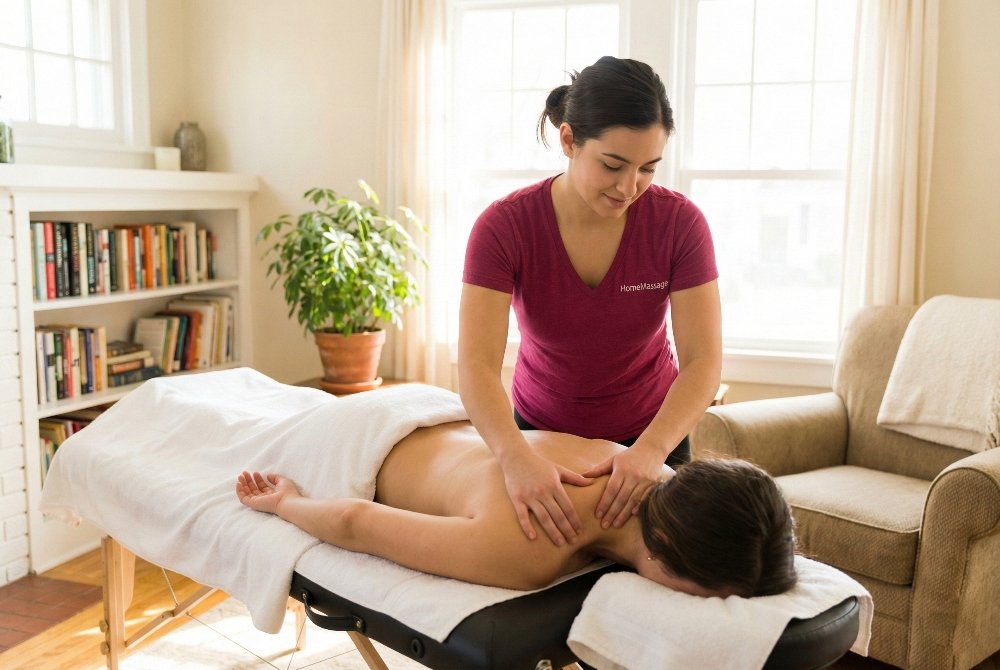
How to Relieve Muscle Soreness After Your HomeMassage Appointment
Importance of Hydration to Flush Metabolic Waste
Drink 16-20 ounces of water within 2 hours following treatment. Proper hydration supports lymphatic drainage plus metabolic waste removal from treated tissues.
Avoid alcohol along with caffeine for 4-6 hours post-treatment as these substances can impair natural detoxification processes.
Using Heat Therapy plus Gentle Stretching for Recovery
Apply warm compresses to sore areas for 15-20 minutes. Heat therapy increases circulation while reducing muscle stiffness.
Perform gentle stretching movements targeting treated muscle groups. Light movement prevents tissue adhesion reformation plus maintains improved flexibility.
When to Avoid Intense Exercise After Treatment
Avoid strenuous physical activity for 24 hours following deep tissue sessions. Intense exercise can overwhelm already stimulated muscle tissue.
Light walking plus basic daily activities support circulation without stressing treated areas. Resume normal exercise intensity after initial recovery period.
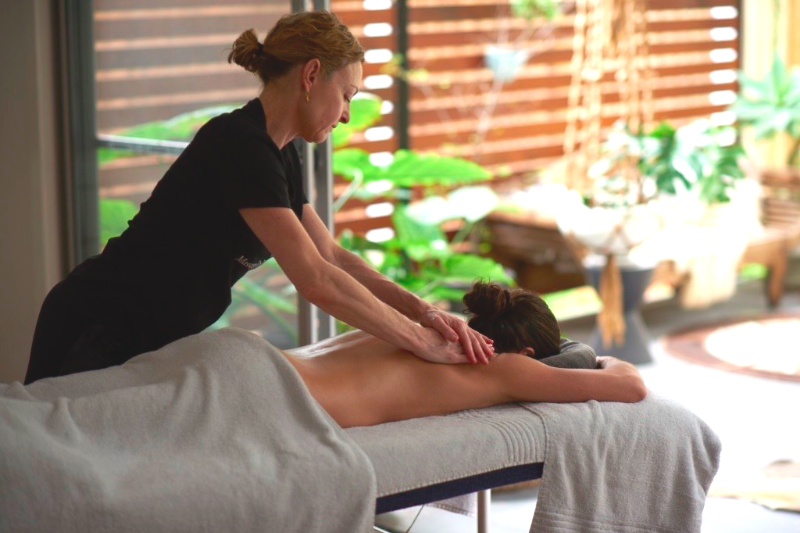
Is Deep Tissue Right for You? Comparing Therapeutic Approaches
Differences Between Swedish Modalities and Deep Tissue
Swedish styles utilize long, flowing strokes with lighter pressure targeting superficial muscle layers. Deep tissue work employs focused pressure techniques reaching deeper fascial layers.
Swedish sessions promote general relaxation through gentle manipulation. Deep tissue therapy addresses specific muscle dysfunction plus chronic tension patterns.
When to Choose Sports Therapy or Prenatal Care Instead
Sports therapy incorporates stretching techniques while targeting athletic performance enhancement. It is helpful to understand the difference sports deep tissue modalities offer when choosing the best treatment for injury prevention.
Prenatal care adapts pressure along with positioning for pregnancy safety requirements. Expectant mothers require specialized techniques avoiding deep abdominal pressure.
Benefits of Chair Bodywork for Lighter Pressure Needs
Seated therapy provides accessible therapeutic touch without requiring undressing or oil application. Sessions typically last 15-30 minutes focusing on neck, shoulders, plus back.
Chair sessions suit office environments as well as individuals preferring lighter pressure approaches. This modality reduces stress without intensive muscle manipulation.
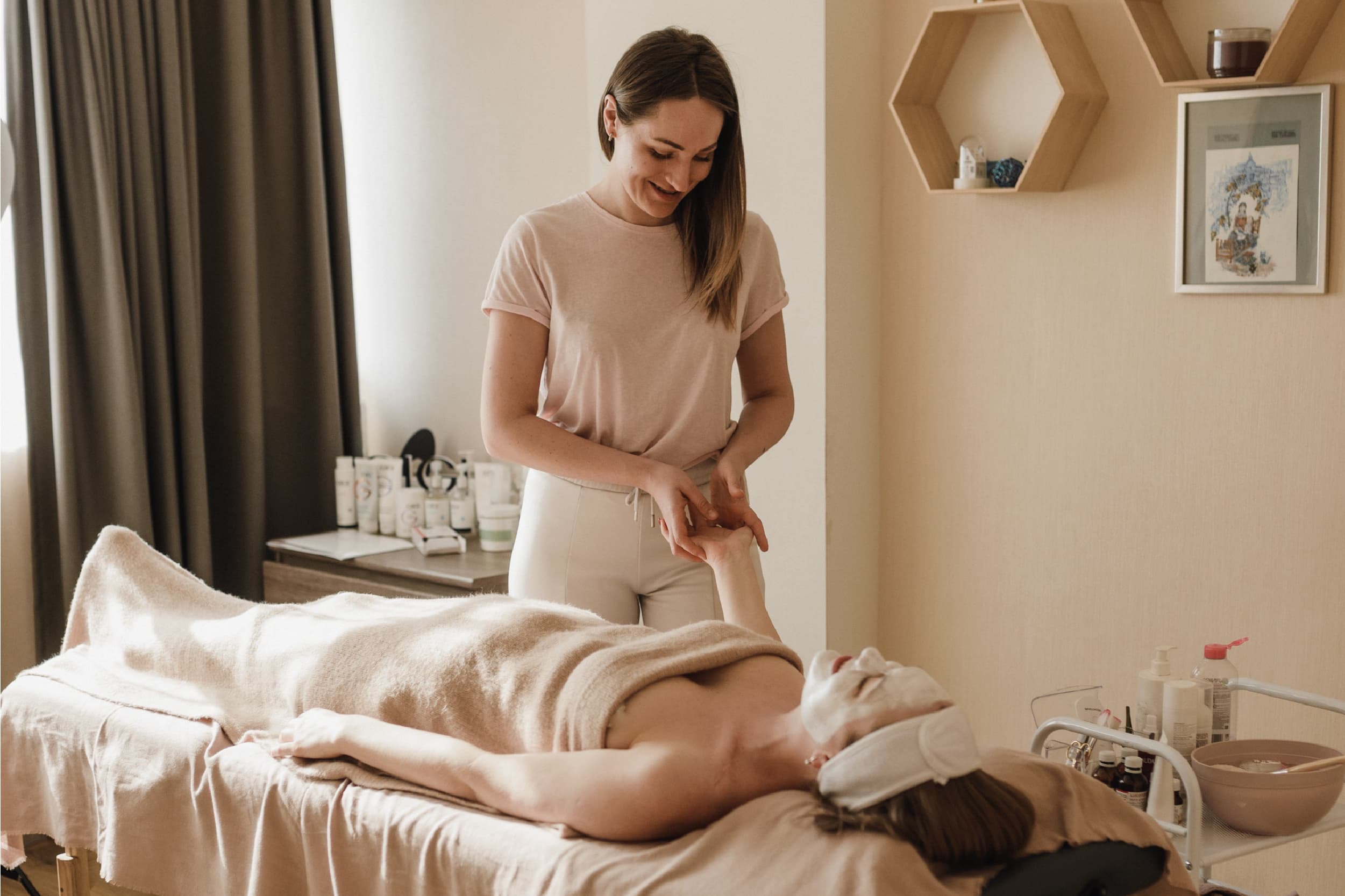
Experience Professional In-Home Bodywork in New York City with HomeMassage
HomeMassage delivers licensed therapeutic treatments directly to your Manhattan, Brooklyn, or Queens location. Our certified therapists bring professional equipment including treatment tables, organic oils, and sound systems. If you are looking for the best in home deep tissue massage nyc, we provide a personalized experience tailored to your wellness goals.
Schedule your deep tissue massage session with confidence knowing our therapists prioritize your comfort plus therapeutic goals. Contact HomeMassage today to experience effective manual therapy in the privacy of your home.

FAQ: Understanding Deep Tissue Massage Pain
How long should soreness last after deep tissue massage?
Post-treatment soreness typically resolves within 24 to 48 hours. This mild stiffness, which resembles post-exercise fatigue, indicates the therapy is working. However, you should contact your practitioner if pain persists beyond 3 days or intensifies over time.
Can I request lighter pressure during my session?
Yes, therapeutic effectiveness does not require enduring pain. You should strictly communicate pressure preferences to your practitioner throughout the appointment. Professional therapists will adjust techniques based on your comfort level while maintaining treatment efficacy.
What should I avoid after a deep tissue massage?
You should avoid alcohol, intense exercise, plus hot baths immediately following your session. These activities can overwhelm your body’s natural healing response, potentially increasing soreness. Instead, focus on gentle movement, hydration, as well as rest for optimal recovery.
